Paris by Night
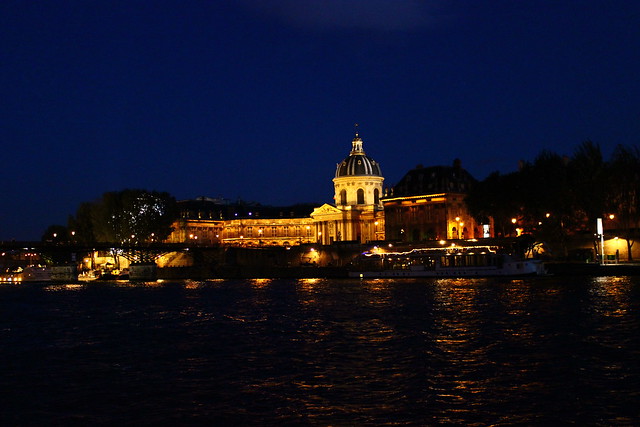
You’ve spent the day admiring the Louvre’s masterpieces, perhaps strolled through the Tuileries Garden, and now dusk begins to settle over the City of Lights. Paris by night transforms into something magical, but planning your nocturnal adventures requires a different approach than your daytime sightseeing. It’s not just about what to see, but how to get there, how to secure your spot, and how to make the most of those illuminated monuments.
This guide cuts through the noise, giving you the exact steps and considerations for booking your ideal Paris evening in 2026. We’ll cover everything from transportation to dinner, ensuring you spend less time stressing and more time soaking in the Parisian glow.
Avoiding Common Mistakes for Evening Plans
Many travelers arrive in Paris ready for a spontaneous evening, only to find themselves disappointed. Planning ahead, even for just a few key activities, saves time and prevents frustration. Missing out on a desired experience because it’s sold out or transport has stopped is a common scenario we want you to avoid.
Overlooking Advance Bookings
The most sought-after Paris night experiences—cabaret shows, Eiffel Tower summit tickets, and popular dinner cruises—sell out weeks, sometimes months, in advance. For example, a prime slot for the Eiffel Tower summit at sunset or after dark often requires booking 2-3 months ahead, especially during peak season (June-August) or around holidays. Cabaret venues like the Moulin Rouge or Lido de Paris fill quickly; securing tickets at least 4-6 weeks out is essential, and often earlier for weekend performances. Don’t show up expecting to buy a ticket at the door for these high-demand attractions.
Underestimating Travel Time and Metro Closures
Paris’s efficient Métro system is your best friend during the day, but it operates on a strict schedule. Weekdays, the last trains typically run around 12:45 AM. On Fridays and Saturdays, and evenings before public holidays, service extends slightly to around 1:45 AM. If your evening plans run past these times, you need an alternative. Relying solely on the Métro can leave you stranded or facing an unexpected, costly taxi ride back to your accommodation. Always check your return journey times using the RATP app (free on iOS/Android) before heading out.
Ignoring Dress Codes
Parisian nightlife, particularly for upscale dining, cabaret shows, and some bars, often has dress codes. For a show at the Moulin Rouge or Lido, smart casual attire is the minimum. This usually means no shorts, flip-flops, athletic wear, or ripped jeans. Men might need a collared shirt; jackets are often recommended but not always mandatory. For high-end restaurants, dress codes can be stricter, sometimes requiring a jacket for men. Always check the venue’s website or booking confirmation for specific requirements to avoid being turned away at the door.
Choosing Your Paris Night Tour: Options & Booking Steps
Exploring Paris after dark often means seeing iconic landmarks illuminated, revealing a different, romantic side of the city. There are several tour formats available, each offering a unique perspective. Deciding which one is right for you depends on your interests, budget, and desired comfort level.
-
Identify Your Interests:
- Do you want panoramic views from a moving vehicle, or a more intimate experience on the water?
- Are you looking for historical commentary, or simply to enjoy the ambiance?
- Is a seated dinner part of your ideal tour, or just sightseeing?
-
Compare Tour Providers:
- River Cruises: Companies like Bateaux Mouches, Bateaux Parisiens, and Vedettes du Pont Neuf offer hour-long cruises along the Seine, passing by the Eiffel Tower, Notre Dame, and the Louvre. Some offer dinner options. Expect prices for a basic cruise to be around €15-€20 per person in 2026. Dinner cruises start from around €80-€100 per person.
- Panoramic Bus Tours: Open-top bus tours, such as the Tootbus Night Tour (formerly L’Open Tour), provide a broader perspective of the city, covering more ground than a river cruise. They offer audio commentary in multiple languages. Prices for a night bus tour are typically €30-€40 per person.
- Walking Tours: For a more immersive experience, guided walking tours focus on specific neighborhoods like Montmartre or the Latin Quarter. These are generally less expensive, starting around €20-€35, and offer a deeper dive into local history and culture. Look for companies like Fat Tire Tours or local independent guides.
-
Check Schedules and Prices for 2026:
- Tour schedules vary by season. During summer, tours run more frequently and later into the evening. In winter, options might be fewer.
- Always verify the exact departure times and locations. Some tours offer flexible tickets, while others require a specific time slot.
- Prices for 2026 are expected to be marginally higher than previous years due to general inflation and increased operational costs.
-
Book Directly or Through Reputable Platforms:
- For the best prices and clearest communication, booking directly through the official websites of companies like Bateaux Mouches or Tootbus is often recommended.
- Alternatively, reputable online travel agencies such as GetYourGuide or Viator offer a range of tours and often provide customer reviews, which can be helpful in selecting the best option. Ensure these platforms offer flexible cancellation policies.
River Cruises vs. Panoramic Bus Tours: A Comparison
When it comes to seeing Paris illuminated, the choice often narrows down to two popular options: gliding along the Seine on a river cruise or taking in the city’s grandeur from an open-top bus. Each offers a distinct experience, appealing to different preferences.
| Aspect | River Cruise (e.g., Bateaux Mouches) | Panoramic Bus Tour (e.g., Tootbus Night Tour) |
|---|---|---|
| Views | Iconic landmarks from water level (Eiffel Tower, Notre Dame, Louvre). | Broader cityscapes, wider streets, more diverse neighborhoods. |
| Comfort | Seated, enclosed or open-air options, smooth ride. Can be chilly on open decks. | Seated, open-top deck for best views, can be windy. Enclosed lower deck. |
| Duration | Typically 1 hour for basic sightseeing. Dinner cruises 2-3 hours. | Approximately 1.5 – 2 hours. |
| Route | Focuses on Seine riverbanks and bridges. Limited coverage beyond immediate riverside. | Extensive route covering major avenues, Champs-Élysées, Arc de Triomphe, more. |
| Price Range (2026 est.) | Basic: €15-€20. Dinner Cruise: €80-€200+. | €30-€40. |
Deciding Between Water and Wheels
For an intimate, quintessential Parisian experience with direct views of the riverside architecture and the illuminated Eiffel Tower sparkling on the hour, a river cruise is the clear winner. The gentle sway of the boat and the proximity to the water create a truly romantic atmosphere. However, if you prefer to cover more ground, see a wider variety of landmarks beyond the Seine, and gain a broader understanding of Paris’s layout, a panoramic bus tour provides that expansive perspective. Consider your priorities: closer river views or a wider city sweep.
Securing Dinner Reservations: Best Value Options
For the best balance of authentic Parisian atmosphere and value, prioritize bistros in the Marais, Saint-Germain-des-Prés, or the Latin Quarter. These neighborhoods offer a high concentration of charming, well-regarded restaurants that serve classic French cuisine without the exorbitant prices often found near major tourist sites. Expect to pay €30-€50 per person for a two-course meal, excluding drinks, in 2026. Always book at least 24-48 hours in advance, especially for popular spots on weekends.
Navigating Paris Metro After Dark
Mastering Paris’s public transport system at night is crucial for independence and safety. While the Métro is incredibly efficient during the day, its operational hours become a key factor in your evening planning. Understanding your options for late-night travel will prevent costly taxi fares or long walks.
The Paris Métro typically runs until about 12:45 AM on weekdays (Sunday to Thursday) and extends to roughly 1:45 AM on Friday and Saturday nights, as well as on evenings before public holidays. These times refer to the last train departure from the line’s terminus. This means if you are several stops away from the end of the line, you might need to catch your train even earlier. Always confirm the last train times for your specific line and direction using the official RATP app, which is free to download on both iOS and Android devices. It provides real-time schedules, journey planners, and updates on service disruptions.
Once the Métro closes, your primary public transport option becomes the Noctilien bus network. This extensive system of night buses operates roughly from 12:30 AM to 5:30 AM, taking over many of the Métro lines’ routes and extending further into the suburbs. Noctilien buses depart from major hubs like Châtelet, Gare de l’Est, and Gare Saint-Lazare. Identifying your specific Noctilien route in advance is critical. The RATP app includes Noctilien schedules and route maps. Remember that bus travel takes longer than the Métro, and some routes might require transfers. A standard Paris ticket (t+) or Navigo pass is valid on Noctilien buses.
For door-to-door convenience, especially after the Métro and Noctilien schedules become less frequent, reliable taxi and ride-share apps are your best bet. Official Parisian taxis are identifiable by their “Taxi Parisien” roof sign and generally adhere to fixed rates for airport transfers, though standard meter rates apply for city journeys. The two main taxi apps are G7 Taxis and FREENOW (which also aggregates regular taxis). These allow you to book and pay via the app, providing transparency on fares. Expect a 15-20 minute ride across central Paris to cost between €15 and €30, depending on distance and time of night. While Uber operates in Paris, G7 and FREENOW often integrate with the licensed taxi fleet, which can sometimes mean quicker availability and more regulated pricing, particularly during peak late-night hours. Always ensure you are getting into a legitimate taxi or a ride-share vehicle matching your app’s details.
Understanding Last Train Times
The absolute latest you can catch a Métro train on a weekend night is often around 1:45 AM. If your destination is far from a major Métro hub, consider planning to leave your venue by 1:00 AM to give yourself ample time to reach the station and transfer if necessary. Missing the last train can add €20-€40 to your evening’s cost for a taxi, depending on distance.
Using Noctilien Bus Routes
Familiarize yourself with the Noctilien network map before you need it. Look for the ‘N’ prefixed route numbers (e.g., N01, N12). Many central Noctilien lines operate every 10-30 minutes, but those serving the outer districts can be less frequent. Bus stops are marked with a blue sign featuring a white owl logo. Always hail the bus clearly to signal you wish to board.
Reliable Taxi and Ride-Share Apps
Before your trip, download and set up accounts for G7 Taxis and FREENOW. Link your payment method. This saves crucial time when you’re tired and need a ride quickly. Note that surge pricing can apply to ride-share services during high-demand times, such as when bars close or after major events, potentially increasing fares significantly.
Essential Gear for Capturing Night Paris
Don’t rely solely on your phone; dedicated gear makes a huge difference in capturing the true magic of Paris at night. While smartphone cameras have improved, they still struggle with the complex lighting scenarios of cityscapes after dark. Investing in a few key items will elevate your photos from tourist snapshots to genuinely stunning memories.
What camera settings are best for low light?
For capturing the illuminated monuments, you’ll want to prioritize getting enough light into your camera while keeping the image sharp. This usually means setting your camera to Manual (M) or Shutter Priority (Tv/S) mode. Start with a low ISO (e.g., 100 or 200) to minimize digital noise. Use a wider aperture (lower f-number like f/2.8 or f/4) if you’re shooting handheld, or a narrower aperture (f/8 to f/11) if using a tripod for greater depth of field. Your shutter speed will be the most variable setting; it could range from 1/30th of a second (handheld, risky) to several seconds (on a tripod). Experiment. For example, a 5-second exposure at ISO 100 and f/8 will render the Eiffel Tower’s lights beautifully.
Do I need a tripod?
Yes, you absolutely need a tripod for truly sharp night photos. Any shutter speed slower than 1/60th of a second introduces camera shake when handheld, leading to blurry images. For capturing the sparkling Eiffel Tower or the detailed architecture of Notre Dame at night, you’ll need exposures of several seconds. A compact, lightweight travel tripod like the Joby GorillaPod 3K Kit (around €60-€80) is an excellent choice. Its flexible legs allow you to mount it on railings, benches, or uneven surfaces, making it versatile for urban photography. Even a small, tabletop tripod can make a significant difference for still shots.
What about extra batteries?
Cold weather, long exposures, and continuous shooting drain camera batteries quickly. Always carry at least one fully charged spare battery for your camera. If you’re relying on your smartphone for photos, a high-capacity portable power bank (e.g., Anker PowerCore 10000mAh for around €30-€40) is essential. Cold temperatures significantly reduce battery life, so keep your spare batteries or power bank in an inside pocket close to your body heat until needed.
Planning for Spontaneous Evenings: Jazz Clubs and Bars
Some of Paris’s best night experiences are found off the main tourist trail, often discovered spontaneously. While booking major shows is vital, leaving room for improvisation can lead to truly memorable evenings, especially in Paris’s vibrant bar and live music scene.
Finding Live Music Venues
Paris has a rich history of jazz, particularly in the Saint-Germain-des-Prés and Latin Quarter areas. Many small clubs host live performances nightly. Look for signs outside places like Caveau de la Huchette or Le Duc des Lombards. For rock, pop, or electronic music, venues range from intimate bars to larger concert halls in areas like Pigalle or Bastille. Websites like Time Out Paris or local listings in French publications (e.g., Pariscope online) are excellent resources for finding current schedules and lesser-known spots. Simply searching "jazz club Paris tonight" on your phone can also yield immediate results with reviews and directions.
Budgeting for Drinks and Cover Charges
Prices for drinks in Parisian bars and clubs vary widely. Expect to pay around €8-€15 for a glass of wine or a beer, and €12-€20 for cocktails, especially in trendier areas or hotel bars. Happy hour deals (often 5 PM to 8 PM) can significantly reduce these costs. Many jazz clubs and live music venues have a cover charge, typically ranging from €10-€25 per person, which may or may not include a first drink. Some places might have a minimum drink spend once inside. Always check for cover charges before entering, which are usually displayed clearly at the door.