
Best Jet Lag Remedies Reviewed for Australia Long-Haul Travel 2026
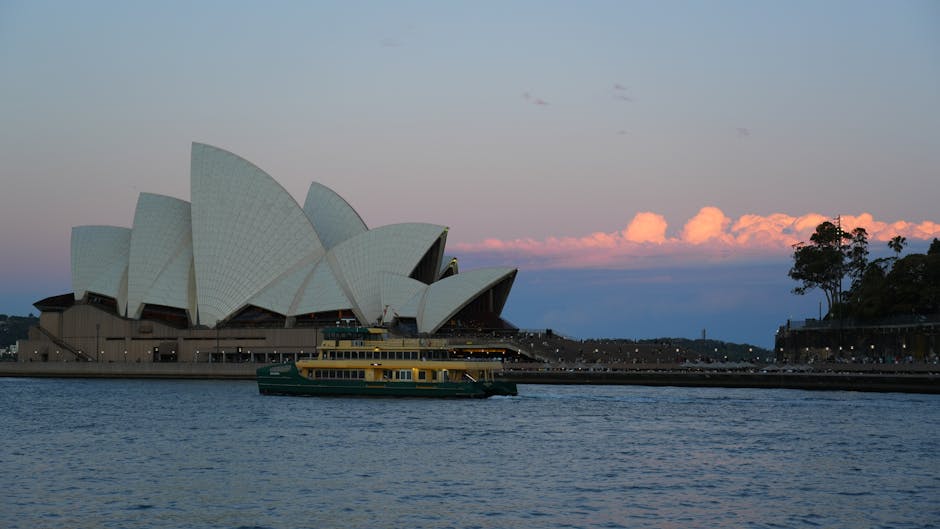
You are standing at the baggage carousel in Sydney’s Kingsford Smith Airport. It is 7:00 AM. Outside, the Australian sun is aggressively bright, but your brain is firmly convinced it is 10:00 PM in London or New York. Your eyelids feel like they have lead weights attached to them, and your stomach is demanding a full dinner instead of the avocado toast everyone else is eating. This is the brutal reality of the ‘Kangaroo Route’ or any trans-Pacific trek. I have done this flight more times than I can count, and I have learned that beating jet lag isn’t about one magic pill; it’s about a coordinated strike against your own biology.
Most people just ‘tough it out,’ which usually means wasting the first four days of a hard-earned holiday in a semi-comatose state. I decided years ago that my time was too expensive for that. I started testing every remedy, gadget, and supplement on the market. Some were absolute snake oil, while others actually made the transition to Australian Eastern Standard Time (AEST) manageable. If you are preparing for a 20-hour stint in a pressurized metal tube, you need a plan that actually works when you hit the ground in Perth, Melbourne, or Brisbane.
Which melatonin supplements actually work for long-haul flights?
Melatonin is the most discussed jet lag remedy, but most travelers use it incorrectly. It is not a heavy-duty sedative; it is a signal to your brain that the sun has gone down. When you are flying across ten time zones to reach Australia, your natural signaling is completely haywire. I have tested various forms, from standard pills to fast-dissolve strips, and the delivery method matters more than you might think when you are dehydrated at 35,000 feet.
Natrol Melatonin Fast Dissolve (5mg)
This has been my go-to for the last three trips to Sydney. You can find these at most major retailers for around $12 to $15 for a 90-count bottle. The advantage here is that you don’t need water to take them, which is a blessing when your tray table is stowed or you’re trapped in a window seat. The strawberry flavor is tolerable, and they kick in within about 20 minutes. Pro: Extremely affordable and fast-acting. Con: 5mg is a high dose for some; it can lead to vivid, occasionally strange dreams if you aren’t used to it.
Vicks ZzzQuil Pure Zzzs Melatonin Gummies
If you prefer something less clinical, these gummies are a popular retail option, usually priced around $16. They include a blend of chamomile and lavender. I found these helpful for the night after arrival rather than during the flight itself. The lower melatonin dose (2mg per serving) makes it easier to titrate. Pro: Gentle onset and no morning grogginess. Con: Bulky packaging takes up precious carry-on space, and the sugar content isn’t ideal right before sleep.
The trick with melatonin is timing. If you take it when your body thinks it’s morning, you’ll just feel depressed and sluggish. I use it to anchor my new bedtime once I land in Australia. Taking 3mg at 9:00 PM local Sydney time for the first three nights is usually enough to force my internal clock to reset. Don’t expect it to knock you out in the middle of a noisy economy cabin; it simply doesn’t have that kind of power.
Light therapy glasses vs. mobile apps: Do they fix your circadian rhythm?
Light is the most powerful tool for resetting your internal clock. The problem is that on a flight to Australia, the cabin lights are often on when you should be in darkness, and vice versa. I’ve moved away from just relying on the sun and started using tech to control my light exposure. This is where the real science of jet lag recovery happens.
Luminette 3 Light Therapy Glasses
These look like something out of a low-budget sci-fi movie, but they are effective. Priced at approximately $199, they sit above your eyes and shine a specific wavelength of blue-enriched white light into your lower retina. I wear these for 20 minutes while having my first coffee in Australia. It tells my brain, ‘The day has started, stop producing melatonin.’ Pro: You can wear them over your regular glasses and keep moving. Con: They are expensive and you will look ridiculous in a hotel breakfast room.
Timeshifter – The Jet Lag App
If you don’t want to carry extra hardware, this app is the gold standard. It was developed by circadian neuroscientists and creates a personalized plan based on your sleep pattern and flight itinerary. The first ‘plan’ is usually free, and then it’s about $25 a year. It tells you exactly when to seek light, when to avoid it, and when to take melatonin. Pro: Highly customized and scientifically backed. Con: Requires discipline to follow the prompts, especially the ‘avoid light’ phases which require high-quality sunglasses indoors.
I’ve found that combining Timeshifter with a pair of light therapy glasses is the most effective way to kill the ‘afternoon slump’ that hits around 2:00 PM in Melbourne. Instead of napping—which is the ultimate sin of the jet-lagged traveler—I put on the glasses and force my brain into ‘day mode.’ It’s uncomfortable for a moment, but it beats waking up at 3:00 AM wide awake and hungry.
Comparing compression socks and hydration tablets for mid-flight recovery
Jet lag isn’t just about sleep; it’s about physical systemic shock. The air in a Boeing 787 or Airbus A350 is notoriously dry, and sitting for 14 hours straight causes fluid to pool in your lower extremities. If you land with ‘canker’ (calf-ankles), you are going to feel more fatigued regardless of how much you slept. I’ve tested several retail options to see what keeps the blood moving and the cells hydrated.
Physix Gear Stamina Compression Socks
Available for around $18 on various retail sites, these provide 20-30 mmHg of pressure. I noticed a significant difference in my energy levels upon landing in Perth when wearing these versus standard socks. My legs felt ‘light’ rather than heavy and throbbing. Pro: Durable and don’t lose their elasticity after multiple washes. Con: They are a struggle to get on in a cramped airplane bathroom.
Nuun Sport Electrolyte Tablets
Forget the sugary ginger ale the flight attendants offer. I carry a tube of Nuun (approx. $7 for 10 tablets). Dropping one of these into my water bottle every four hours prevents the dehydration-induced headache that often gets mistaken for jet lag. Pro: Contains magnesium which helps with muscle relaxation. Con: Some people find the effervescent texture slightly chalky.
| Product | Type | Price (Approx) | Key Benefit | Main Drawback |
|---|---|---|---|---|
| Physix Gear Socks | Compression | $18 | Reduces swelling/fatigue | Difficult to put on |
| Nuun Tablets | Hydration | $7 | Prevents headaches | Chalky taste |
| Liquid I.V. | Hydration | $25 (16pk) | High electrolyte count | High sugar content |
Hydration is the foundation of any recovery. If you are dehydrated, your body cannot efficiently process the hormones required to shift your circadian rhythm. I make it a rule to drink 500ml of water with an electrolyte tablet for every 4 hours of flight time. It means more trips to the bathroom, but that movement is actually good for preventing blood clots and keeping your joints from seizing up.
The role of noise-canceling tech and sleep aids in preventing jet lag
You cannot recover from jet lag if you arrive at your destination in a state of total sensory exhaustion. The constant drone of jet engines is a low-level stressor that keeps your cortisol levels spiked. To give your brain a fighting chance, you need to create a sensory vacuum. I have spent a lot of money testing headphones, and for the long haul to Australia, two models stand out above the rest.
Bose QuietComfort Ultra Headphones
These are currently retailing for about $429. The noise cancellation is, in my experience, the best in the industry. When I put these on over the Pacific, the roar of the engines literally vanishes, allowing my nervous system to finally relax. Pro: Unbeatable comfort for 15+ hours of wear. Con: They are expensive and the case is somewhat bulky.
Sony WH-1000XM5
A close competitor to Bose, usually priced around $398. The Sony ‘Speak-to-Chat’ feature is handy, but for pure sleep, I find the headband slightly less comfortable than the Bose. However, the battery life is superior, easily lasting the entire journey to Australia without a charge. Pro: Incredible sound quality and long battery. Con: They don’t fold as compactly as previous models.
I also recommend a high-quality eye mask. Don’t use the flimsy ones they give you in the amenity kit. I use the Manta Sleep Mask (approx. $35), which has deep cups so your eyelids can move during REM sleep. It provides 100% blackout, which is essential when your neighbor decides to read with their overhead light on for six hours. Combining a blackout mask with noise-canceling headphones creates a ‘sleep pod’ environment that is the closest thing you’ll get to a real bed in economy.
Managing the Day Zero crash upon arrival in Australia
The first 24 hours in Australia are the most critical. If you land at 6:00 AM and go straight to your hotel to sleep, you have already lost the battle. Your body will think the nap is the ‘main sleep,’ and you will be wide awake at midnight. My strategy is a mix of tactical caffeine and forced activity. This is where your prep pays off.
First, I never book a hotel that doesn’t allow for early check-in or at least a place to shower. A hot shower is a psychological reset. After that, I head straight for a park. In Sydney, I go to the Royal Botanic Garden. The combination of physical movement and direct sunlight hits the ‘reset’ button on your brain better than any supplement. I aim for at least two hours of outdoor time before noon.
Caffeine management is the next pillar. I use a ‘caffeine cutoff’ of 2:00 PM local time. If I have a flat white at 4:00 PM to stay awake, I won’t be able to sleep at 9:00 PM, and the cycle continues. If you’re struggling, try a high-protein lunch. Avoid the heavy pastas or Aussie meat pies until your digestion has caught up with the time zone. Your gut has its own circadian clock, and ‘metabolic jet lag’ is a real phenomenon that causes that bloated, uneasy feeling.
The biggest mistake travelers make is staying indoors. Your eyes need to register the specific lux levels of the Australian sun to suppress melatonin production. Even if it’s cloudy, get outside.
Tech and financial tools to streamline the recovery process

Finally, let’s talk about the logistics that reduce the stress that exacerbates jet lag. Nothing makes jet lag worse than landing in a foreign country and struggling with your phone or your bank card. I’ve learned to automate as much as possible so I can function on ‘zombie mode’ if necessary. This involves having your tech and finances sorted before you touch down at Tullamarine or Brisbane Airport.
Staying Connected: Telecom and Roaming
I always ensure my roaming is sorted or I have an eSIM ready to go. Using a provider like those found through Awin’s telecom partners can save you from the ‘airport SIM card’ scramble. Having data the second you land means you can call an Uber or check Google Maps without thinking. It removes a layer of cognitive load that a jet-lagged brain simply cannot handle. I personally use an eSIM for Australia because it’s instant and cheaper than standard roaming fees from home.
Financial Fluidity: Travel Cards
I use a dedicated travel card for all my Aussie expenses. Whether it’s a card from a finance partner like those on Awin or a specialized travel debit card, the goal is to avoid ‘transaction anxiety.’ Knowing I’m getting the best exchange rate for that emergency 3:00 PM espresso helps. It also makes it easier to track spending when you’re too tired to do mental math. I recommend a card that offers no foreign transaction fees and has a solid mobile app for instant freezing if you happen to leave your wallet at a cafe in your sleep-deprived haze.
In summary, surviving the trip to Australia is about layers. You need the melatonin for the night, the light therapy for the morning, the compression and hydration for the flight, and the tech to keep the world at bay. It’s an investment in your time. By spending a little on the right remedies, you ensure that when you finally see the Sydney Opera House or the Great Barrier Reef, you’re actually awake enough to remember it. The ‘perfect’ remedy is the one you actually use consistently from the moment you board the plane until your third morning in the Land Down Under.




0