Jordan: Middle Eastern Luxury at the Four Seasons
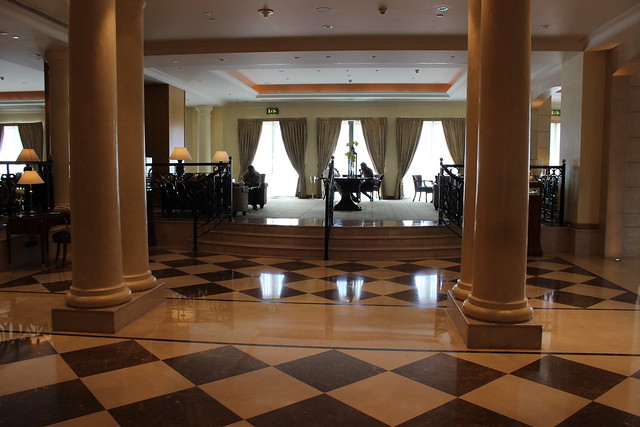
Is the Four Seasons Amman actually worth $400 a night when Petra is still a three-hour drive away?
That’s the real question most travelers are wrestling with when they start planning a Jordan trip at the luxury tier. Jordan has become one of the Middle East’s most genuinely compelling destinations — a country that layers ancient Nabataean ruins, silent desert landscapes, and the lowest point on Earth into a single accessible itinerary. The Four Seasons Hotel Amman sits at the top of the accommodation market for the capital. But market leader doesn’t automatically mean right choice for your trip.
This guide covers what the property actually delivers, where its limitations show, how it stacks up against legitimate alternatives, and the planning mistakes that cost expensive Jordan trips their payoff.
What the Four Seasons Amman Actually Delivers
The hotel opened in 2000 and occupies the Fifth Circle district — one of Amman’s most affluent residential zones, surrounded by embassies, upscale apartments, and within walking distance of the Sweifieh dining and retail corridor. That location matters more than it sounds. Amman is a city organized by its circles, and the numbering reflects both geography and a rough socioeconomic gradient. The Fifth Circle sits at the high end of that gradient, which shapes both the neighborhood’s character and how easily the hotel connects to the city’s better restaurants and cultural sites.
Rooms and Suites: The Real Numbers
The property runs 192 rooms and suites across several categories. Standard Deluxe Rooms typically range from $350 to $480 per night depending on season, with October and April generally commanding higher rates due to peak travel demand. Premier Rooms — which add upgraded city views and slightly more square footage — push toward $520–$580. The Presidential Suite requires a direct inquiry, but most travel agents report pricing well above $4,000 per night.
Room specification holds to Four Seasons’ global standard: 450-thread-count linens, rainfall showers, deep soaking tubs, and automated blackout draping. The differentiator in Amman is the view. Many rooms face west across the city’s undulating limestone hills, and on clear winter mornings — particularly January through March — you can see the ridgelines of the West Bank on the horizon. It’s not a marketing invention. It’s a genuinely striking sight that travelers consistently mention in reviews, often before the bed quality.
Connecting Premier Rooms work well for families with older children. The Diplomatic Suite, which runs approximately $1,800–$2,200 per night, includes a separate living area, a private terrace, and dedicated butler service. It’s a popular booking for honeymoon travelers anchoring a Jordan itinerary from the property.
Dining: Where the Hotel Earns Its Reputation
Four dining venues operate on the property. Bonsai — the hotel’s Japanese-fusion restaurant — is the one worth noting specifically, and for a specific reason: it draws a local Amman clientele that doesn’t stay at the hotel. In most markets, a hotel restaurant that attracts paying local guests is operating at a meaningfully higher level than one surviving on captive hotel traffic. Bonsai’s teppanyaki section and sashimi program run approximately $65–$95 per person without beverages. Reservations are typically required on weekends.
The breakfast buffet runs around $45 per person and covers regional dishes alongside the international spread: fresh manaqeesh, labneh with olive oil, ful medames, and made-to-order eggs. Most room packages bundle breakfast in, which matters more on a per-stay basis than the line-item price suggests. The Pool Terrace handles casual daytime dining and serves a respectable mezze selection — adequate, not exceptional.
Worth flagging: Jordan has an exceptionally strong café and restaurant culture in Amman’s Rainbow Street and Jabal Al-Weibdeh neighborhoods. Several meals eaten outside the hotel will likely outperform poolside dining on both food quality and atmosphere. The hotel’s program isn’t weak; the city around it is simply strong.
Spa and Amenities: The Specifics
The spa covers 1,800 square meters — among the larger luxury hotel spas operating in the region. Signature treatments draw on Dead Sea mud and black seed oil. These aren’t purely cosmetic branding choices: Dead Sea minerals have documented dermatological applications, and the therapists here apply them in ways that reflect actual training rather than tourism theater. The Dead Sea mineral wrap runs $180–$220 for 90 minutes and is, arguably, better executed here than at some Dead Sea resort properties where identical treatments cost more in a lower-quality setting.
Facilities include two outdoor pools, one heated indoor pool, a Technogym-equipped fitness center, and two tennis courts. The outdoor pool area is where the property’s atmosphere loosens noticeably — the formal register of the lobby drops poolside, and the service quality doesn’t follow it down.
Four Seasons Amman vs. Other Jordan Luxury Options
Choosing a base hotel in Jordan requires understanding what the country’s geography actually demands of you. The options below represent the realistic luxury tier, compared across the factors that matter for a real itinerary:
| Hotel | Location | Rate Range (USD/night) | Best Fit | Main Limitation |
|---|---|---|---|---|
| Four Seasons Amman | 5th Circle, Amman | $350–$580 | Business stays; city exploration base; couples | 3-hour drive to Petra; poor anchor for site-heavy trips |
| Kempinski Hotel Ishtar Dead Sea | Dead Sea shoreline | $300–$500 | Wellness travel; resort-style; families | Isolated — organized transport required for any day trip |
| W Amman | Abdali district, Amman | $220–$380 | Younger travelers; design-forward; cost-conscious luxury | Service consistency below Four Seasons standard |
| Petra Marriott Hotel | Wadi Musa, Petra gate | $160–$280 | Petra-first itineraries; early site access | Not luxury-tier; limited dining options |
| Memories Aicha Panoramic Camp | Wadi Rum desert | $200–$380 all-inclusive | Desert immersion; stargazing; unique stays | Rustic by design; no standard luxury amenities |
The clearest takeaway from that comparison: if your Jordan itinerary prioritizes Petra and Wadi Rum, the Four Seasons Amman is a logistically poor anchor. You’re adding six hours of round-trip driving to your two most significant sites. Most experienced Jordan travelers split the itinerary — 2–3 nights at the Four Seasons for arrival and city exploration, then moving south to Wadi Musa before the desert. The Kempinski Hotel Ishtar Dead Sea is the only competitor that matches the Four Seasons’ service quality, but it trades urban access for a resort environment that works well for wellness trips and poorly for anything requiring mobility.
The W Amman is a legitimate alternative for travelers who don’t require butler service and want to spend $100–$200 less per night. The gap in service reliability is real, but for a trip where the hotel is primarily a place to sleep between days at Petra and Wadi Rum, it’s a defensible trade.
What to Book Through the Concierge (and What to Skip)
The Four Seasons Amman concierge desk is one of the property’s most tangible practical advantages. Jordan’s tourism infrastructure has real inconsistencies at the operator level — guide licensing, vehicle reliability, and camp quality vary considerably — and having a hotel team with vetted local relationships reduces planning risk in ways that matter when you’re spending significant money on a trip.
Worth booking through the hotel:
- Private Petra day trip — Licensed English-speaking guides arranged by the hotel typically run $200–$280 for a full day, versus $40–$60 for a generic group tour. The difference buys genuine customization: pacing, route choices, and the ability to reach the Monastery (Ad Deir) rather than spending the full day near the Treasury while the group catches up. For most travelers, the Monastery is the more rewarding site.
- Wadi Rum overnight arrangements — The hotel connects guests with higher-tier camp operators. Memories Aicha Panoramic Camp and comparable properties run $220–$380 per person per night including meals. The gap between budget and premium desert camps is substantial — cooking quality, guide knowledge, and tent comfort diverge sharply at the lower price points.
- Dead Sea day use — Rather than booking a full Dead Sea hotel stay, the hotel can arrange transport and day-use access. The Dead Sea is approximately 55km from Amman. A day trip covers the core experience — floating in 34% salinity water, mud applications, the surreal flat horizon — without the logistical overhead of a multi-property itinerary.
- Jordan Museum private access — The museum holds the Ain Ghazal statues, dated to approximately 6500 BCE and among the oldest large human sculptures ever excavated. Concierge-arranged visits can access the museum outside peak visitor hours, which meaningfully improves the experience.
Skip the hotel’s arrangements for:
- Airport transfers — a noticeable premium is applied to what is a 30-minute, straightforward ride from Queen Alia International Airport. A pre-booked local transfer costs considerably less.
- Downtown Amman city tours — the old city, Roman Amphitheater, Citadel, and Rainbow Street are all walkable and require no organized logistics or guide.
Planning Mistakes That Undercut Expensive Jordan Trips
The Four Seasons Amman is a well-run hotel. The failures that damage expensive Jordan trips typically happen in the planning phase, not at the front desk.
Treating Drive Times as Estimates
Jordan is roughly the size of Indiana, but the road network and terrain make distances deceptive. Amman to Petra runs approximately 3 hours each way under normal conditions. Petra to Wadi Rum adds another 90 minutes. Travelers who attempt Petra as a day trip from Amman — a fairly common itinerary pattern sold by some travel agents — typically find the combined six hours of driving and four-plus hours of walking at the site exceeds what they were prepared for. Most Jordan itinerary specialists generally recommend a minimum of 7 nights for a substantive circuit: 2–3 in Amman, 2 near Petra, 1–2 in Wadi Rum, and 1 at the Dead Sea. Anything tighter compresses the sites you’re paying the most to see.
Booking August Travel
August in Jordan routinely reaches 38–42°C (100–108°F). Petra requires sustained walking on exposed limestone with limited shade, and the Monastery trail — the most rewarding hike at the site — involves 850 stone steps in direct sun. Travelers who visit in July or August consistently report the physical demands overwhelming the experience, particularly for anyone over 50 or traveling with children. March through May and September through November are the windows most commonly recommended by Jordan tourism operators: mild temperatures, better light for photography, and considerably smaller crowds at major sites.
Eating Every Meal at the Hotel
Amman has a restaurant culture that genuinely rewards the traveler who leaves the property. Hashem Restaurant in downtown Amman has operated since 1952 and serves falafel, hummus, and ful medames for under $5 per person — and regularly draws Jordanian royals and senior officials alongside tourists, which functions as a reliable quality signal. Sufra Restaurant on Rainbow Street does elevated Jordanian home cooking in a restored early-20th-century house; a full dinner runs approximately $30–$40 per person. These aren’t budget compromises. They’re culturally specific experiences that the Four Seasons kitchen, regardless of its quality, structurally cannot replicate. Plan at least two dinners outside the hotel.
The Verdict
The Four Seasons Amman is the right base for travelers who want a high-consistency urban anchor — specifically for the opening or closing nights of a Jordan circuit, when the capital’s food, history, and energy merit proper attention before or after heading south.
Book 2–3 nights, use the concierge aggressively for Petra and Wadi Rum logistics, eat outside the property at least twice, and travel in spring or autumn. Do not anchor a Petra-first itinerary here and expect the math to work.