Essential Adventure Gear for Off-the-Beaten-Path Remote Trips
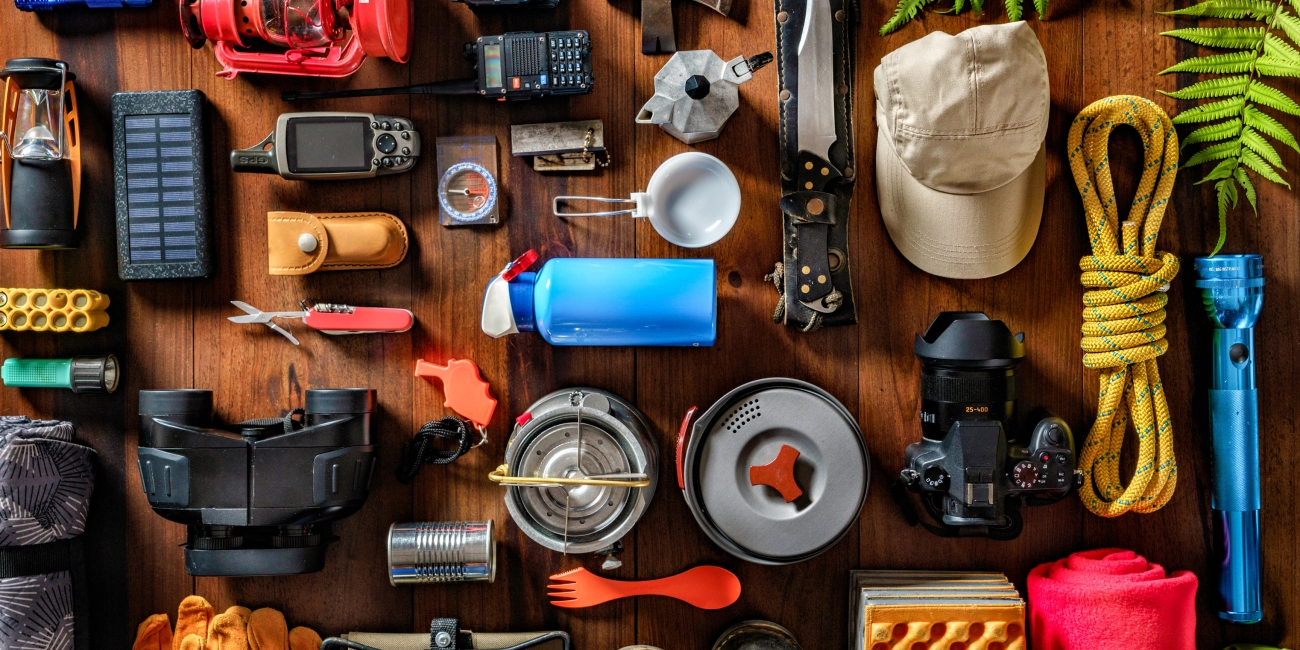
Ready to ditch the crowds and explore truly wild places? Adventure gear must-haves for off-the-beaten-path trips aren’t just nice-to-haves—they’re your ticket to safety, comfort, and freedom when venturing into remote wilderness. Whether you’re backpacking through backcountry trails or overlanding far from civilization, having the right gear tailored for durability, lightweight design, and versatility can make or break your experience. In this guide, you’ll discover practical essentials and smart packing tips to build a kit that keeps you prepared for anything nature throws at you. Let’s gear up for your next epic adventure!
Core Principles for Choosing Off-the-Beaten-Path Gear
When gearing up for remote adventure packing, the foundation is always the Ten Essentials framework—updated for today’s off-grid camping gear needs. These essentials ensure safety, navigation, and survival, no matter how far you stray from the beaten path.
Here’s what I focus on when choosing my backcountry hiking essentials:
- Weight vs. Durability: Lightweight gear saves energy on long treks, but it must stand up to rough terrain and changing weather. Strike a balance; ultralight gear that breaks easily only puts you at risk.
- Weather Resistance: Off-the-beaten-path means unpredictable conditions. Waterproof, windproof, and breathable materials help you stay comfortable and protected.
- Packability: Space is limited, so choose compact, multi-functional items that fit neatly. Think nesting cookware, compressible sleeping bags, and foldable tools.
- Budget: Quality counts, but you don’t need the priciest gear to be prepared. Prioritize key items like first aid, shelter, and navigation, then upgrade over time.
My packing philosophy? Minimalism with a safety net. Carry just enough to reduce the burden yet cover all emergencies. This means every item earns its place—no extra weight, no unnecessary stuff. That’s the sweet spot for confident, enjoyable off-grid camping.
With these principles, your wilderness survival kit will be reliable, efficient, and perfectly suited for off-the-beaten-path adventures.
Navigation and Communication Essentials
When heading off the beaten path, reliable navigation and communication gear is a must-have. Offline GPS devices and apps like Gaia GPS are indispensable for backcountry hiking essentials, letting you track your route without a signal. Still, don’t rely solely on tech—bring paper maps, a compass, and topographic resources as a backup. For added safety, satellite communicators such as the Garmin inReach provide SOS functionality and two-way messaging, which is crucial in remote areas with no cell coverage.
Keep your devices powered with portable power banks or solar chargers to ensure they last throughout your trip. This gear combo not only keeps you on track but also connects you to help if needed, making it a core part of any remote adventure packing list. If you’re planning trips that might cross various regions, also check out the detailed route options like those seen in popular travel guides, such as this take on adventure spots in Asia, to prep your nav setup accordingly.
Hydration and Water Purification
Staying hydrated is crucial for any off-the-beaten-path trip, so bringing reliable reusable bottles and hydration reservoirs is a must. These allow you to carry enough water comfortably and refill on the go. For water purification, portable filters like the Sawyer Squeeze or LifeStraw are popular choices—they’re lightweight and effective at removing bacteria and protozoa.
Don’t rely on just one method, though. Always carry backup treatment options such as purification tablets or UV pens to handle different water sources or emergencies. When planning multi-day trips, consider your water storage carefully—using collapsible containers or extra reservoirs helps manage supply without adding bulk.
Balancing weight and reliability in your water gear is key to staying safe and hydrated deep in the wild, especially when using portable water filters as part of your wilderness survival kit. For more tips on packing right for remote trails, check out this detailed travel tips guide.
Shelter and Sleep System
When heading off the beaten path, your shelter and sleep system needs to be lightweight yet reliable. Choose a lightweight backpacking tent, bivy sack, or hammock that suits your route and climate—these options keep you protected without weighing you down. Make sure your sleeping bag is rated for the temperatures you expect, so you stay warm through the night. Pair it with a quality sleeping pad to insulate you from the cold ground and add comfort for a better rest. Always carry an emergency blanket or bivvy sack as a backup—these compact items can be lifesavers if conditions turn harsh or your main shelter fails.
Balancing packability and durability is key here; aiming for minimal gear that still covers all your shelter needs helps avoid unnecessary burden on long treks. For those planning multi-night adventures, investing in versatile shelter gear ensures you stay safe and comfortable in the wild. This approach to off-grid camping gear aligns well with proven backcountry hiking essentials, keeping your rest sharp and your setup light.
Clothing and Layering for Variable Conditions
When heading off the beaten path, your clothing choices can make or break your comfort and safety. Start with merino wool base layers—they’re excellent for moisture management, keeping you dry and regulating body temperature no matter the weather. Next, pack insulating mid-layers like fleece or lightweight down for warmth, and don’t forget a waterproof outer shell to protect against rain and wind.
Durable pants, thick socks, and gaiters are crucial to shield your legs and feet from rough terrain, insects, and moisture. When it comes to footwear, trail runners are great for lightweight speed and breathability on well-drained trails, while sturdy boots offer better support and traction for rugged, slippery, or rocky routes.
Finally, bring along accessories like hats for sun protection, gloves to keep your hands warm, and sunglasses or buffs for wind and dust. This layering system keeps you prepared for changing conditions without overpacking, perfect for remote adventure packing lists like those used in some rugged Montenegro trails.
First Aid and Emergency Preparedness
A solid first aid kit for trails is a must when heading off the beaten path. Tailor your kit to handle remote risks like blisters, cuts, and allergic reactions. Include personal medications and basic trauma supplies such as bandages, antiseptic wipes, and pain relievers.
Having a reliable multi-tool or knife for outdoors is essential—not just for minor repairs but also for opening packages, preparing food, or emergency situations. Don’t forget fire-starting tools like a lighter, ferro rod, and waterproof tinder; these are critical for warmth, cooking, and signaling.
Preparing well for emergencies means fewer worries on your remote adventure, allowing you to focus on the experience without compromise. For remote hiking essentials, packing smart in this category is just as important as offline GPS navigation or shelter gear.
Nutrition and Cooking Gear
When packing for off-the-beaten-path trips, focus on high-energy, lightweight foods like dehydrated meals, energy bars, and nuts. These options offer the fuel you need without adding bulk to your pack. Bring a compact stove with reliable fuel to enjoy hot meals, which can greatly boost morale and energy on remote adventure packing lists.
Choose cookware and utensils that nest together to save space and reduce weight. If you\’re camping in bear country, don’t forget bear-resistant storage to keep your food safe and prevent wildlife encounters. This gear helps maintain wilderness survival while keeping your pack manageable for long days of hiking.
Illumination and Visibility
When venturing off-the-beaten-path, reliable lighting is a must for safety and convenience. A good headlamp with red-light mode helps preserve night vision and extends battery life—perfect for navigating trails or setting up camp in the dark. Always pack backup flashlights and extra batteries to avoid being caught without light.
Reflective items or signaling tools are also essential, especially for emergency situations where you need to be seen from a distance. Think reflective bands, signal mirrors, or even a whistle to grab attention quickly. These simple gear pieces are vital parts of any backcountry hiking essentials kit for ensuring you stay safe and visible during remote adventure trips.
Additional Multi-Functional Tools and Recovery Items
When heading off the beaten path, having versatile tools and recovery gear can make all the difference. Trekking poles are must-haves—they provide extra stability on rough terrain and can double as supports for a shelter or tarp. A solid repair kit is essential too, including duct tape, cordage, and basic sewing supplies to fix gear mishaps on the trail.
For vehicle-based adventures, don’t overlook simple traction aids or recovery tools to get you unstuck in tricky spots. Staying organized is critical, so pack a lightweight daypack or waterproof dry bags to separate your essentials and keep them protected from the elements.
These multi-functional items streamline your load while covering a broad range of situations, key for any remote adventure. For more tips on packing smart and light, check out this practical guide on planning your trip in The Americas.
Packing and Weight Management Tips
Keeping your pack light and organized is key for off-the-beaten-path trips. Here’s how to balance weight and accessibility without leaving essentials behind:
Sample packing lists by trip length:
- Day trips: Lightweight backpack with hydration reservoir, basic first aid kit, navigation tools (offline GPS or paper maps), snacks, and a minimal shelter like an emergency bivvy.
- Multi-day trips: Add a lightweight backpacking tent, sleeping system, portable stove, water purification gear, extra clothing layers, and a more comprehensive first aid kit.
- Extended remote adventures: Include satellite communicators for safety, solar portable chargers, repair kits, bear-resistant storage if needed, and backup navigation tools.
Balancing load:
- Pack frequently used items near the top or sides for quick access.
- Put heavier gear close to your back and centered to maintain balance.
- Use compression sacks to minimize volume and keep gear stable.
Avoid common mistakes:
- Overpacking: Bringing redundant items or too many clothes adds weight and slows you down. Stick to essentials guided by the Ten Essentials framework with modern updates.
- Under-preparing: Don’t sacrifice critical emergency gear or navigation devices to save a few ounces. It’s better to carry a bit more for safety than risk being unprepared.
For more on smart packing strategies, explore these 9 tips for planning an epic adventure that work well in remote settings. This helps you streamline your packing while covering all bases, ensuring your off-grid camping gear keeps you safe and comfortable throughout your journey.