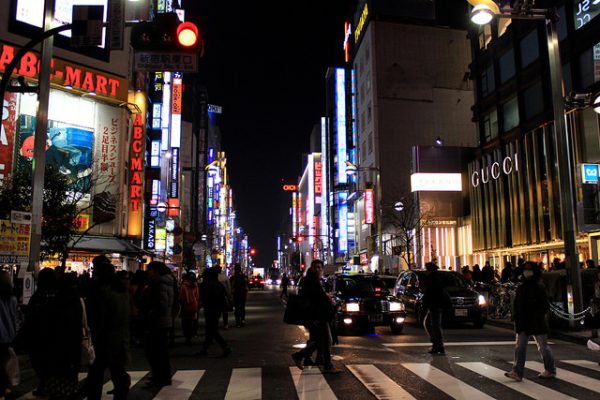
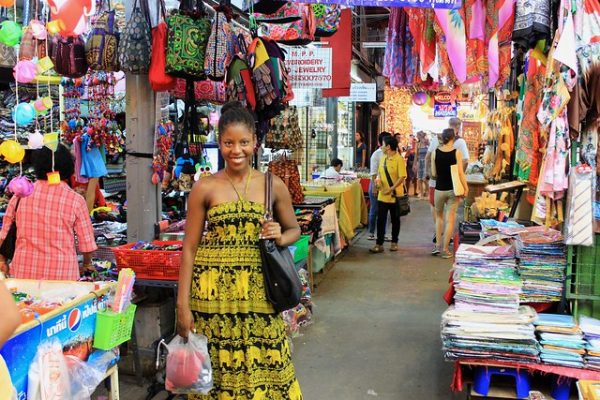
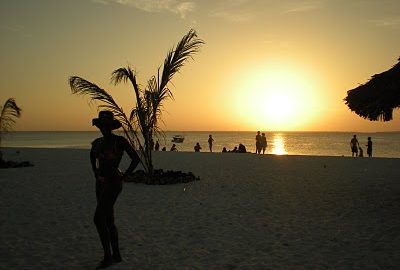
Stepping out in Hong Kong: Hong Kong by night
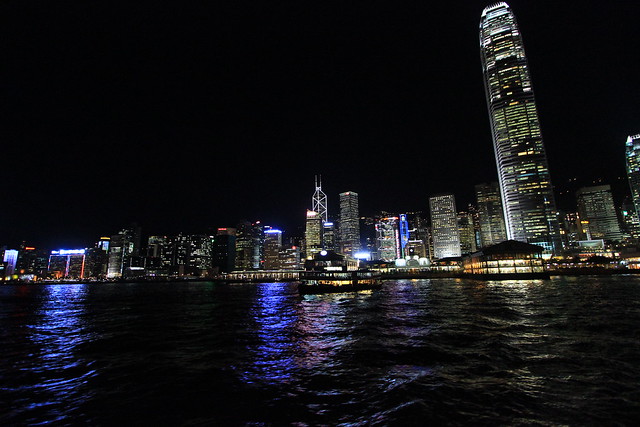
You have landed at Chek Lap Kok, cleared immigration, and the MTR deposits you in central Kowloon by 8pm. The skyline is already glowing across the harbour. What most travel content skips: the next decision you make — which neighbourhood, which viewpoint, which night market — determines whether this city actually delivers or just dazzles for an hour before you are back in the hotel wondering what happened.
This guide breaks Hong Kong at night into comparable, specific options — the same way you would evaluate competing policies: by value delivered, exclusions buried in the fine print, and clear verdicts rather than vague enthusiasm.
The Skyline Viewpoint That Earns Its Ticket Price
Most first-time visitors default to Victoria Peak. The marketing is relentless and the Peak Tram is genuinely iconic. But there is a meaningful gap between the marketed experience and the actual value delivered — especially if you arrive on a humid evening in June and the summit is sitting inside a cloud.
Tsim Sha Tsui Promenade: The Zero-Cost Benchmark
The Avenue of Stars on the Tsim Sha Tsui waterfront gives you a straight-on view of Hong Kong Island’s skyline at no cost. No tram queue, no summit fog, no entry fee. This is the correct default position for the Symphony of Lights at 8pm — free, at harbour level, with the full 3.5km of illuminated towers in front of you. For a first visit, this outperforms any paid viewpoint on a cost-per-impression basis.
No ticket queue. No tram wait. No summit fog.
Peak Tram vs. Sky100: The Head-to-Head
| Viewpoint | Height | Ticket (2026) | Last Entry | Key Risk |
|---|---|---|---|---|
| Victoria Peak (The Peak Tower) | 428m platform | HK$120 tram return | Tram until 11pm | Fog common May–September |
| Sky100 at ICC, West Kowloon | 393m (floor 100) | HK$228 | 9pm last entry | Indoor glass can create glare |
| Ozone Bar, Ritz-Carlton ICC (floor 118) | 490m | No cover; ~HK$200 minimum spend | Midnight weekdays, 2am weekends | Smart casual required — enforced at the door |
| TST Promenade | Ground level | Free | Open 24 hours | Crowded during Symphony of Lights |
Clear night, no time pressure: take the Peak Tram. Humid evening with low cloud — roughly 40% of nights between May and September — Sky100’s enclosed environment is the safer investment. Want drinks combined with the highest publicly accessible viewpoint in the world? Ozone Bar at the Ritz-Carlton ICC is the answer. The minimum spend is realistic for two people having one round.
Temple Street Night Market: A Stall-by-Stall Assessment
Temple Street in Yau Ma Tei runs from Jordan to Yau Ma Tei MTR stations, daily from around 4pm to midnight. Here is what each segment actually delivers versus what the tourist packaging implies:
- Fortune tellers near Tin Hau Temple: Genuinely local, not installed for tourists. A palm reading costs HK$50–150. Bring cash. Request an English-speaking reader if needed. Worth 20 minutes.
- Cantonese opera performances: Informal troupes perform near the temple between 8pm and 10pm most evenings. Free, unscripted for tourist consumption, attended by local residents. One of the more authentic things the market offers.
- Electronics stalls: The first two rows are tourist-facing with tourist pricing. Walk further north, past the main crowd, for the genuine stalls. Counterfeit branded goods are everywhere — the risk is yours to assess.
- Outdoor seafood restaurants: Food on Temple Street itself is marked up for location. Walk one block east to Public Square Street for comparable dishes at 20–35% less. Always confirm per-item pricing before ordering — not after the food arrives.
- Jade Market on Kansu Street: Adjacent to Temple Street but closes around 6pm. Plan this before the night market, not after.
Peak crowd times are 8:30pm to 10pm on weekends. If the opera or fortune tellers are your primary target, arrive by 7:30pm to get a position worth having.
Choosing Between Hong Kong’s Three Main Night Districts
This is where the most costly planning errors happen. Lan Kwai Fong, Wan Chai, and SoHo are not interchangeable. They deliver different experiences at different price points, and picking the wrong one for your group is a genuine mistake that cannot be corrected once you are already there.
Lan Kwai Fong: High Density, Known Quantities
Lan Kwai Fong (LKF) in Central is the most internationally recognised nightlife cluster in Hong Kong — a dense grid of bars and clubs on a steep uphill street, genuinely busy from 10pm on Fridays and Saturdays. Pricing is consistent: HK$80–120 for a local beer, HK$150+ for cocktails. The crowd skews expat and international visitor.
Specific venues worth knowing: Aqua Spirit at 1 Peking Road in Tsim Sha Tsui (technically across the harbour, but draws the LKF crowd) for the view-plus-drink combination at 30 storeys up. DROP at LKF Tower for electronic music with a real sound system. Insomnia on D’Aguilar Street for live cover bands until 5am if that is what your group is looking for.
LKF is transparent about what it is: expensive, dense, and internationally oriented. Arrive expecting a local Hong Kong experience and you will leave disappointed. Arrive knowing what it is and you will have a functional, well-run night.
Wan Chai: More Range, Lower Floor Prices
Wan Chai is the recommendation for visitors who want genuine variety without the LKF premium. Johnston Road has Cantonese restaurants open past midnight. Ned Kelly’s Last Stand on Ashley Road has been serving live jazz with no cover charge since 1972 — performances start at 9pm, crowd peaks around 10:30pm, mix of long-term expats, local professionals, and tourists who did their research before arriving.
Drink prices run 20–35% below LKF for comparable quality. Lee Tung Avenue, a pedestrianised heritage street in the neighbourhood, is worth walking even if you are not going into a venue. The restored shophouse facades are lit at night and provide the neighbourhood-scale texture that LKF entirely lacks.
The tradeoff: Wan Chai is more spread out and requires more navigation than a single cluster of streets. It rewards visitors who do not need to be handed an experience in a contained block.
SoHo and the Mid-Levels Escalator
SoHo sits above Central, accessed via the 800m covered outdoor escalator system — the longest in the world. The escalator runs upward from 10:20am to midnight. It only runs downward from 6am to 10am. Going up to SoHo for dinner and drinks is seamless; getting back down means walking the steps or taking a taxi.
Staunton Street and Elgin Street have the highest concentration of independent bars and restaurants. The Pontiac on Old Bailey Street is a consistently well-regarded bar by Hong Kong standards — opens at 5pm, closes when it empties, which on weekends is typically 2–3am. Brickhouse off Elgin is loud, Cali-Mex, and cheap by SoHo standards. Most of SoHo’s best spots are unmarked at street level or accessed through doors that do not advertise themselves. A recent review matters more here than it does in LKF.
Getting Around Hong Kong After Midnight
Missing the last MTR by fifteen minutes and spending HK$150 on a cross-harbour taxi that should have been an HK$12 train ride is a predictable failure mode. These are the actual last-train times from key hubs.
Last MTR Departures by Line
| Line | Approximate Last Train | Key Stops Covered |
|---|---|---|
| Tsuen Wan Line (from Central) | ~00:07 | Mong Kok, Prince Edward, Tsim Sha Tsui |
| Island Line (from Kennedy Town end) | ~00:24 | Wan Chai, Admiralty, Causeway Bay |
| Kwun Tong Line (from Whampoa) | ~23:48 | Jordan, Yau Ma Tei — Temple Street area |
| South Island Line | ~00:15 | Aberdeen, Wong Chuk Hang |
Cross-harbour fares on an Octopus card run HK$10–18. After last trains, licensed red taxis cover Hong Kong Island and Kowloon. Overnight bus routes N121 and N122 handle cross-harbour movements. Uber operates legally in Hong Kong and is often faster to book than hailing at 1am on a Saturday.
The Star Ferry Window You Should Not Miss
The Star Ferry between Tsim Sha Tsui and Central runs until approximately 11:30pm. Upper deck fare: HK$3.40 weekdays, HK$4.20 weekends. Taking it immediately after the Symphony of Lights ends at 8:20pm — with buildings still lit and the harbour at its most photogenic — is among the highest-value, lowest-cost experiences available in this city. A taxi across the same route costs HK$80–120 and takes longer during evening traffic. There is no rational case for choosing the taxi.
Where to Eat After 11pm
Which Late-Night Spots Are Actually Worth Seeking Out?
Hong Kong is one of the few cities where late-night food quality does not automatically mean fast-food quality. Full-service restaurants and cha chaan tengs (Hong Kong-style tea restaurants) both operate late, and the range is genuine.
- Mak’s Noodle (Wellington Street, Central): Closes 11pm weekdays, midnight weekends. Wonton noodles at HK$50–70 a bowl. Consistently cited alongside Mak Man Kee in Jordan at the top of Hong Kong’s wonton noodle category — the broth is the differentiator.
- Yung Kee Restaurant (Wellington Street): Open until midnight. The roast goose here is the standard against which other roast goose in Hong Kong gets measured. Budget HK$200–350 per person for a full meal.
- dim dim sum (multiple branches): Dim sum served until 2am. Made to order rather than trolley service. The right call if your group wants dim sum at midnight without a quality compromise.
- Café de Coral: Largest local fast-food chain, many locations open 24 hours. The congee, macaroni in broth, and pineapple buns are genuine local staples — not tourist simulations of local food. HK$30–55 for a full plate.
Are the Temple Street Outdoor Restaurants Worth It?
With conditions. The seafood is fresh and the setting is atmospheric. Always agree on per-item pricing before food arrives. Clams, mantis shrimp, and typhoon shelter crab are the dishes that justify the location premium. House beer runs HK$35–45 a can. The markup on the setting is real — factor it in rather than being surprised by the bill.
Three Mistakes That Reliably Cost Visitors a Good Night
Arriving at the Peak at 9pm in July without checking the forecast — summit fog cuts visibility to under 20 metres on roughly one night in three during humid months, and the tram queue can be 45 minutes. Eating at the first restaurant in Lan Kwai Fong without checking the menu price first — some venues charge HK$180+ for a beer listed in fine print at the bottom. And planning the Ngong Ping 360 cable car to Lantau’s Tian Tan Buddha as an evening activity — the cable car closes at 6pm and does not operate at night under any circumstances. That one is listed in the fine print nobody reads.
One timing note that applies across all neighbourhoods: happy hours in Hong Kong typically run until 9pm, not 8pm. Arrive at 8:45pm and you can still catch discounted pricing — typically 20–35% off drinks. Over the course of an evening, the difference is material.
The Symphony of Lights: Honest Assessment
It is a 13-minute coordinated light and laser display — not a fireworks show. That distinction determines whether your expectations are calibrated correctly before you show up.
The Symphony of Lights runs every night at 8pm from buildings on both sides of Victoria Harbour. Free to watch from the waterfront. Synchronised to music broadcast from speakers along the Tsim Sha Tsui promenade. Dozens of buildings coordinating LED and laser displays across a roughly 3.5km stretch of the skyline.
What it is not: the dramatic pyrotechnic spectacle some visitors construct from long-exposure photos online, most of which use post-processing that amplifies light levels significantly beyond what the naked eye sees.
Optimal position: the section of the Avenue of Stars closest to the Hong Kong Cultural Centre — roughly midpoint along the promenade. Arrive by 7:40pm to secure a rail position. The show ends at 8:13pm. The crowd disperses quickly after — take the Star Ferry to Hong Kong Island if that is your next move.
If you have seen it once, restructuring a second evening around it is not worth the opportunity cost. The ambient skyline glow that persists from 8pm onward is more atmospherically useful for walking and photographing than the show itself.