
Mastering International Travel Entry Requirements
Navigating international entry requirements can seem complex. The key is understanding what each country expects, then preparing efficiently. This guide simplifies the process, focusing on practical steps and reliable tools for a smooth journey. Your travel experience starts long before you reach the airport, with proper documentation and financial readiness.
Understanding Common Entry Requirement Types
Most countries require a combination of documents and health attestations for entry. Ignoring any detail can lead to denied boarding or even deportation. Always check official government sources for your destination country well in advance, as rules change. A good rule of thumb: plan for at least three months prior to departure.
Passports, Visas, and ETAs
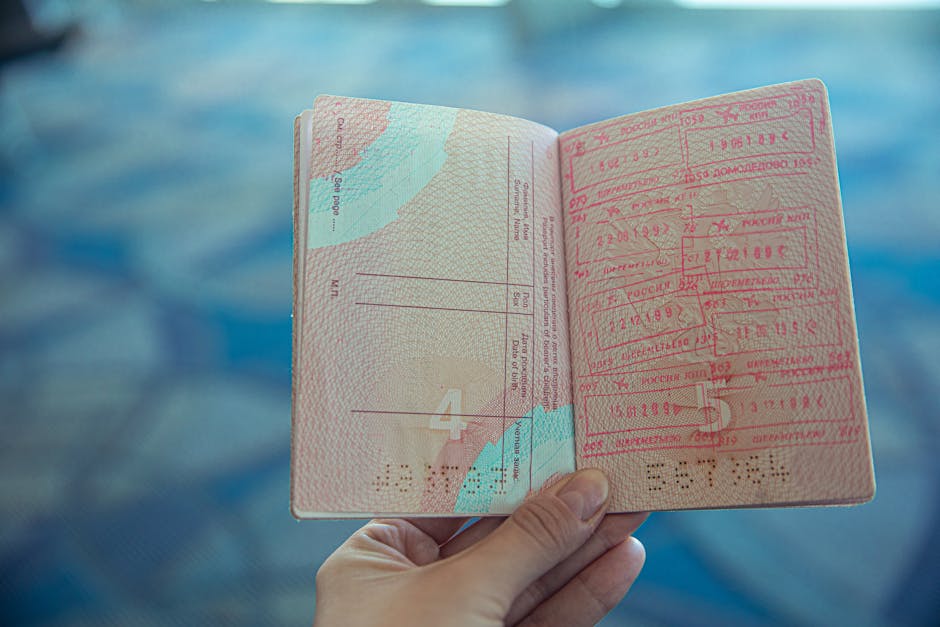
Your passport is your primary identification for international travel. It must be valid for at least six months beyond your intended departure date from the destination country. This "six-month rule" is non-negotiable for many nations, including popular destinations in Europe and Asia. Many countries also require blank visa pages for entry stamps.
Beyond a passport, a visa is a formal endorsement from the destination country, allowing you to enter for a specific purpose and duration. Visas can be obtained from embassies, consulates, or online as e-Visas. For example, countries like Vietnam and India typically require visitors from many nations to secure a visa beforehand. Electronic Travel Authorizations (ETAs) are simpler. These pre-screening systems, like the U.S. ESTA or Canada’s eTA, allow visa-exempt travelers to enter by applying online for a small fee. They are not visas but a mandatory entry permit. Processing times vary; apply for ETAs several days before travel, and visas several weeks or months in advance.
Health Declarations and Vaccinations
Global health concerns have led to increased scrutiny of traveler health. Many countries still require health declarations, often completed online before departure or upon arrival. These forms typically ask about recent travel history, symptoms, and contact information. Some nations, particularly in regions prone to specific diseases, mandate vaccinations. Yellow Fever vaccination certificates are common for entry into parts of Africa and South America. Always check the CDC or WHO recommendations, alongside your destination country’s official health ministry website. Keep physical copies of all vaccination records and digital backups.
Proof of Funds and Onward Travel
Border agents need assurance you can support yourself during your stay and will leave the country. Proof of sufficient funds demonstrates you won’t become a burden. This might mean bank statements, credit card limits, or a letter from your employer. The exact amount varies by country and length of stay. For instance, Schengen Area countries often require €45-€70 per day. Similarly, an onward or return ticket is frequently requested. This proves you have no intention of overstaying your welcome. Having a printed or digital copy of your confirmed flight or bus ticket out of the country is essential. Without it, you might be denied boarding at your origin or entry upon arrival.
Best Digital Tools for Document Organization

Keeping track of passports, visas, bookings, and health records is crucial. Physical folders are fine, but digital organization offers unparalleled accessibility and backup. The right tools ensure your documents are secure and instantly available when needed. Do not rely solely on your phone’s photo album for critical documents; use dedicated, secure solutions.
Recommended Document Apps
For on-the-go access, apps like TripIt or WorldMate automatically organize your itineraries, including flight, hotel, and car rental details. They can also store digital copies of your passport and visa. Simply forward your booking confirmations, and the app builds your trip. For broader document storage, dedicated password managers like 1Password or LastPass are excellent. They offer secure vaults for storing scanned copies of your passport, visa, insurance policies, and vaccination cards. These apps use strong encryption, protecting your sensitive data more effectively than generic cloud storage. The convenience of having everything in one secure, searchable place is invaluable, especially during stressful travel moments.
Secure Cloud Storage Options
Beyond dedicated travel apps, a robust cloud storage solution provides a critical backup. Google Drive and Dropbox are popular, offering free tiers with ample space for travel documents. Create a specific "Travel Documents" folder, then upload high-resolution scans or photos of every essential paper. This includes your passport photo page, visa stamps, health certificates, and travel insurance policy. Ensure two-factor authentication (2FA) is enabled on your cloud accounts for added security. While convenient, remember that public Wi-Fi can be risky. Access your documents over a secure network or via your eSIM data connection to protect your information.
Do You Really Need Travel Insurance for Entry?
Travel insurance is often seen as an optional extra, but for many destinations, it’s a mandatory entry requirement. Even where not legally required, it’s a fundamental financial safeguard. Choosing the right policy prevents significant financial burdens from unexpected events.
Which Countries Mandate Travel Insurance?
Several popular travel destinations require proof of travel insurance for entry. The entire Schengen Area (27 European countries) is a prime example, demanding a minimum coverage of €30,000 for medical emergencies, repatriation, and emergency hospital treatment. Other countries like Cuba, Thailand (for certain visa types), and the UAE have similar requirements. Border officials in these nations may ask for your insurance policy details upon arrival. Failing to provide proof can result in denied entry, regardless of your visa status. Always verify the specific insurance requirements for your destination country before departure. Reputable providers like SafetyWing or World Nomads offer policies that meet these international standards.
What Should Comprehensive Travel Insurance Cover?
A comprehensive travel insurance policy extends far beyond basic medical coverage. Look for plans that include:
- Emergency Medical Expenses: Coverage for illness or injury abroad. Minimum suggested: $100,000.
- Emergency Evacuation/Repatriation: Costs associated with returning home for medical treatment or in case of death. Essential coverage.
- Trip Cancellation/Interruption: Reimbursement for non-refundable expenses if your trip is cut short or canceled due to covered reasons (illness, natural disaster).
- Baggage Loss/Delay: Compensation for lost, stolen, or delayed luggage.
- Travel Delay: Coverage for unexpected costs if your trip is delayed (e.g., accommodation, meals).
- Personal Liability: Protection if you accidentally injure someone or damage property while abroad.
Review the policy wording carefully for exclusions, especially regarding pre-existing conditions or adventure activities. Some credit cards offer basic travel insurance, but these are rarely comprehensive enough for mandatory entry requirements.
Can Travel Insurance Help with Visa Applications?
Yes, absolutely. For countries that require travel insurance for a visa application (like Schengen visas), you must submit proof of an active policy along with your other documents. The visa application often specifies the exact coverage minimums and types required. Without this, your visa application will be rejected. Some policies may even offer coverage for visa application fees if your visa is denied for covered reasons, though this is less common. Always purchase your travel insurance before applying for your visa if it’s a prerequisite.
Simplifying Connectivity: The eSIM Advantage

Staying connected upon arrival is no longer a luxury, but a necessity. It allows you to access maps, translate languages, contact transportation, and retrieve digital documents. Traditional SIM cards require physical swapping, but eSIMs offer a seamless, instant solution for international travelers.
Top eSIM Providers for International Travel
An eSIM (embedded Subscriber Identity Module) is a digital SIM that allows you to activate a cellular plan without a physical card. This means you can purchase a data plan for your destination country while still at home, activating it the moment you land. This avoids hunting for local SIM cards or paying exorbitant roaming fees. Providers like Airalo, Nomad, and Holafly are leaders in the travel eSIM market. They offer region-specific or global data packages, allowing you to choose plans based on your data needs and travel duration. For example, a 5GB plan for 30 days in Europe typically costs around $20-$30 from these providers. Activation is generally straightforward, done through their respective apps by scanning a QR code.
eSIM Activation and Data Plans
Activating an eSIM is simple. First, ensure your smartphone supports eSIM technology (most newer models from Apple, Samsung, and Google do). Next, download the app of your chosen provider. Browse available plans for your destination, select one, and complete the purchase. The app then guides you through the activation process, which usually involves scanning a QR code or entering a manual code in your phone’s settings. You can often install the eSIM before you travel and activate the data plan only when you arrive. This means you’re connected the moment you touch down, crucial for border control or accessing ride-share apps. Many providers also offer top-up options, so you can add more data if needed without changing your number or physical SIM.
Common Mistakes When Preparing Entry Documents
Even seasoned travelers make errors. Simple oversights can lead to major headaches, from missed flights to denied entry. Understanding these pitfalls helps ensure a smoother process.
-
Expired Passport/Visa: This is the most frequent and easily avoidable mistake. Always check your passport’s validity well ahead of your trip, ensuring it meets the "six-month rule" for your destination. Similarly, double-check visa validity dates and the number of entries permitted. A single-entry visa will not work for multiple entries.
-
Incorrect Visa Type: Applying for a tourist visa when you intend to conduct business, or vice versa, can lead to immediate denial at the border. Ensure your visa purpose matches your actual travel intent.
-
Incomplete or Incorrect Forms: Rushing through visa applications or health declarations often results in errors. A single misspelled name or incorrect date of birth can invalidate your entire application. Take your time, cross-reference all information with your passport, and double-check every field.
-
Missing Onward/Return Ticket: Many countries require proof of your departure. Not having a confirmed onward ticket can lead to airline agents refusing to board you or border officials denying entry. Digital bookings are usually sufficient, but having a printout as a backup is wise.
-
Lack of Financial Proof: Border agents may ask to see proof of sufficient funds to cover your stay. Relying solely on cash might not be enough. Be prepared with bank statements (digital or printed) or credit card statements that show available funds.
-
Ignoring Transit Visas: Even if your final destination doesn’t require a visa, your layover country might. Research transit requirements carefully, especially for countries like the U.S., Canada, or China, which often require transit visas or ETAs even for short airport stays.
Comparing Visa Processing Services
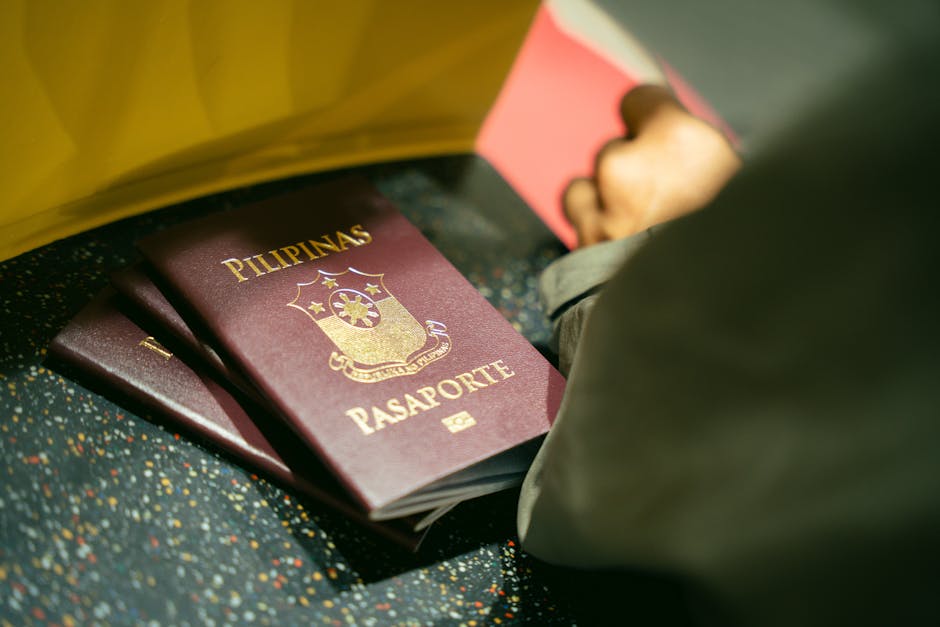
Obtaining a visa can be tedious, involving embassy visits, complex forms, and strict timelines. Visa processing services offer varying levels of assistance, from simple form-filling to full concierge services. Deciding whether to use one comes down to balancing cost against convenience and peace of mind.
| Feature | DIY (Do-It-Yourself) | Online Visa Service (e.g., iVisa) | Concierge Visa Service (e.g., CIBTvisas) |
|---|---|---|---|
| Cost (Service Fee) | $0 (only government fees) | Low-to-Moderate ($25 – $75+) | High ($100 – $300+) |
| Time Savings | None (requires personal research, form filling) | Moderate (streamlined forms, digital submission) | Significant (handles all paperwork, embassy visits) |
| Complexity Handled | Minimal (you manage everything) | Basic-to-Moderate (guides through e-Visas/ETAs, common visas) | High (complex visas, multiple nationalities, urgent requests) |
| Error Reduction | Relies on traveler’s diligence | Automated checks, expert review of forms | Thorough review by dedicated agent, direct liaison with embassy |
| Speed of Processing | Standard government processing times | Often same as standard, some offer expedited options | Often faster due to direct embassy relationships and urgent handling |
| Suitable For | Simple, well-understood visa processes; travelers with ample time | e-Visas, ETAs, straightforward tourist visas; busy travelers | Complex visas, business visas, multiple countries, urgent travel; high-value travelers |
Cost vs. Convenience: DIY vs. Full Service
The primary trade-off in visa processing is cost versus convenience. Doing it yourself saves money, as you only pay the official government visa fees. However, it demands significant time and careful attention to detail. This is feasible for simple e-Visas or if you have plenty of time before your trip. Online visa services, like iVisa, act as intermediaries, simplifying the application forms and often providing clearer instructions for a moderate fee. They are excellent for common e-Visas and ETAs, reducing the chance of errors without a massive expense. For highly complex visas, urgent travel, or if you prefer a completely hands-off approach, concierge services such as CIBTvisas are worth the higher price. They handle everything from document gathering to embassy submissions, offering a dedicated agent for your application.
Speed and Reliability Factors
When time is critical, visa processing services can be invaluable. Full-service providers often have established relationships with embassies and consulates, allowing for faster processing in some cases. They understand the specific requirements and common pitfalls, which minimizes delays due to incomplete or incorrect applications. Reliability also increases with a professional service. They keep up-to-date with changing regulations and can advise on the best approach for your specific situation. While no service can guarantee a visa, they significantly improve your chances of a smooth and timely approval by ensuring all requirements are met precisely. Always check reviews and choose a service with a strong track record of success and responsive customer support.
Financial Preparedness Beyond Insurance
Beyond travel insurance, your financial setup is critical for entry and a stress-free trip. Reliable access to funds and minimizing fees are .
The best strategy involves a multi-pronged approach: a no-foreign-transaction-fee credit card, a debit card for ATM withdrawals, and a small amount of local currency. Services like Wise (formerly TransferWise) offer multi-currency accounts and debit cards that allow you to hold and spend in dozens of currencies at the real exchange rate, significantly cutting down on conversion fees. This financial agility proves vital when paying for unexpected costs or showing proof of funds at the border.






0