
Best Hotels Florida Keys 2024: Top Luxury and Boutique Stays Reviewed
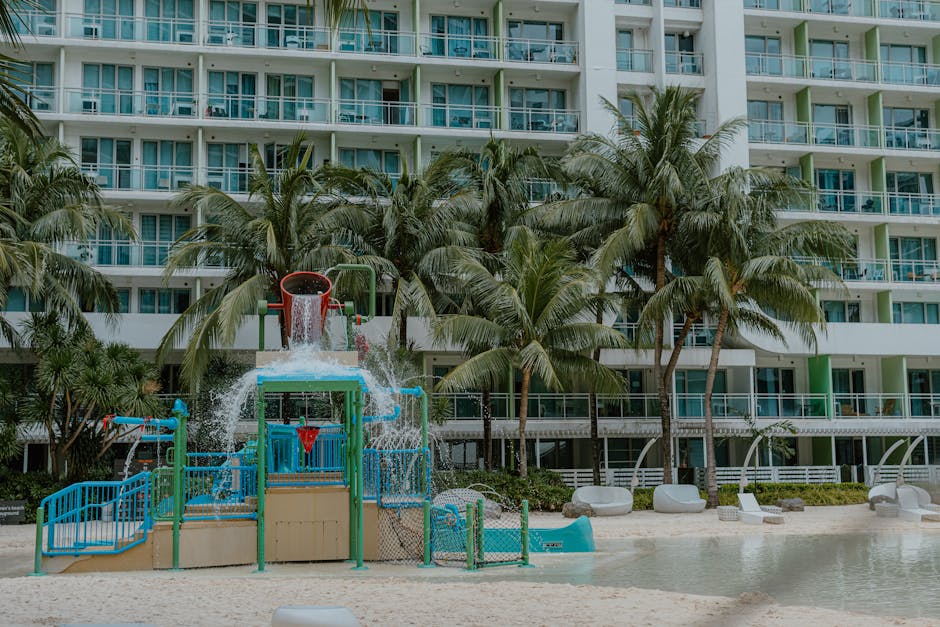
A common misconception persists among those planning their first trip to the Florida Keys: that the islands are a continuous ribbon of soft, white Caribbean sand. Many travelers arrive expecting the sprawling, natural shorelines of the Gold Coast or the Whitsundays, only to find a rugged coral archipelago where natural beaches are surprisingly rare. In reality, the Keys are ancient coral reefs. Most of the sandy stretches you see in brochures are man-made, meticulously maintained by the resorts that line the Overseas Highway. This geological reality fundamentally shifts how you should select your accommodation. Instead of looking for a “beach hotel” in the traditional sense, you must prioritize properties based on their pool culture, private lagoon access, or proximity to the living reef for diving and snorkeling.
Why the Florida Keys Beach Myth Dictates Your Hotel Choice
Because the shoreline is primarily sharp ironshore (fossilized coral), the best hotels in the Florida Keys have invested heavily in creating artificial environments that mimic a tropical paradise. When you are browsing properties, the term “waterfront” does not necessarily mean you can walk from your room into the surf. Often, it means you are overlooking a mangroves-lined canal or a rocky sea wall. For an Australian traveler accustomed to the vast, accessible beaches of New South Wales, this can be a jarring realization. Therefore, your choice of hotel becomes your primary gateway to the water. If you want that classic toes-in-the-sand experience, you are limited to a handful of high-end resorts that have imported thousands of tons of sand to create private beach enclaves.
The trade-off is often between space and soul. The large-scale resorts in areas like Marathon or Key Largo offer the expansive amenities—multiple pools, on-site spas, and curated lagoons—but they can feel somewhat sanitized. Conversely, the historic guesthouses in Key West offer immense character and architectural beauty but usually lack direct water access entirely. Understanding this divide is the first step in planning a successful itinerary. You aren’t just choosing a room; you are choosing which version of the Florida Keys experience you want to inhabit. The “Middle Keys” offer a resort-heavy, family-oriented atmosphere, while the “Lower Keys” and Key West lean into a more eccentric, boutique, and adult-focused vibe.
Luxury and Privacy: The Best High-End Resorts in the Upper Keys
If your priority is seclusion and high-touch service, the Upper Keys—specifically Key Largo and Islamorada—house the most sophisticated properties. Bungalows Key Largo stands out as the only true all-inclusive resort in the region. Aimed squarely at couples, this adults-only property features individual bungalows with private outdoor garden tubs and showers. At approximately $1,200 to $1,600 USD per night, it is a significant investment. The pro is the utter lack of “nickel and diming”—your meals, premium spirits, and even yoga classes are included. The con is that the property feels somewhat isolated from the local culture of the Keys; you are paying to stay within a very polished bubble.
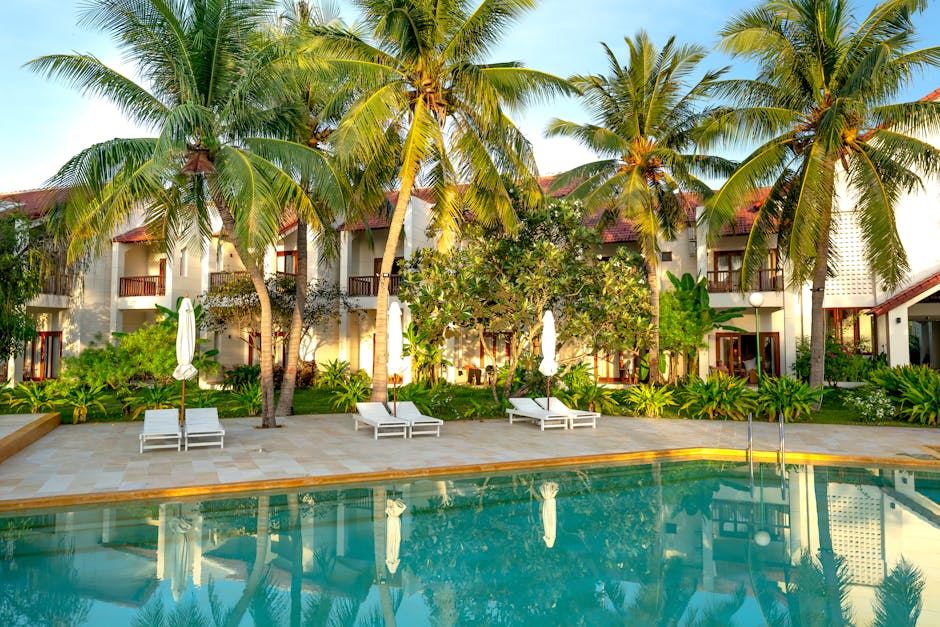
Further south in Islamorada, Cheeca Lodge & Spa offers a more traditional Florida luxury experience. This property has a storied history, having hosted US Presidents and celebrities for decades. It features a 525-foot fishing pier, which is a major draw for those interested in the “Sport Fishing Capital of the World.” Prices typically range from $450 to $900 USD depending on the season. A major pro is the sheer variety of activities, from sea kayaking to a small executive golf course. However, a notable con is the mandatory resort fee (often around $50 USD per night), which can feel like an unnecessary add-on given the already high room rates. For the ultimate in privacy, Little Palm Island Resort & Spa, located off the coast of Little Torch Key, is accessible only by boat or seaplane. With no telephones or televisions in the bungalows, it is the pinnacle of “off-grid” luxury, though with rates often exceeding $2,500 USD per night, it remains out of reach for many.
Key West Boutique Stays: Historic Charm vs. Modern Luxury
Key West is a different beast entirely. Here, the best hotels are often converted Victorian mansions or hidden compounds tucked away from the chaos of Duval Street. The Marquesa Hotel is widely considered the gold standard for boutique accommodation in the historic district. It is a collection of restored 19th-century houses centered around interior gardens and two quiet pools. The pro here is the impeccable service and the award-winning Cafe Marquesa. The con is the lack of traditional resort amenities; there is no gym or large-scale spa. Expect to pay between $500 and $800 USD per night. It’s an environment designed for those who appreciate quietude and architectural detail over high-energy pool parties.
On the flip side, if you prefer a more modern, industrial-chic aesthetic, The Perry Hotel & Marina on Stock Island offers a compelling alternative. Stock Island was once the grit to Key West’s glamour, but The Perry has transformed the area into a legitimate destination. The hotel overlooks a working marina and features a fantastic pool deck and two of the best restaurants in the area. Prices are often more competitive than downtown Key West, ranging from $300 to $550 USD. The pro is the spacious, modern rooms and the “real world” feel of the marina. The con is the location; you will need to take the hotel’s shuttle or a rideshare to get into the heart of Key West, which is about a 15-minute drive away. This separation can be a deal-breaker for those who want to be within walking distance of the nightlife.
| Hotel Name | Location | Approx. Price (USD) | Primary Vibe |
|---|---|---|---|
| Bungalows Key Largo | Key Largo | $1,200+ | All-Inclusive Luxury |
| Cheeca Lodge & Spa | Islamorada | $450+ | Classic Resort / Fishing |
| The Marquesa Hotel | Key West | $500+ | Historic Boutique |
| Hawks Cay Resort | Duck Key | $350+ | Family / Adventure |
| The Perry Hotel | Stock Island | $300+ | Modern / Marina |
Planning for Families and Large Groups in the Middle Keys
The Middle Keys, centered around Marathon and Duck Key, are where you find the most robust infrastructure for families. Hawks Cay Resort on Duck Key is the standout here. It is effectively its own village, featuring a saltwater lagoon where kids can swim in a protected environment, several pools (including an adults-only section), and an on-site dolphin research center. For families, the pro is the sheer volume of programming, from fishing clinics to coral reef camps. Prices generally sit between $350 and $600 USD. The primary con is that the resort is quite sprawling; depending on where your room or villa is located, you might find yourself doing a lot of walking or waiting for the internal tram. It can also feel quite crowded during school holiday periods, losing that sense of island relaxation.
For those who need more space, the Isla Bella Beach Resort in Marathon is a newer addition that has quickly become a favorite. Every room at Isla Bella features an ocean view, which is a rarity even in the Keys. The property is sleek, white, and modern, feeling more like a Mediterranean escape than a traditional Florida motel. It has five pools and a very long stretch of (man-made) beach. The pro is the consistent quality of the rooms and the stunning sunset views from the pier. The con is the service, which some guests have noted can be inconsistent during peak occupancy. If you are traveling with a group, their multi-bedroom suites provide a level of comfort that is hard to find in the smaller boutique hotels of Key West.
Practical Travel Logistics: Connectivity and Financial Planning for International Visitors
For travelers coming from Australia or Europe, the logistics of a Florida Keys trip require specific attention to detail. Connectivity is paramount when navigating the 113-mile Overseas Highway. While most hotels offer Wi-Fi, it can be spotty in older historic buildings. We recommend securing a reliable roaming solution before you land. Vodafone offers various international roaming passes that allow you to use your home data for a fixed daily fee, which is often more reliable than hunting for local SIM cards upon arrival. Alternatively, checking for eSIM compatibility on your device can save significant time. Having a stable connection is vital for using apps like AllTrails for hiking through the Dagny Johnson Key Largo Hammock Botanical State Park or for real-time traffic updates on the often-congested Seven Mile Bridge.
Financially, the Keys are one of the more expensive regions in the United States. Beyond the room rate, you must factor in the ubiquitous resort fees and the high cost of dining. Many travelers find that using a travel-focused credit card like those offered by American Express can mitigate some costs through travel insurance protections and rewards points on high-spend categories like dining and fuel. When it comes to gear, do not underestimate the Florida sun. The UV index here is consistently high. If you are planning on spending time on the water, investing in high-quality UV-rated apparel from retailers like Decathlon or Marks & Spencer is a smart move. A lightweight, long-sleeved sun shirt is far more effective than constantly reapplying sunscreen in the humid environment. For capturing the underwater beauty of the John Pennekamp Coral Reef State Park, consider picking up a waterproof action camera from Currys or a similar electronics retailer before your flight, as prices in the Keys’ tourist shops are heavily marked up.
Mapping Your Stay: Upper vs. Middle vs. Lower Keys Comparison
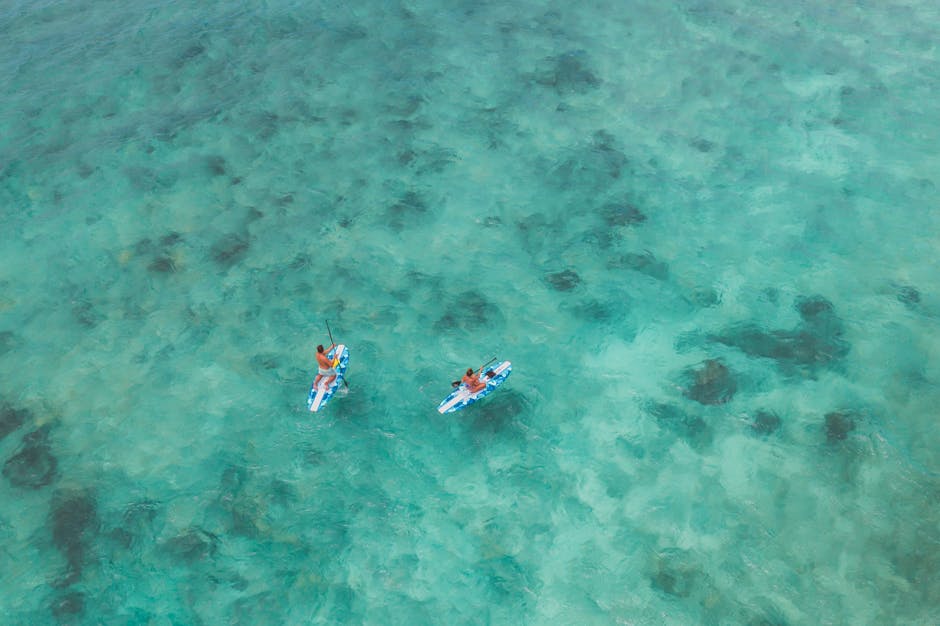
Deciding where to base yourself depends entirely on your interests. The Upper Keys (Key Largo, Islamorada) are the best choice for those who prioritize diving, snorkeling, and easy access from Miami. You can be in the water at Christ of the Abyss within two hours of landing at MIA. This area feels the most “lush” with mangroves and dense tropical foliage. The Middle Keys (Marathon, Duck Key) are the logistical heart of the archipelago. They offer the best balance of price and amenities, making them ideal for families who need a central home base to explore both ends of the chain. This is also where you will find the most accessible public beaches, such as Sombrero Beach.
The Lower Keys and Key West are for those who want culture, history, and a social scene. While the Lower Keys (Big Pine Key, etc.) are quiet and nature-focused—home to the endangered Key Deer—Key West is a bustling, walkable city. It is the only part of the Keys where you can truly ditch the car. However, be prepared for the noise; the “Conch Republic” is famous for its roosters that roam the streets and its late-night bars. If you want a quiet, restorative trip, stay in the Upper Keys. If you want an adventure filled with drag shows, Hemingway history, and sunset celebrations, Key West is your destination. A common strategy for longer trips is a “split stay”: three nights in Islamorada for water sports and three nights in Key West for the cultural experience. This approach minimizes the time spent driving back and forth on the single-lane highway, which can become tedious during peak traffic hours.
The Florida Keys are less about the destination and more about the shift in pace. The moment you cross the Jewfish Creek Bridge, the air changes. To get the most out of the best hotels in the Florida Keys, you have to accept the islands for what they are: a quirky, coral-bound escape where the best views are found looking out at the turquoise horizon, not down at the sand.
Ultimately, your choice of hotel will define your experience. Whether you choose the all-inclusive seclusion of Bungalows Key Largo, the family-centric bustle of Hawks Cay, or the historic intimacy of The Marquesa, ensure you book well in advance. The best properties in the Keys often fill up six to nine months ahead of time, particularly for the winter “snowbird” season between January and April. By matching your specific needs for space, activity, and budget to the unique geography of the islands, you can ensure your stay in this American tropical paradise is as seamless as the transition from the Atlantic to the Gulf of Mexico.



0