India Sneak Peek
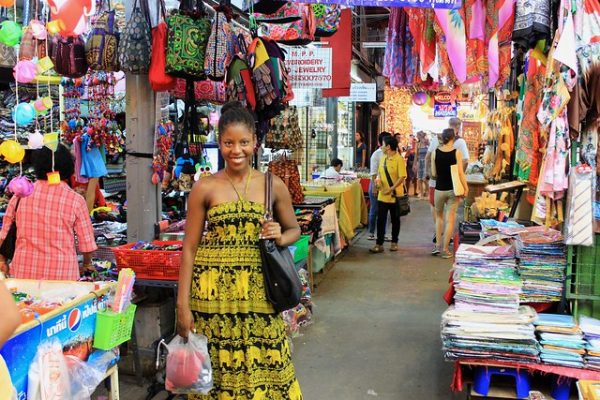
Is India really safe for solo travelers?
India offers an unparalleled travel experience. It is a land of vibrant cultures, breathtaking landscapes, and incredible history. However, preparing for your first trip requires specific insights. This guide cuts through the noise, providing direct, actionable advice for an informed and confident journey.
Is India Safe for First-Time Visitors?
Many prospective travelers, especially solo adventurers, approach India with questions about safety. The perception can be daunting. The reality is that India, like any vast and diverse country, requires common-sense precautions and an awareness of local customs. Millions of tourists visit India safely every year. Your experience largely depends on your planning and behavior.
What are the main safety concerns for tourists?
The primary concerns for tourists typically revolve around petty theft, scams, and occasional harassment, particularly for women. Pickpocketing can occur in crowded areas like markets or train stations. Scams often involve overcharging for services, fake tour guides, or aggressive touts. Health safety, related to food and water, is another common concern. Road safety can also be an issue due to varying driving standards and traffic density. Being alert and informed mitigates most of these risks. Always keep valuables secure and out of sight. Research common scams for your specific destinations.
How can solo female travelers enhance their safety?
Solo female travelers should prioritize personal safety by dressing modestly, especially in religious sites or conservative areas. Avoid walking alone at night in poorly lit or isolated places. Use reputable transportation services like Uber or Ola, and always share your ride details with a trusted contact. When booking accommodation, choose well-reviewed hotels or guesthouses with secure entry. Trust your intuition; if a situation feels off, remove yourself. Consider joining group tours for some excursions, especially to more remote locations. Connecting with other female travelers for shared experiences can also be beneficial.
Is public transport a reliable and safe choice?
Public transport in India is generally reliable and a fundamental part of the travel experience. Trains, particularly in higher classes like AC 2-tier or AC 3-tier, are a safe and comfortable way to cover long distances. Book tickets in advance through the IRCTC website or trusted agents. City buses and local trains can be very crowded, especially during peak hours. Auto-rickshaws and cycle-rickshaws are common for short distances. Always agree on a fare before starting your journey or insist on using a meter. Ride-sharing apps like Uber and Ola are excellent, offering GPS tracking and upfront pricing, which significantly enhances safety and convenience in major cities like Delhi, Mumbai, and Bangalore.
Planning Your India Itinerary: North vs. South
Deciding where to go in India is often the biggest challenge for first-timers. The country is geographically vast and culturally diverse. Broadly, India can be split into distinct northern and southern regions, each offering unique experiences. Your choice should align with your interests, travel style, and the time of year you plan to visit. Both offer incredible historical sites, vibrant markets, and diverse cuisines. However, their atmospheres and core attractions differ significantly. Understanding these differences is key to crafting a satisfying itinerary.
Key Regional Differences
| Feature | North India (e.g., Rajasthan, Delhi, Uttar Pradesh, Punjab) | South India (e.g., Kerala, Tamil Nadu, Karnataka, Goa) |
|---|---|---|
| Key Attractions | Historical forts, palaces (Jaipur, Jodhpur), Taj Mahal (Agra), spiritual centers (Varanasi, Rishikesh), Himalayan foothills. | Beaches (Goa, Kerala), backwaters (Kerala), ancient temples (Madurai, Hampi), spice plantations, colonial architecture. |
| Culture & Language | More Persian/Mughal influence, Hindi is prominent, vibrant festivals like Diwali, Holi. | Dravidian culture, diverse regional languages (Tamil, Malayalam, Kannada), classical arts, Ayurveda. |
| Climate | Extreme temperatures: hot summers, cold winters (especially north of Delhi). Best visited Oct-Mar. | More tropical and humid. Coastal areas pleasant in winter (Nov-Feb). Monsoon season June-Sept. |
| Food | Rich, creamy gravies, tandoori dishes, flatbreads (naan, roti), strong meat focus in some regions. | Rice-based, lighter curries, coconut milk, dosas, idlis, seafood, often vegetarian focus. |
| Pace of Travel | Often more bustling, intense, and rapid-paced, especially in major cities. | Generally more laid-back and slower, especially in rural and coastal areas. |
For first-time visitors seeking iconic landmarks and a bustling, historical immersion, North India, with the Golden Triangle (Delhi, Agra, Jaipur), is the clear recommendation. If relaxation, natural beauty, and a gentler cultural introduction are priorities, the southern states like Kerala or Goa offer a more serene experience. Consider mixing both if you have ample time, perhaps a classic North India circuit combined with a flight to Goa for some beach time.
Navigating India: Best Transport Options
Getting around India is an adventure in itself. The infrastructure is extensive but often challenging for newcomers. Understanding your options and how to use them efficiently is crucial for a smooth trip. Choose your mode of transport based on distance, budget, comfort, and time constraints. From expansive train networks to local rickshaws, each offers a unique perspective on Indian life.
-
India’s extensive railway network
Indian Railways is the backbone of long-distance travel. It’s affordable, expansive, and offers a glimpse into local life. For comfort, book AC 2-tier or AC 3-tier coaches. Sleeper Class is cheaper but less comfortable and often very crowded. Popular routes like Delhi to Agra (for the Taj Mahal) or Jaipur are well-served. Book tickets well in advance, especially for popular routes and peak seasons, through the official IRCTC website or platforms like MakeMyTrip. Always carry a printout or digital copy of your ticket and ID.
-
Domestic flights for long distances
When time is limited, domestic flights are the most efficient option for covering vast distances. Airlines like IndiGo, Vistara, and Air India offer frequent services connecting major cities such as Delhi, Mumbai, Bangalore, and Chennai. Booking flights usually saves significant travel time compared to overnight train journeys. Prices can be competitive if booked in advance, often comparable to upper-class train tickets. Always arrive at the airport well before your flight, especially in larger cities, due to potential traffic and security procedures.
-
Local taxis and auto-rickshaws
For city travel and short distances, taxis and auto-rickshaws are ubiquitous. In major cities, ride-sharing apps like Uber and Ola are highly recommended. They provide transparent pricing, GPS tracking, and cashless payment, significantly reducing the hassle of bargaining. For auto-rickshaws, always negotiate the fare beforehand or insist on the meter (though meters are often “broken”). For taxis not on apps, agree on a price before getting in. Many hotels can arrange reliable taxi services. Be prepared for aggressive driving styles; traffic rules are often suggestions.
Mastering the Food Scene: From Street Food to Fine Dining
India’s culinary landscape is a highlight for any traveler. It is diverse, flavorful, and deeply regional. From sizzling street food to sophisticated fine dining, every meal is an experience. Do not miss out on this aspect of Indian culture. Approach food with an adventurous spirit but also with awareness of local practices. The sheer variety means there’s something for every palate, whether you prefer spicy curries or mild, comforting dishes. Each region boasts its specialties, making culinary exploration a core part of your journey.
Prioritizing hygiene and enjoying street food safely
Street food is integral to the Indian experience, offering authentic flavors at unbeatable prices. However, hygiene is . Follow these rules: eat where locals eat – busy stalls mean high turnover and fresh ingredients. Look for food that is cooked fresh in front of you, especially deep-fried items like Pani Puri or Samosas. Avoid anything that looks like it’s been sitting out for a while. Stick to bottled water (check the seal) and avoid ice unless you are certain it’s made from purified water. Carry hand sanitizer and use it before every meal. Start with less adventurous options and gradually expand your palate as your stomach adjusts. Don’t be afraid to ask about ingredients if you have allergies.
Iconic regional dishes to experience
The diversity of Indian cuisine is astounding. In the North, sample rich, creamy curries like Butter Chicken or vegetarian options like Paneer Makhani, often accompanied by flaky Naan or fresh Roti. Delhi’s street food, like Chaat, is legendary. Moving South, you’ll find lighter, rice-based dishes. Try a crisp Masala Dosa with chutney and sambar in Chennai, or a fragrant seafood curry in Kerala. Goan cuisine features Portuguese influences, with spicy vindaloo and fresh fish curries. Hyderabad is famous for its aromatic Biryani. Don’t forget the regional sweets, from North Indian Gulab Jamun to South Indian Mysore Pak. Each state offers a distinct culinary identity worth exploring.
Navigating dietary needs and preferences
India is an excellent destination for vegetarians, with a vast array of delicious plant-based dishes. Most menus clearly mark vegetarian options. For vegans, explaining your requirements might be slightly more challenging due to the pervasive use of dairy (ghee, paneer, yogurt) in many dishes. Learning a few key phrases like “no milk” or “no ghee” in Hindi (doodh nahin, ghee nahin) can be helpful. Gluten-free options are available, especially with rice-based meals, but always confirm ingredients. Many restaurants, particularly in tourist areas, are accustomed to accommodating dietary restrictions. Be specific and patient when communicating your needs. Embrace the fresh fruits available, which are naturally gluten-free and vegan.
Essential First-Timer Tips for a Smooth Trip
To truly enjoy India, you must prepare adequately and maintain an open mind. A well-planned approach minimizes stress and maximizes enjoyment. My clear recommendation for all first-time travelers is to embrace the unexpected. India operates on its own rhythm, and rigidity will only lead to frustration. Flexibility is your most valuable asset.
-
Embrace the chaos
India can be overwhelming, a sensory explosion of sights, sounds, and smells. Traffic is intense. Crowds are common. Things may not always go exactly as planned. Instead of resisting, accept it. This “controlled chaos” is part of India’s charm. Patience is a virtue here. A calm attitude helps navigate any minor setbacks. Take moments to observe, rather than react, and you’ll find beauty in the bustle.
-
Stay connected and informed
Purchasing a local SIM card upon arrival is highly recommended. Providers like Airtel or Jio offer affordable data plans. This allows you to use navigation apps, book rides, and stay in touch. Download offline maps (Google Maps works well) and essential translation apps. Keep a portable power bank charged. Research local customs, dress codes, and etiquette for the regions you visit. A little knowledge goes a long way in showing respect and avoiding misunderstandings.
-
Pack smart
Lightweight, breathable clothing is essential, especially cotton or linen. Modest attire (shoulders and knees covered) is appropriate for religious sites and conservative areas. A good pair of comfortable walking shoes is a must. Pack a universal travel adapter, basic first-aid kit, and any personal medications. Consider a scarf or shawl for women, useful for modesty, sun protection, or warmth. Don’t overpack; laundry services are widely available and inexpensive.
Money Matters: Budgeting and Bargaining in India
India is an incredibly affordable destination, offering excellent value for money. However, managing your finances effectively is crucial. My clear verdict on money in India is this: always carry a mix of cash and cards, and learn to bargain politely. This balanced approach ensures you’re prepared for any situation, from street vendors to upscale hotels.
Realistic daily budget ranges
Your daily budget in India can vary significantly. For a budget traveler staying in guesthouses, eating street food, and using public transport, a realistic budget is around ₹1,500 – ₹2,500 (approximately $18-$30 USD) per day. A mid-range traveler, opting for comfortable hotels, a mix of local and mid-tier restaurants, and occasional taxis/flights, might spend ₹4,000 – ₹8,000 (approximately $48-$96 USD) daily. Luxury travel, with high-end hotels and private transport, can easily exceed ₹15,000 ($180 USD) per day. Accommodation, food, and transport are the biggest variables.
The art of polite bargaining
Bargaining is a common practice in India, especially in markets, for auto-rickshaws, and in smaller shops without fixed prices. It’s not about being aggressive, but about polite negotiation. Start by offering about 50-60% of the initial quoted price, then gradually increase. Always have a price in mind that you are comfortable paying. If the vendor doesn’t agree, you can walk away; often they’ll call you back. Smile, be friendly, and treat it as a cultural interaction rather than a confrontation. For items like handicrafts, bargaining is expected. However, for food at established eateries or items in large chain stores, prices are typically fixed.
Managing your funds securely
It’s wise to carry a combination of cash and at least two different debit/credit cards. ATMs are widely available in cities and towns, but always use them during daylight hours and at reputable banks. Inform your bank of your travel dates to avoid card freezes. Keep larger sums of cash in a secure money belt or hidden pouch. Only carry enough daily cash for immediate needs. Major hotels and upscale restaurants accept credit cards, but many smaller establishments and street vendors are cash-only. Consider a travel money card for better exchange rates and security. Always keep an eye on your belongings in crowded areas.