Portuguese Pastries
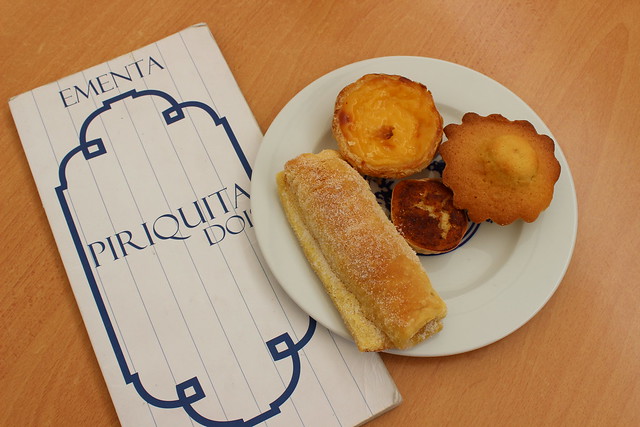
Portugal’s culinary landscape is famously rich, yet few things capture its heart quite like its pastries. From the iconic custard tarts found on every corner to lesser-known regional marvels, these sweet treats are more than just dessert—they’re a cultural immersion. Navigating this delicious world requires a bit of insight, ensuring every bite is as authentic and satisfying as possible.
What Makes Portuguese Pastries Unique?
Portuguese pastries boast a distinctive character, largely due to their historical roots and a few key ingredients. Many trace their origins back to the country’s convents and monasteries, where nuns and monks developed elaborate recipes. These institutions often used egg whites for starching clothes or clarifying wine, leaving a massive surplus of egg yolks. Ingenuity turned this surplus into a vast array of rich, egg-based sweets, a tradition that continues to define the pastry scene.
This reliance on egg yolks, often combined with sugar syrup and various nuts or spices, creates textures and flavors rarely found elsewhere. The traditional methods, sometimes involving slow baking in wood-fired ovens or delicate hand-folding of dough, contribute to the unique quality. Understanding this heritage helps appreciate the depth in seemingly simple treats.
The Legacy of Conventual Sweets
The term ‘doçaria conventual‘ refers specifically to these convent-born sweets. During the 15th to 19th centuries, convents became culinary laboratories, creating hundreds of recipes. These pastries were often sold to support the religious orders, forming a vital part of the local economy and gastronomic identity. The recipes, meticulously guarded, eventually diffused into public bakeries after the dissolution of religious orders in the 19th century. This history explains the high concentration of egg yolks, sugar, and sometimes almond paste, which were readily available ingredients in monastic settings.
Think of creations like Ovos Moles de Aveiro or the intricate Dom Rodrigos from the Algarve. These aren’t just desserts; they are edible pieces of history, each bite a connection to centuries of culinary tradition. Their distinct sweetness and often dense, rich texture are direct results of this unique heritage.
Key Ingredients and Methods
Beyond the prolific use of egg yolks, Portuguese pastries frequently feature cinnamon, vanilla, lemon zest, and sometimes almond flour. The doughs themselves vary widely, from the paper-thin, flaky puff pastry of a Pastel de Nata to the denser, cakier texture of a Pão de Ló. Many traditional recipes still emphasize manual preparation, ensuring a level of craft that industrial production struggles to replicate.
For instance, the specific way a puff pastry is folded for a Pastel de Nata contributes to its many delicate layers. The slow cooking of custard, often in copper pots, prevents curdling and ensures a silky-smooth consistency. These seemingly small details are critical. A truly great Portuguese pastry isn’t just about the recipe; it’s about the inherited techniques and the dedication to craftsmanship.
Beyond Pastel de Nata: Other Must-Try Sweets
While the Pastel de Nata rightly holds its crown, Portugal’s pastry shops offer a vast, delightful kingdom of other treats. Limiting yourself to just one would be a missed opportunity. Here are some essential pastries to seek out, each offering a distinct taste of Portugal:
- Queijada de Sintra: A small, round cheesecake-like tart. Made with fresh cheese, eggs, sugar, and flour, encased in a thin, crisp pastry. They offer a delicate balance of sweet and tangy. Expect to pay around €1.50-€2.00 each. The best place to try these is often in Sintra itself, particularly from bakeries like Fábrica das Queijadas da Sapa or Piriquita.
- Travesseiros de Sintra: Another Sintra specialty, these are rectangular puff pastries, dusted with sugar, filled with a sweet almond and egg cream. The name means “pillows,” which perfectly describes their soft, airy texture. A single travesseiro costs about €2.00-€2.50. Piriquita in Sintra is renowned for them.
- Ovos Moles de Aveiro: Directly translating to “soft eggs,” these are a true conventual sweet. They consist of a rich, sweet egg yolk cream encased in a thin wafer shell, often shaped like nautical motifs (fish, shells, barrels). They are intensely sweet and have a unique texture. A box of these might cost €5.00-€10.00, depending on size and quantity. Confeitaria Peixinho is a famous spot in Aveiro.
- Bola de Berlim: Portugal’s answer to the Berliner doughnut. These large, fluffy doughnuts are deep-fried, coated in sugar, and traditionally filled with a creamy egg custard (creme pasteleiro). You’ll find them everywhere, especially popular on beaches in the summer. A single Bola de Berlim costs around €1.50-€2.50.
- Pão de Deus: Literally “God’s Bread,” this sweet roll is a soft, brioche-like bun topped with a generous layer of shredded coconut, egg yolk, and sugar. It’s often eaten for breakfast or as a snack. Expect to pay around €1.20-€1.80.
- Bolo de Arroz: A simple, individual rice muffin. It’s light, fluffy, and subtly sweet, often topped with a paper wrapper and a sprinkle of sugar. A perfect accompaniment to coffee. These typically cost €0.90-€1.30.
- Pão de Ló: A very light, sponge-like cake, often described as Portugal’s original chiffon cake. Some versions are baked to be slightly undercooked in the center, resulting in a delightfully gooey, creamy texture (Pão de Ló de Ovar). Prices vary widely depending on size and style, from €5.00 for a small cake to €20.00 for a larger one.
Common Mistakes When Choosing Portuguese Pastries
Exploring Portuguese pastries can be overwhelming with so many options. Many first-time visitors fall into predictable traps, missing out on some of the best experiences. Avoiding these common mistakes helps ensure a truly rewarding tasting journey.
The biggest pitfall is simply not knowing what to look for beyond the most famous names. While the Pastel de Nata is a must-try, the country’s pastry landscape is incredibly diverse. Another error is assuming all bakeries are created equal, or that a beautiful display guarantees quality. Freshness, especially for delicate pastries, makes all the difference. Knowing where and when to buy can elevate a good pastry to an unforgettable one.
Overlooking Freshness and Warmth
The difference between a freshly baked, still-warm pastry and one that has sat for hours is monumental. For a Pastel de Nata, the crust loses its crispness, and the custard its creamy warmth. Always look for bakeries with a high turnover, where batches are constantly being pulled from the oven. In popular spots like Manteigaria or Pastéis de Belém, you’ll often see them coming straight out, still bubbling. Don’t hesitate to ask if a fresh batch is available or wait a few minutes. A warm pastel, with its flaky layers and hot, sweet custard, is an entirely different experience from a cold one. This principle applies to many other pastries too, especially those with delicate doughs or fillings.
Look for signs of recent baking: steam rising, a slight charring on the custard surface for a nata, or a bustling atmosphere indicating high demand. A pastry sitting under a heat lamp is often a better sign than one chilling in a display case for too long.
Sticking Only to the Famous
It’s easy to gravitate towards what’s familiar or heavily advertised. While the Pastel de Nata is iconic for a reason, Portugal offers hundreds of other delicious pastries. Many of these are regional specialties, meaning you’ll only find their authentic versions in specific towns or cities. Limiting your exploration to just one or two types means missing out on the unique culinary identity of different regions.
Make a conscious effort to try something you’ve never heard of. Ask locals or your hotel staff for their personal recommendations. Often, the unassuming small bakery tucked away on a side street will surprise you with a local gem. For example, if you’re in Évora, try a Pão de Rala. If in Coimbra, seek out Pastéis de Santa Clara. Embrace the variety, and you’ll uncover a richer, more diverse flavor profile of Portugal.
Decoding Regional Specialties: Where to Find What
Portugal’s culinary identity is deeply rooted in its regions, and pastries are no exception. Different areas boast unique ingredients, historical influences, and cherished recipes. Understanding these distinctions allows for a targeted and truly authentic pastry pilgrimage.
| Region | Famous Pastry | Key Characteristic | Typical Price (Approx.) |
|---|---|---|---|
| Lisbon & Surrounds | Pastel de Nata | Flaky puff pastry, creamy egg custard, often charred top | €1.10 – €1.30 |
| Sintra | Queijada de Sintra, Travesseiro | Small cheese tart; almond cream puff pastry “pillow” | €1.50 – €2.50 |
| Aveiro | Ovos Moles | Sweet egg yolk cream in wafer shells, often nautical shapes | €5.00 – €10.00 (box) |
| Algarve | Dom Rodrigos, Morgadinhos | Almond and egg yolk sweets, often in paper cones; fig and almond cakes | €1.50 – €2.50 |
| Évora (Alentejo) | Pão de Rala | Sweet potato, almond, and egg yolk cake, often topped with candied pumpkin | €3.00 – €5.00 (slice) |
| Coimbra | Pastéis de Santa Clara | Rich sweet egg yolk and almond filling in a shortcrust pastry | €1.80 – €2.50 |
As the table illustrates, each region presents its own sweet narrative. While Pastel de Nata is ubiquitous, its specific execution and the variety of other pastries available will shift dramatically as you move across the country. For example, exploring Aveiro without tasting Ovos Moles is like visiting Lisbon without a Nata. These regional distinctions are not just about taste; they are about connecting with local traditions and specific culinary craftsmanship passed down through generations.
The Art of a Great Pastel de Nata: What to Look For
The Pastel de Nata, while seemingly simple, is a pastry of delicate balances. A truly exceptional one is a symphony of textures and flavors. When you bite into it, several elements should come together perfectly. It’s not just about a sweet custard; it’s about the interplay of crust, filling, and temperature.
First, consider the appearance. A great nata should have a beautifully caramelized top, often with dark brown or nearly black blisters from intense heat. This charring is crucial for flavor. The pastry itself should hold its shape, not appear soggy or collapsed. The aroma should be inviting—sweet, eggy, and with a hint of cinnamon or vanilla. These visual and olfactory cues are your first indicators of quality.
The Perfect Crust: Flaky and Crisp
The crust of a Pastel de Nata should be thin, incredibly flaky, and audibly crisp. When you break into it, you should hear a gentle crackle, and the layers should separate easily. A soggy or chewy crust indicates that the pastry wasn’t fresh, was underbaked, or was made with inferior dough. The best crusts are often made with butter, folded meticulously to create hundreds of delicate layers that puff up perfectly in the heat of a very hot oven.
Places like Pastéis de Belém (the original) or Manteigaria consistently deliver on this front. They use specific dough preparation techniques and ovens reaching extremely high temperatures (around 400°C) to achieve that signature shattering crispness and light, airy texture. This thin, buttery shell serves as the perfect counterpoint to the rich filling.
Custard Consistency and Charring
The custard filling needs to be creamy, smooth, and not overly sweet. It should have a slight wobble but remain firm enough to hold its shape. A gritty or runny custard means something went wrong in the preparation. The flavor should be distinctly eggy, balanced with sugar, and often a subtle hint of lemon or vanilla, which cuts through the richness without overpowering it.
The charring on top is not just for show; it adds a crucial toasted, slightly bitter note that prevents the pastry from being cloyingly sweet. This caramelization occurs rapidly in a very hot oven, giving the custard its distinctive dark spots. If the top is uniformly pale, it suggests lower baking temperatures or insufficient time, which generally means a less flavorful custard. Look for that speckled, almost burnt appearance—it’s a sign of a well-made nata.
Pairing Your Pastry: Drinks and Accompaniments
A great Portuguese pastry deserves a thoughtful pairing. For many, a strong, hot espresso is the only acceptable companion, cutting through the sweetness and richness. However, a small glass of Ginjinha, the sweet cherry liqueur, offers a more indulgent, traditionally Portuguese match. For those leaning into the conventual history, a tawny Port wine can also provide a sophisticated counterpoint, its nutty notes complementing the eggy richness.
Buying and Storing Portuguese Pastries
While the ultimate goal is to enjoy pastries fresh from the oven, sometimes you want to take a few back to your accommodation or even home. Knowing how to handle them ensures they remain delicious for as long as possible.
How long do Portuguese pastries stay fresh?
Most delicate Portuguese pastries, especially those with custard or fresh cheese fillings like Pastel de Nata or Queijadas, are best eaten within 4-6 hours of baking. After this, the crust can soften, and the custard can lose its optimal texture. If stored at room temperature, they might last a day. Refrigeration can extend their life to 2-3 days, but it often compromises the texture, making the crust less crisp and the custard firmer. For Pastel de Nata, if refrigerated, reheat them in a hot oven (around 200°C) for 5-7 minutes to restore some crispness and warmth.
Can I freeze them?
Yes, many Portuguese pastries can be frozen, particularly unbaked Pastel de Nata. Bakeries often sell packs of frozen, uncooked natas for you to bake at home. If freezing baked pastries, wrap them individually in plastic wrap and then aluminum foil to prevent freezer burn. They can last up to 2-3 months. Thaw them in the refrigerator overnight and then reheat in a hot oven to crisp them up. Keep in mind that freezing and thawing might slightly alter the texture, especially for very delicate items.
What’s the best way to transport them home?
When traveling, especially by air, choose sturdy pastries. Ovos Moles de Aveiro, with their wafer shells, travel quite well if packed carefully in their original box. Queijadas and Travesseiros, if cooled completely, can also survive a journey. For Pastel de Nata, ask the bakery for a sturdy box designed for transport. Avoid packing them in luggage where they might get crushed. Carry them as a hand-carry item if possible. If you anticipate a long journey, consider purchasing them close to your departure time to maximize freshness. Many bakeries offer special travel packaging for larger orders.
Armed with this knowledge, your next encounter with Portuguese pastries won’t just be a simple indulgence, but a deeper exploration into the country’s sweet soul. From the crackle of a fresh nata to the rich, historical bite of a conventual sweet, every choice will be an informed step on a truly delicious journey.