The desert in Peru
Many travelers imagine Peru as a land solely of soaring Andean peaks, ancient Inca ruins, and a vibrant coastal capital. This view, while compelling, overlooks one of the country’s most dramatic and misunderstood landscapes: the vast, vibrant Peruvian desert. It is not just a barren expanse; it is a region brimming with unique ecosystems, ancient mysteries, and adrenaline-pumping adventures. Failing to understand its true nature can lead to missed opportunities and discomfort.
The Peruvian Desert Isn’t Just Sand Dunes: It’s a Living Ecosystem
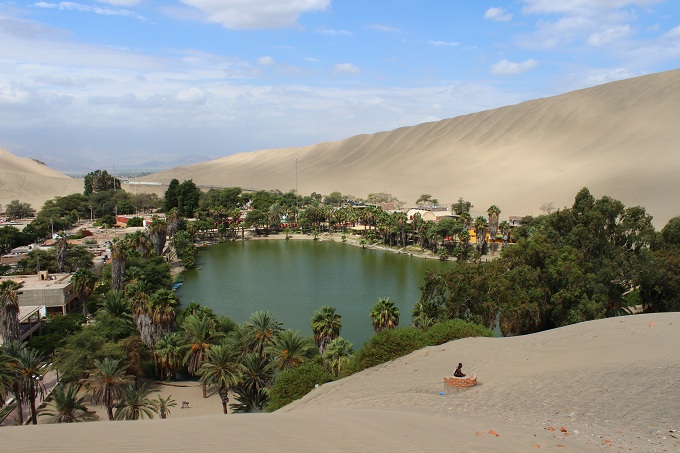
Dismissing the Peruvian desert as merely endless sand misses the point entirely. This landscape is far more complex and dynamic than most people realize. While iconic dunes like those around Huacachina are a draw, they represent just one facet. The desert stretches for thousands of kilometers along the coast, shaped by the cold Humboldt Current, creating a unique arid environment that paradoxically supports life and preserved human history for millennia. It’s an active canvas of geology, biodiversity, and archaeological wonders.
The misconception that deserts are lifeless voids prevents travelers from exploring rich coastal reserves, dramatic canyons, and oases that burst with life. This desert is not the Sahara; it is a coastal desert, offering stark contrasts from ocean to arid interior. Understanding this diversity is the first step to truly appreciating its potential. You will find more than just sand; you will discover a rich tapestry of experiences.
Beyond Huacachina: Paracas and Nazca
While the oasis town of Huacachina is justifiably famous for its towering dunes and thrilling dune buggy rides, it serves as an entry point, not the entirety of the desert experience. Just a short drive away lies the Paracas National Reserve, a protected area where the desert meets the Pacific Ocean in a spectacular display of cliffs, beaches, and marine wildlife. Here, you can take boat tours to the Ballestas Islands, often called "the poor man’s Galápagos," to observe sea lions, Humboldt penguins, and countless seabirds in their natural habitat. The reserve itself, with its unique red sand beaches like Playa Roja, is a testament to the desert’s geological diversity.
Further south, the enigmatic Nazca Lines etch giant geoglyphs into the desert floor. These ancient designs, visible primarily from the air, range from animals to geometric patterns, hinting at a sophisticated pre-Incan civilization. A flight over the Nazca Lines is a profound experience, revealing the scale of this ancient artwork and the vastness of the desert that has preserved it for centuries. These sites demonstrate that the Peruvian desert is not monotonous but a series of distinct, captivating regions, each offering a different window into nature and history.
Unique Flora and Fauna
Despite its aridity, the Peruvian desert supports a surprising array of life, adapting to harsh conditions. The unique Lomas formations, coastal hills that capture fog from the Pacific, allow for temporary bursts of vegetation during certain seasons, supporting specialized plant species and insects. Birdwatchers will find migratory species along the coast, and even within the drier zones, resilient plants like cacti and scrub thrive. The marine life off the desert coast is exceptionally rich due to the Humboldt Current, drawing diverse fish, mammals, and birds to the waters of Paracas. Understanding this biodiversity adds a layer of appreciation to your desert exploration, proving it is far from barren.
Navigating Peru’s Desert: Prime Seasons and Strategic Routes
Planning your visit to the Peruvian desert involves more than just picking a date; it requires understanding the nuances of weather, travel logistics, and how to connect key sites efficiently. Unlike the high Andes, which have distinct dry and rainy seasons, the desert experiences more subtle variations, primarily related to temperature and coastal fog. Incorrect timing can mean sweltering heat, thick fogs obscuring views, or navigating less-than-ideal road conditions.
Travelers often assume any time is fine for desert regions due to constant sun, but coastal deserts like Peru’s have unique microclimates. The period between May and November, for example, is often characterized by "garúa" – a persistent, fine mist or fog, especially prevalent in areas closer to Lima and Paracas. While this keeps temperatures cooler, it can reduce visibility for scenic drives or flights over the Nazca Lines. For optimal experiences, aligning your visit with clearer skies and comfortable temperatures is key to unlocking the desert’s full potential.
Optimal Travel Windows
The best time to visit the Peruvian desert for clear skies and pleasant temperatures is typically from December to April. During these months, the coastal fog (garúa) lessens significantly, providing excellent visibility for activities like flying over the Nazca Lines or enjoying the coastal views in Paracas. Temperatures in Ica, near Huacachina, can range from a comfortable 20-28°C (68-82°F) during the day, making sandboarding and dune buggy tours enjoyable. Nights remain cool, often dropping to 15-18°C (59-64°F), so layering is still essential. This period aligns with Peru’s summer, meaning local tourism might be higher, but the weather advantages often outweigh the increased crowds. Conversely, the cooler, foggier months from May to November, while offering a reprieve from heat, can obscure some of the desert’s most iconic vistas.
Connecting the Desert Highlights
A common mistake is treating each desert attraction as an isolated trip. The most efficient way to experience the Peruvian desert is to follow a logical route. Most travelers begin their desert adventure from Lima, heading south along the Pan-American Highway (Route 1S). Here’s a recommended flow:
- Lima to Paracas (approx. 3-4 hours): This is the first major stop. Stay overnight to fully explore the Paracas National Reserve and take a morning boat tour to the Ballestas Islands.
- Paracas to Ica/Huacachina (approx. 1 hour): A short, easy drive connects these two points. Ica is known for its pisco distilleries, while Huacachina offers the iconic oasis experience. Spend at least one full day here for dune activities.
- Ica to Nazca (approx. 2-3 hours): From Ica, continue south to Nazca. Most Nazca Lines flights depart in the morning, so plan to arrive the afternoon before or take an early morning bus.
Consider the distances: Lima to Nazca is roughly 450 kilometers (280 miles). While public buses are widely available and generally reliable (Cruz del Sur and Oltursa are reputable companies), private transfers or renting a car offer more flexibility, especially for photography stops or exploring off-the-beaten-path locations within the reserves. Always account for potential traffic, especially near Lima.
Vehicle Choice: Why a 4×4 Matters
While the main highways are paved and accessible by standard vehicles, venturing into the true desert environment, especially for dune exploration or reaching remote parts of the Paracas National Reserve, demands a 4×4 vehicle. Standard cars risk getting stuck in sand or damaging their undercarriage on rough terrain. For dune buggy tours in Huacachina, licensed operators use specially modified vehicles built for extreme conditions, ensuring safety and performance. If you plan to rent a vehicle for self-exploration beyond paved roads, choose a robust model like a Toyota Hilux or Land Cruiser. Ensure it has good ground clearance and four-wheel drive capabilities. Always travel with recovery gear and a reliable GPS, and inform someone of your route if you are venturing into less-traveled areas.
Essential Gear for Peruvian Desert Expeditions: Don’t Get Caught Unprepared
The desert environment, with its intense sun, fluctuating temperatures, and lack of immediate resources, demands careful preparation. Overlooking crucial gear can turn an exciting adventure into a miserable ordeal. This isn’t just about comfort; it’s about safety. Many travelers underestimate the sun’s intensity or the rapid temperature drops after sunset. Packing smart means packing for extremes.
Here are the essential items you need to conquer the Peruvian desert:
-
Hydration Systems and Water Storage
Dehydration is the biggest threat in the desert. You need to carry significantly more water than you think you will. Aim for a minimum of 3-4 liters per person per day for active exploration. A good quality hydration pack from brands like CamelBak (2-3 liter capacity) allows you to sip continuously, while a sturdy reusable water bottle (e.g., a Nalgene 1-liter bottle) provides backup. Consider electrolyte tablets to replenish salts lost through sweat. Always confirm water availability at your accommodations and carry extra for emergencies. Do not rely on finding water sources in the desert itself.
-
Sun Protection Beyond Sunscreen
The sun in the Peruvian desert is relentless, especially at midday. Sunscreen alone is insufficient. You need a multi-pronged approach. Invest in a wide-brimmed hat that shades your face and neck. Wear lightweight, long-sleeved shirts and pants made of UPF (Ultraviolet Protection Factor) fabric. These provide a physical barrier against harmful UV rays. Sunglasses with 100% UV protection are non-negotiable to protect your eyes from glare and intense light. For sunscreen, opt for a high SPF (50+) and broad-spectrum formula, such as La Roche-Posay Anthelios SPF50+, and reapply frequently, especially after sweating or any water activities.
-
Layering for Extreme Temperatures
Deserts are famous for drastic temperature swings. While days can be scorching, nights can become surprisingly cold. Effective layering is critical. Start with a moisture-wicking base layer to manage sweat. Add an insulating mid-layer, like a fleece jacket, for warmth. A lightweight, windproof outer shell is essential for protection against desert winds and cooler evenings. Even in seemingly warm weather, pack a compact down jacket or a warm sweater if you plan to be out after sunset or for early morning excursions. Never underestimate the evening chill.
-
Appropriate Footwear and Sand Protection
Your choice of footwear impacts comfort and safety. For general travel and walking around towns like Ica or Paracas, comfortable walking shoes are fine. However, for dune activities (sandboarding, buggy rides, walking on sand), closed-toe shoes are preferable to protect against hot sand and potential abrasions. Some prefer sturdy trekking sandals (e.g., Teva or Chaco) that can handle sand and water, but be mindful of sun exposure on your feet. Gaiters can be useful to prevent sand from entering your shoes, though most casual visitors won’t need them. Always empty sand from your shoes regularly to prevent blisters.
-
First Aid, Navigation, and Communication
A basic first-aid kit with essentials like bandages, antiseptic wipes, pain relievers, and any personal medications is crucial. Given the remote nature of some desert areas, reliable navigation is important. While tour guides will handle this, if you’re exploring independently, a fully charged phone with offline maps (Google Maps, Maps.me) and a portable power bank are vital. Consider a satellite messenger for truly remote treks, though this is usually unnecessary for popular tourist routes. Always inform someone of your itinerary, especially if venturing off main roads.
Experiencing the Desert: Your Questions Answered
Is Desert Travel in Peru Safe?
Generally, desert travel in Peru is safe, provided you take standard precautions and use reputable operators. The popular tourist areas like Huacachina, Paracas, and Nazca are well-accustomed to visitors. However, "safe" does not mean "risk-free." Always book tours, especially dune buggy and sandboarding experiences, through established companies with good safety records and certified guides. Avoid venturing into remote desert areas alone or without experienced local guides, as getting lost or encountering vehicle trouble can be serious. Petty theft can occur in crowded areas, so keep valuables secure and out of sight. Trust your instincts; if a situation feels unsafe, remove yourself. Traveling with a group or a trusted companion is always a good idea, particularly when exploring less populated zones.
What Activities Should I Prioritize?
The Peruvian desert offers a diverse range of activities, catering to both adrenaline junkies and history buffs. Prioritizing depends on your interests and time:
- Dune Buggy and Sandboarding in Huacachina: This is a quintessential desert experience. The thrill of speeding over massive dunes in a custom-built buggy, followed by sandboarding down steep slopes, is unforgettable. Allocate at least half a day for this.
- Nazca Lines Flight: A 30-minute aerial tour is the only way to truly appreciate the scale and mystery of the ancient Nazca geoglyphs. Book with a reputable airline for safety and better views. Mornings are often best for clearer skies.
- Ballestas Islands and Paracas National Reserve Tour: From Paracas, take a morning boat tour to the Ballestas Islands to witness incredible marine biodiversity. Combine this with an overland tour of the Paracas National Reserve to explore stunning coastal landscapes and pristine beaches. This easily fills a full day.
- Pisco Distillery Tour in Ica: Experience Peru’s national spirit by visiting a local pisco vineyard. Learn about the production process and enjoy tastings. This is a relaxed cultural activity, usually taking a few hours.
If you have limited time, prioritize Huacachina for adventure and either Nazca for history or Paracas for nature. With more time, combine all three for a comprehensive desert itinerary.
How Can I Respect the Environment and Local Culture?
Responsible tourism is crucial in fragile desert ecosystems and local communities. Here’s how to ensure your visit is positive:
- Leave No Trace: This is . Pack out everything you pack in, including all trash (plastic bottles, food wrappers). Do not leave anything behind in the desert or on the beaches. Use designated waste bins.
- Support Local: Choose local guides, eat at local restaurants, and buy souvenirs directly from artisans. This ensures your tourism dollars directly benefit the community. For example, when in Ica, look for smaller, family-run pisco bodegas rather than only large commercial operations.
- Respect Wildlife: When visiting places like the Ballestas Islands, maintain a respectful distance from animals. Do not disturb wildlife or their habitats. Follow your guide’s instructions regarding interaction.
- Conserve Resources: Water is precious in the desert. Be mindful of your water consumption at accommodations.
- Cultural Sensitivity: Dress modestly, especially when visiting local villages or religious sites. Always ask for permission before taking photos of people. Learn a few basic Spanish phrases to interact respectfully with locals. Understanding and respecting local customs enhances your experience and fosters positive relations.
Choosing Your Desert Guide: Quality Over Cost
The success of your Peruvian desert adventure often hinges on the quality of your tour operator and guide. While budget is always a consideration, prioritizing the cheapest option can compromise safety, experience, and ethical practices. The desert is an environment where local expertise is invaluable, from navigating dunes to understanding ancient history.
Evaluating Tour Operators
When selecting a tour operator for activities like dune buggy rides, Nazca Lines flights, or Paracas tours, ask specific questions and look for key indicators of quality:
- Licensing and Certification: Ensure the operator is officially licensed and their guides are certified, especially for adventure activities. For Nazca Lines flights, check the airline’s safety record and maintenance.
- Safety Standards: Inquire about safety briefings, emergency protocols, and the condition of their equipment (vehicles, safety harnesses, life vests for boat tours).
- Experience and Reputation: Look for companies with a long history of operation and positive reviews on platforms like TripAdvisor. Local recommendations can also be valuable.
- Group Size: Smaller groups often allow for a more personalized experience and better interaction with your guide.
- Language Proficiency: Confirm that your guide speaks your preferred language fluently, especially for historical or ecological tours where detailed explanations are crucial.
- Inclusions and Exclusions: Understand exactly what is covered in the price (transport, entry fees, meals, equipment rental) to avoid hidden costs.
A good guide does more than just drive you around; they offer insights into the region’s history, ecology, and culture, enhancing your understanding and appreciation of the Peruvian desert.
Here’s a summary of key considerations when selecting a desert guide or tour:
| Feature | Budget Operator (Potential Risks) | Reputable Operator (Recommended) |
|---|---|---|
| Safety Standards | Minimal, older equipment, less training. | High, modern well-maintained equipment, certified guides, clear protocols. |
| Guide Quality | Limited language skills, basic information, less engaging. | Fluent in multiple languages, in-depth knowledge, passionate, interactive. |
| Vehicle/Equipment | Poorly maintained, older models, less comfortable. | Modern, well-serviced, comfortable, appropriate for terrain (e.g., specific 4x4s). |
| Transparency | Hidden costs, unclear itinerary. | All-inclusive pricing, detailed itinerary provided upfront. |
| Ethical Practices | May not support local communities, potentially less eco-friendly. | Emphasizes local support, responsible tourism, Leave No Trace principles. |
Investing in a reputable operator is an investment in a safer, richer, and more authentic desert experience. Do your research, read reviews, and ask direct questions to ensure your trip is everything you hope for.