
Costa Rica Travel Guide 2026 Pura Vida Lifestyle: Costa Rica Travel Guide 2026: The Real Pura Vida Nobody Mentions
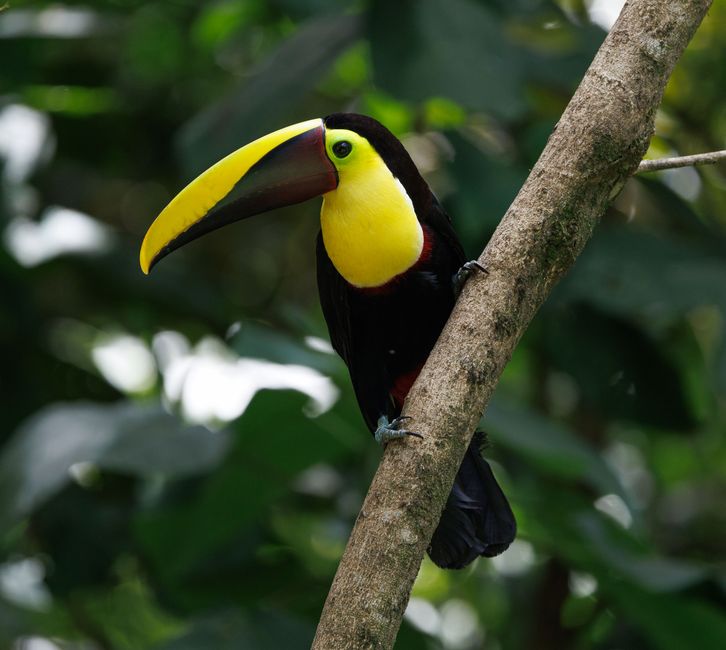
You land in Liberia at 2 p.m., grab a rental car, and immediately hit traffic that makes no sense. A man selling pipas from a cooler waves. He’s not in a hurry. You are. That tension? That’s the first Pura Vida lesson nobody puts in the brochure.
Pura Vida isn’t a catchphrase. It’s a pace. And if you fight it, Costa Rica gets expensive and frustrating fast. If you learn it, you’ll understand why people cancel return flights.
What Pura Vida Actually Changes About Your Itinerary
Most travelers plan Costa Rica like Europe: four destinations in eight days. That’s a mistake. Costa Rica is small on a map but slow on the ground. A 90-mile drive can take four hours. Switchbacks, river crossings, cattle in the road, and a landslide that closed one lane last Tuesday.
The Pura Vida lifestyle isn’t about doing less. It’s about not pretending you can do everything. The people who enjoy Costa Rica most are the ones who pick two regions and stay put.
Three questions to ask before booking anything
First: Do I want Pacific dry season beaches or Caribbean green season rainforest? You can’t reliably have both in a short trip. The weather patterns are opposite. Guanacaste is bone-dry from December to April while the Caribbean coast around Puerto Viejo is getting hammered with rain. Flip it in June.
Second: Am I okay driving, or do I want shuttles? A 4×4 from Vamos or Adobe costs $65–$90 per day with mandatory insurance. Shared shuttles cost $50–$70 per person per leg. For two people, driving usually wins on flexibility. For solo travelers, shuttles often win on cost and stress.
Third: What am I actually willing to skip? If you say “nothing,” you’ll spend your entire trip in transit. Pick your top two. Let the rest go.
The pace that works in 2026
Ten days. Two bases. La Fortuna for volcano and rainforest, then Santa Teresa or Nosara for coast. Or Monteverde and Manuel Antonio. That’s it. The magic happens in the unplanned hours — the afternoon thunderstorm, the howler monkeys at dawn, the soda owner who teaches you to say casado con pescado correctly.
Real Costs Nobody Puts in the Brochure
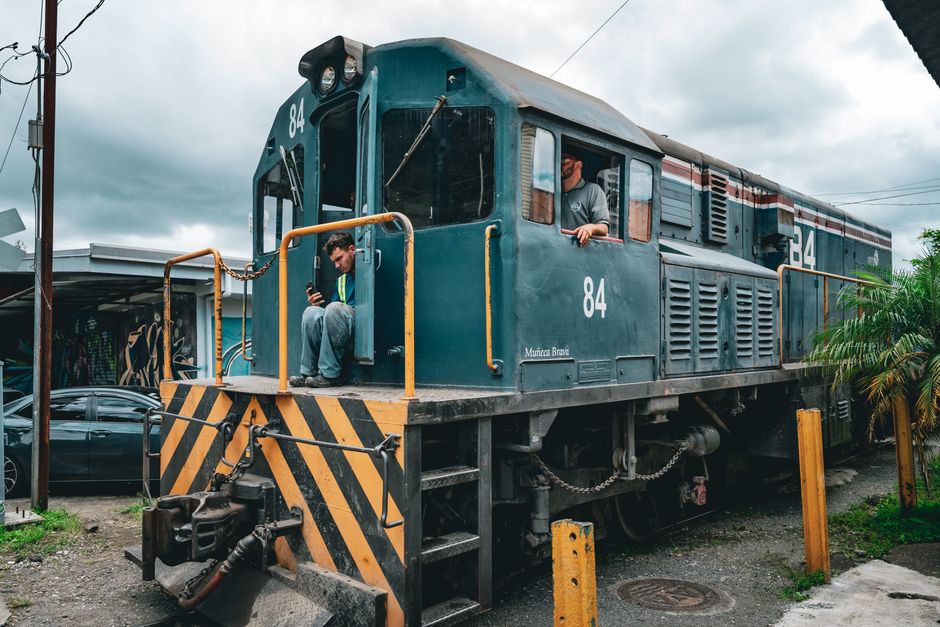
Costa Rica is not the cheap Central American destination people expect. It’s the most expensive country in the region by a wide margin. A basic casado at a soda runs $6–$9. A tourist restaurant meal runs $18–$30 per person. National park entry for foreigners now runs $18–$25 per person per park.
Here’s what a realistic daily budget looks like for 2026:
| Budget Level | Lodging | Food | Transport | Activities | Daily Total (per person) |
|---|---|---|---|---|---|
| Backpacker | $20–$35 hostel dorm | $15–$20 sodas and markets | $10–$15 local buses | $15–$25 one paid activity | $60–$95 |
| Mid-range | $80–$140 private room or small hotel | $35–$50 mix of sodas and restaurants | $25–$40 rental car share | $40–$80 guided tour or entry fees | $180–$310 |
| Comfort | $180–$350 boutique lodge or resort | $60–$90 restaurants | $50–$70 private driver or 4×4 | $100–$200 tours and private guides | $390–$710 |
The biggest budget killer isn’t lodging. It’s activities. Zip-lining in Monteverde costs $60–$90. A guided night walk costs $35–$50. Whitewater rafting on the Pacuare runs $100–$120. You can easily spend $500 per person on activities in a week without noticing.
My pick: budget for one big activity every other day. On the off days, hike, swim at waterfalls, sit on the beach. The country’s best experiences are often free.
The Weather Is Two Different Countries
Costa Rica has no real winter. It has dry season and green season. What matters more is which coast you’re on and what elevation you’re at.
Guanacaste and the Nicoya Peninsula get almost no rain from December through April. By March, the hills are brown and the dust is real. The Caribbean coast around Puerto Viejo and Tortuguero is wettest from December through February and driest in September and October. Monteverde and the cloud forest are misty year-round, with the clearest skies from February through April.
If you want reliable beach weather in July, go to the Caribbean. If you want dry heat in January, go to Guanacaste. Booking the wrong coast in the wrong month is the single most common planning failure I see.
When NOT to go
Skip the week between Christmas and New Year’s unless you booked six months out and accept double prices. Skip Easter week if you want empty beaches — half of San José heads to the coast. September and October are the rainiest months on the Pacific side, and some lodges close entirely.
Renting a Car Without Getting Burned
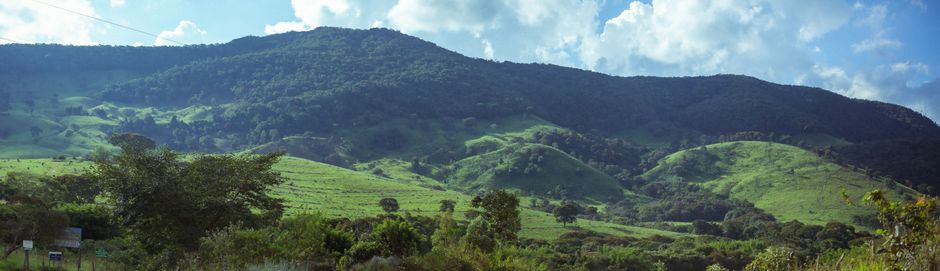
The rental car situation in Costa Rica is famously deceptive. You’ll see a rate of $12 per day and think you’ve found a deal. Then you arrive and the mandatory liability insurance adds $20–$40 per day. Your credit card CDW doesn’t cover the mandatory third-party liability. You will pay it. No way around it.
Book with a Costa Rican company that quotes the full price upfront. Vamos and Adobe consistently get good reviews for this. A compact 4×4 like a Suzuki Jimny or a Toyota Rush runs $65–$85 per day all-in after insurance. A smaller sedan like a Hyundai Accent runs $45–$60 per day if you’re staying on paved roads.
You do not need a 4×4 for most main routes. You do need one for Santa Teresa, Montezuma, parts of the Osa, and many hotels off the main roads. If your lodging says “4×4 recommended,” believe them. The road to your Airbnb in the hills is not the same road Google Street View saw.
Insurance you should actually take
Take the full coverage. Roads flood. Branches fall. Rental cars in Costa Rica get dented. The peace of mind is worth the extra $15 per day. If you decline coverage, the company will put a hold of $1,500–$3,000 on your card. Not worth it.
Where to Actually Go in 2026
Skip San José beyond one night. It has a couple of good museums and some excellent restaurants, but it’s a gritty capital city, not a destination. Fly into Liberia if you’re headed to Guanacaste or the Nicoya Peninsula. Fly into San José if you’re headed to La Fortuna, Monteverde, the Caribbean, or the Osa.
- La Fortuna and Arenal: The volcano is the postcard, but the hot springs and waterfalls are the actual draw. Tabacon and The Springs are the luxury thermal options. Free options exist too — the river below Tabacon is warm and public. Entry to Arenal Volcano National Park is $18 for foreigners.
- Monteverde: Cloud forest, zip lines, and the best birding in the country. The Monteverde Cloud Forest Reserve entry is $26. Go early, before the tour buses. The resplendent quetzal is most visible from February through May.
- Santa Teresa and Nosara: Surf towns with yoga studios and $15 smoothie bowls. Nosara is more polished. Santa Teresa is dustier and more chaotic. Both are expensive. A beachfront hotel room in high season runs $200–$400.
- Puerto Viejo and the Caribbean: Laid-back, Afro-Caribbean culture, reggae, and the best food in the country. Cahuita National Park is $6 and has better wildlife viewing than many pricier parks.
- The Osa Peninsula: The wildest, most expensive, most rewarding corner of Costa Rica. Corcovado National Park requires a guide and a permit. This is where you go if you want to see tapirs and scarlet macaws without crowds.
My pick for a first-timer in 2026: La Fortuna for four nights, then Santa Teresa or Nosara for five. It’s the classic route for a reason. You get volcano, rainforest, hot springs, and beach without spending half your trip in a car.
The Pura Vida Problem Nobody Names
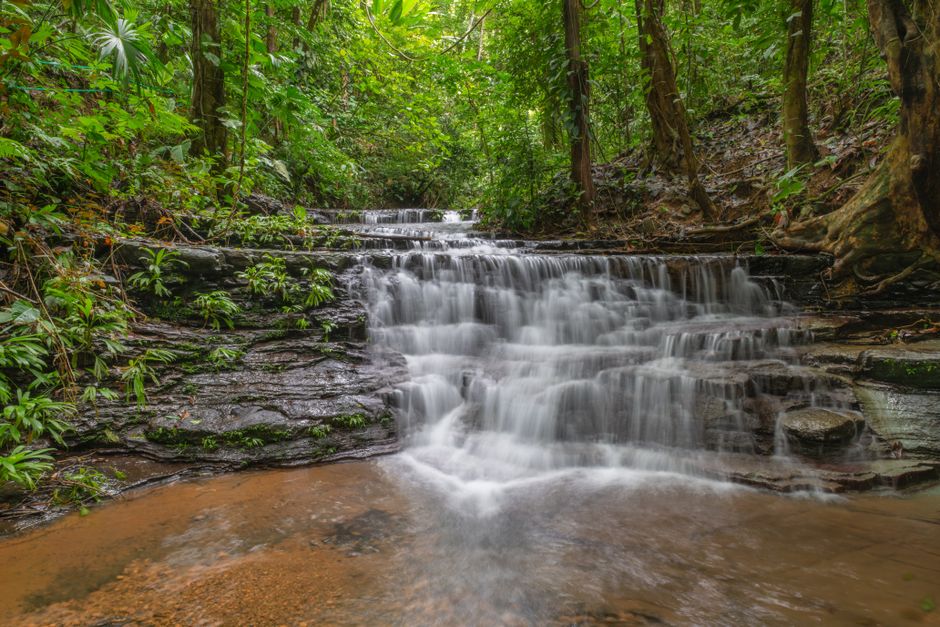
Here’s the uncomfortable part. Pura Vida is real, but it’s also a marketing tool. The phrase gets slapped on t-shirts, real estate listings, and Instagram captions by people who left the city six months ago. The Costa Rica you see online — empty beaches, pristine jungle, no one around — is increasingly a product of careful cropping and 5 a.m. alarm clocks.
The country is dealing with real pressure. Overtourism in Manuel Antonio and Tamarindo. Water shortages in Santa Teresa during dry season. A housing crisis pushing locals out of beach towns they grew up in. The Pura Vida lifestyle exists, but it’s under strain from the very tourism that celebrates it.
That doesn’t mean don’t go. It means go with eyes open. Stay at locally owned places. Eat at sodas. Hire local guides. Tip in colones. Learn enough Spanish to greet people properly. The best version of Costa Rica reveals itself to travelers who treat it as a place, not a backdrop.
Pura Vida is not something you buy. It’s something you practice. And it starts with slowing down enough to notice that the man selling pipas by the side of the road isn’t stuck in traffic. He’s exactly where he wants to be.
The question isn’t whether Costa Rica will change you. It’s whether you’ll let it. The country will still be there in 2030. The question is what kind of traveler you’ll be when you arrive.

0