
Kyoto Cherry Blossom Season: Early Spots and Best Timing
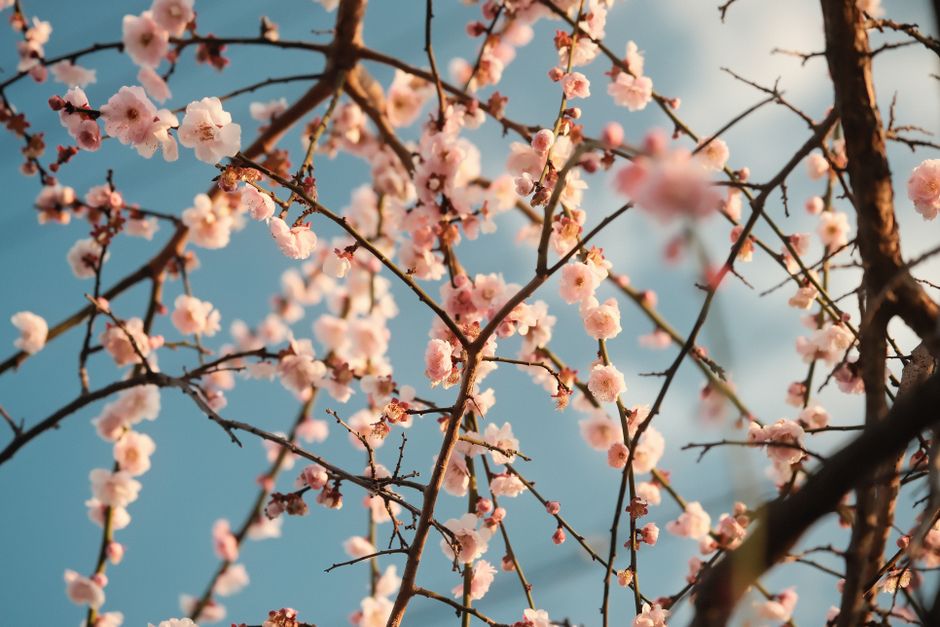
The safest plan for Kyoto cherry blossom season is to treat late March through the first week of April as the main window, then build one early-blooming and one late-blooming backup into your itinerary. Central Kyoto often reaches peak colour around the end of March or start of April, while Yamashina can offer blossoms in mid-March and northern areas can still have flowers after the city centre has passed its best.
Bloom dates move with temperature, rain, wind, tree variety, and elevation. The official Kyoto Travel calendar tracks individual locations rather than declaring one citywide opening day. That distinction matters: a visitor who misses the Somei Yoshino peak may still find weeping cherries, wild mountain cherries, or late-blooming Omuro cherries elsewhere.
Where can you see early sakura before central Kyoto?
Start in Yamashina for a mid-March possibility
Yamashina is the strongest early-sakura area for travellers who want a realistic alternative to central Kyoto. Kyoto Travel identifies Oishi Shrine and nearby Iwaya Temple as places that can offer an early viewing opportunity in mid-March. Zuishin-in Temple, reached from Ono Station, is another useful option because its spring display can combine plum and cherry blossoms.
Yamashina Sosui Canal is a different proposition. The canal runs for roughly four kilometers and is lined with cherry trees, creating a long walking route rather than one crowded viewing platform. Yamashina Station is only one stop from Kyoto Station, which makes the area practical for a short morning check. The canal may bloom later than the earliest trees, so it works best as a flexible half-day plan rather than a guaranteed March 12 spectacle.
Use variety and elevation as your backup system
Cherry trees do not all follow the same calendar. Hirano Shrine has approximately 400 trees across about 60 varieties, including shidarezakura, so its flowering period can stretch from early to later spring. Nakaragi Path beside the Kamo River is known for benishidarezakura, a deep pink weeping variety that does not follow the exact schedule of the dominant Somei Yoshino.
For an early trip, the most reliable method is to select two different tree types and two different elevations. Visit Yamashina first, then keep Hirano Shrine or another mixed-variety garden as a second option. This approach solves a common failure mode: spending an entire day chasing a single famous row of trees that happens to be five days behind the forecast.
Oishi Shrine is the best early-season verdict for quiet scenery; Yamashina Sosui Canal is the better choice for a longer walk; Hirano Shrine is the strongest choice when you want a wider flowering range. The official Yamashina spring guide gives current access details and local alternatives.
What is the best Kyoto route when your dates are fixed?
Choose the route that matches the bloom report, not the route that looks most famous on a map. A fixed-date visitor should limit transfers, start early, and keep one nearby substitute ready. Kyoto’s crowded buses can turn a short distance into a long wait during peak season, so a route based on rail and walking is often the better call.
Route A: early season or uncertain central bloom
- Begin at Kyoto Station and travel to Yamashina.
- Check Oishi Shrine or Zuishin-in Temple, depending on the latest local report.
- Walk part of Yamashina Sosui Canal if the trees are progressing.
- Return toward central Kyoto before the evening commuter rush.
The Kyoto City Subway & Bus 1-Day Pass costs ¥1,100 for adults and covers Kyoto City Subway, Kyoto City Bus, selected Kyoto Bus routes, Keihan Bus routes, and selected West Japan JR Bus services. It is a day ticket, not a rolling 24-hour pass. It can make sense for a day with several subway and bus rides, but it is not automatically cheaper than individual fares.
Route B: central peak with a late-day alternative
- Start at the Philosopher’s Path or Okazaki Canal before 8:00 a.m.
- Walk toward Nanzen-ji and continue only if crowd levels remain manageable.
- Use the subway for the next district instead of forcing a bus transfer.
- Finish at Maruyama Park or Yasaka Shrine after the main morning crowds shift.
The Kyoto City Subway 1-Day Pass costs ¥800 for adults, while the standard Kyoto City Bus fare is ¥230 and the sightseeing-limited EX100 and EX101 buses cost ¥500 per ride. An ICOCA card or Mobile Suica is usually simpler for one or two rides. The clear transport verdict is the subway pass for a rail-heavy day, the combined pass for a mixed day with at least several covered rides, and an IC card for a light itinerary.
Which Kyoto sakura spots bloom later than the city centre?
Does Ninna-ji bloom late?
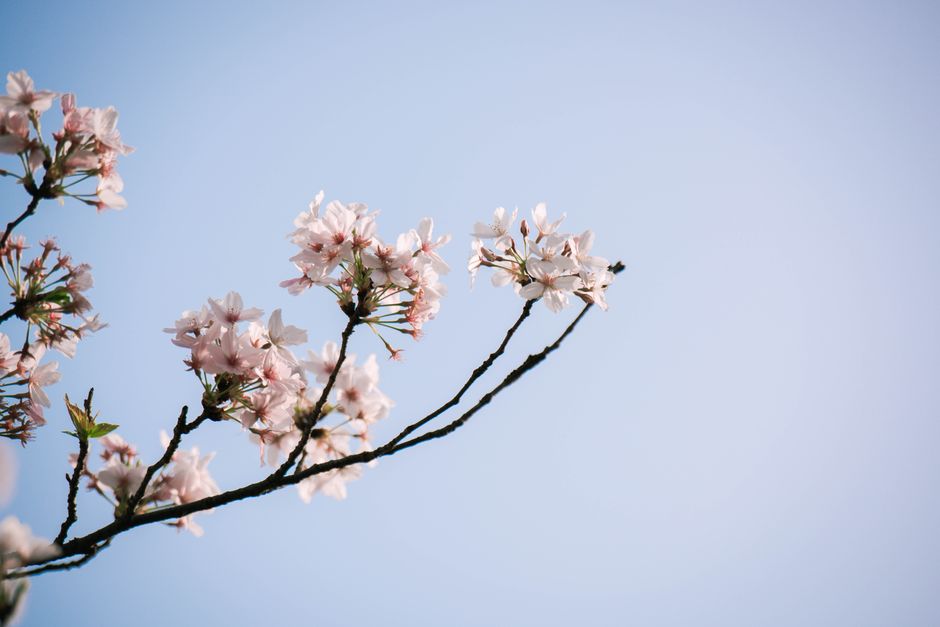
Yes. Ninna-ji is known for Omuro-no-sakura, a short-growing late-blooming variety. Its usual viewing period often falls in early to mid-April, after many central Somei Yoshino trees have reached full bloom or begun to lose petals. That makes Ninna-ji one of the best rescue options for a trip scheduled after April 5. The exact date still changes each year, and admission arrangements can vary during the special viewing period.
Are northern and mountain areas worth the extra time?
They can be, especially after the centre has passed its peak. Kyoto Travel reports that Keihoku, because of its higher latitude and elevation, can bloom approximately one to ten days later than central Kyoto. Haradani-en and nearby northern locations also offer later or mixed varieties, but they may require more planning and can have separate admission or transport arrangements.
The tradeoff is clear. Central Kyoto provides the strongest combination of famous scenery, simple access, and dense historic landmarks. Northern Kyoto provides a better chance of finding flowers after the central window, but the journey takes longer and the weather can feel cooler. Use the later areas when the official report shows the centre is past peak, not simply because they sound less crowded.
A late trip should not be judged by whether the Philosopher’s Path still has perfect blossoms. Judge it by the range of varieties available on that date. The official Keihoku guide is the useful reference for delayed flowering and mountain access.
What mistakes ruin a Kyoto cherry blossom trip?
The biggest mistake is treating a citywide average as a reservation. Kyoto has different species, districts, and elevations, so one missed peak does not end the season.
Mistake: booking around one exact bloom date
Do not build a five-day trip around a single prediction such as March 30. Forecasts describe probability, while wind and rain can shorten the best display. Keep one early location, one central location, and one late location on your list. Check the official report each morning, then commit to the area with the strongest evidence.
Mistake: arriving late and blaming the location
Maruyama Park, the Philosopher’s Path, Arashiyama, and major temple districts become difficult during the late morning peak. Arriving at 7:00 or 8:00 a.m. usually gives better walking conditions, clearer photographs, and fewer blocked paths. Do not enter closed gardens, reserve picnic space illegally, or stop in narrow lanes for photographs. Respecting residents is part of getting the trip right.
For a traveller who arrives in Kyoto on March 20 and finds the central trees still bare, the resolution is practical: take the short journey to Yamashina, confirm the local report, and keep Ninna-ji or Keihoku for the later days. The opening problem was never finding one perfect date. It was building a plan that could follow the blossoms.

0