
Gorilla Trekking in Rwanda: Plan the Right Trek
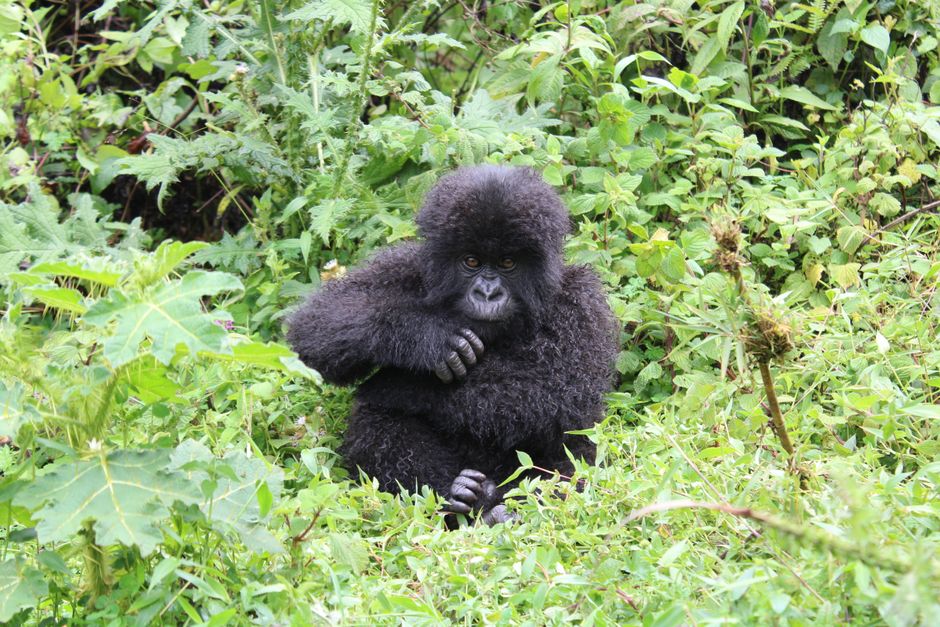
You arrive in Kigali with one big question: can you really leave the city, find a gorilla family, spend an hour in the forest, and return the same day? The common misconception is that gorilla trekking works like a safari drive, with a fixed route and an animal sighting guaranteed on a convenient schedule. It does not. You walk through steep mountain forest, at altitude, toward a family that moved since yesterday. The permit buys access to a carefully managed experience, not a shortcut through the jungle.
That uncertainty is part of the point, but poor planning can turn it into a very expensive, wet, exhausting morning. The right approach is to book the permit first, sleep close to the park, train for uneven ground, and leave enough time for the forest to set the pace.
How much does gorilla trekking in Rwanda cost in 2026?
Start with the permit because it controls the rest of the budget. That fee explains why this trip feels less like a normal wildlife excursion and more like a major travel purchase.
Official permit prices by visitor category
These rates come from the Rwanda Development Board booking system and official tourism information. Check the category carefully before paying through the Rwanda Development Board booking portal. A cheaper category without the right documents will not help at park check-in.
What the permit does not include
The permit is not a complete trip package. You still need accommodation, transport from Kigali or Musanze, meals, travel insurance, and a tip for your porter if you hire one.
If that price would make the rest of the holiday stressful, choose golden monkey tracking, a Dian Fossey hike, or another Rwanda wildlife experience instead. A cheaper trip enjoyed fully beats a gorilla permit that leaves no room for transport problems, wet-weather gear, or an extra night near the park.
How difficult is the Volcanoes National Park trek?
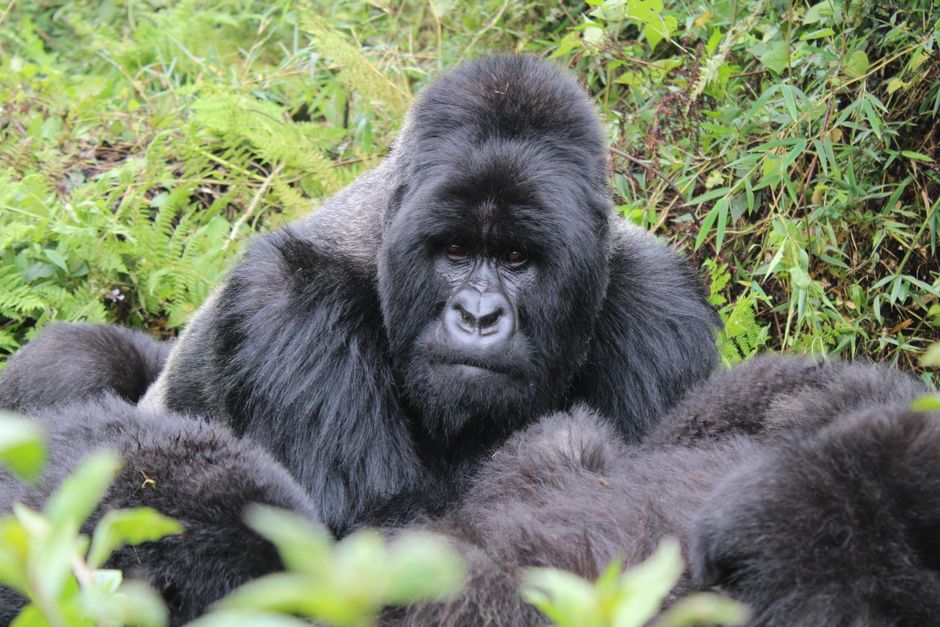
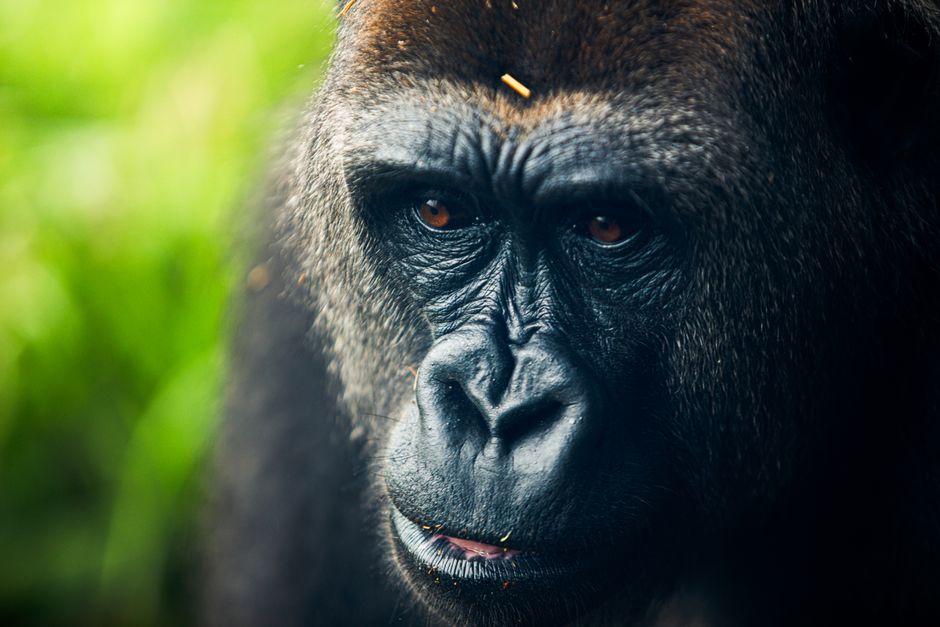
My clear verdict: plan for a strenuous mountain hike, even if you usually manage easy day walks. Some visitors reach their assigned gorilla family after a relatively short climb. Others walk for several hours through bamboo, wet ground, tangled vegetation, and steep slopes. The park sits high in the Virunga mountains, and official guidance places tracking routes roughly between 2,500 and 4,000 metres. Fitness helps, but it cannot predict the exact route because gorilla families move and guides allocate groups each morning.
What happens on the morning of the trek
Visitors gather at the park headquarters in Kinigi at 7:00 a.m. You attend a briefing, show the required documents, meet your guide, and receive a family assignment. Rangers and trackers have already been following the gorillas, so the team knows the likely direction of travel. You then drive or walk to the trailhead and start climbing.
Each tourist group can include up to eight visitors, and each habituated family receives only a limited number of visitors per day. The small group size protects the gorillas and gives the guide room to manage spacing, movement, and photographs. It also means available permits can disappear well before your flight date, especially for popular dry-season travel.
How to prepare your body for the climb
Six to eight weeks before departure, walk uphill for 60 to 90 minutes twice a week. Add stairs, uneven trails, or a treadmill incline. Once a week, carry a daypack weighing 4 to 6 kilograms. The goal is not speed. You need steady movement, confident footing, and enough reserve to climb after a poor night of sleep.
Altitude can make a familiar hill feel different. Slow down before you feel desperate for a break. Tell your guide early if you feel dizzy, unusually breathless, or unwell. Porters can carry your daypack and offer support on difficult ground; hiring one also gives direct income to a local worker. Do not treat a porter as a sign of failure. On muddy slopes, a free hand can prevent a fall.
What the one-hour encounter really means
Finding the gorillas does not start a long photo session. Visitors receive a maximum of one hour with the family, and the group may move during that time. The hour can feel short because you are watching real animals feed, rest, play, and respond to one another rather than waiting for a staged performance.
Keep your expectations realistic. You might see a silverback close to the trail, or you might spend much of the hour watching a family through leaves and branches. The official Rwanda gorilla-tracking guidance confirms the one-hour limit, the 7:00 a.m. meeting time, the minimum age of 15, and the wide range of possible hiking times. Rwanda is the better choice for travellers who want a tightly managed experience with strong logistics. It is the wrong choice for anyone expecting a guaranteed, low-effort wildlife viewing stop.
Which itinerary works best for a first gorilla trek?
Is one night near Volcanoes National Park enough?
One night is possible but too tight for most international visitors. Kigali to the Volcanoes region takes about three hours by road, and the trek begins early the next morning. If a flight delay, traffic problem, or delayed luggage affects the first day, you can lose the experience before it starts. Two nights near Kinigi or Musanze gives you an arrival afternoon, a full trekking morning, and time to recover before travelling onward. My pick for a first visit is three days: Kigali to the park on day one, gorilla trekking on day two, and a relaxed departure or golden monkey trek on day three.
Should you stay in Musanze or near Kinigi?
Musanze offers more choice at the lower and middle ends of the lodging market, while Kinigi reduces the morning transfer. If your permit is the central reason for the trip, stay as close to the park headquarters as your budget allows. A short drive at dawn is easier than leaving a distant hotel before sunrise with wet-weather traffic still ahead. Musanze works well when you also want restaurants, town errands, or extra hiking activities.
Can children or less active travellers join?
The minimum age for gorilla tracking is 15. There is no simple label that guarantees an easy route, because the family assignment changes the walking distance and slope. A less active adult can still succeed by training beforehand, hiring a porter, walking slowly, and telling the guide about limitations at the briefing. Someone with a serious heart, lung, joint, or balance problem should speak with a qualified medical professional before booking. If the mountain hike is not realistic, golden monkey tracking, Musanze Caves, cultural visits, or a guided forest walk can create a strong Volcanoes National Park trip without forcing the wrong experience.

0