
Bali Dry Season: Rice Terraces and Quiet Beaches
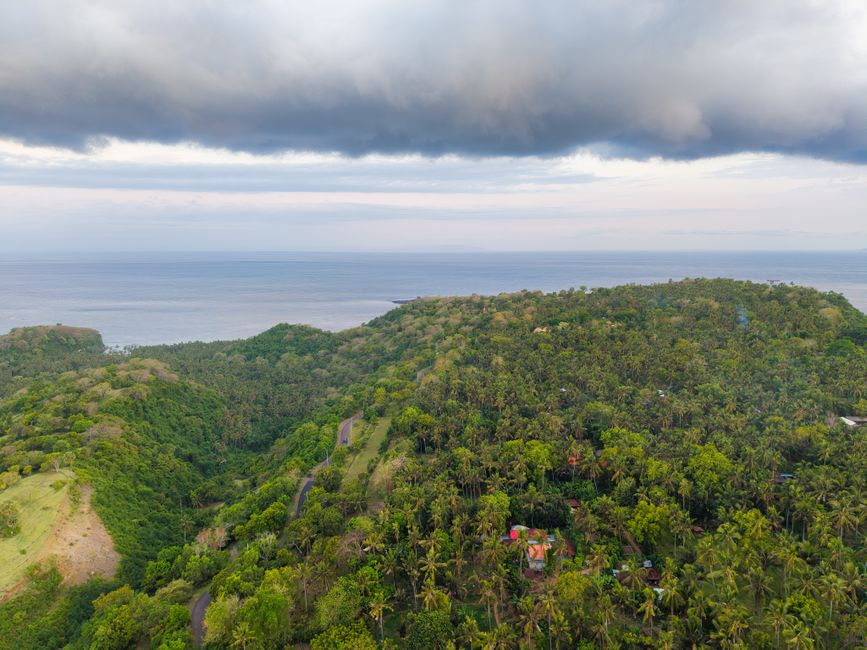
The dry season does not mean every day is sunny, every rice field is bright green, or every beach is quiet. That is the postcard version of Bali. The useful version is more specific: visit between May and June or September and October, start Ubud mornings early, and move east for beaches that still feel calm.
July and August bring the most reliable weather, but they also bring the highest demand. You can still have a good trip then. You just need a sharper route and less patience for famous places at midday.
When is Bali’s dry season actually best?
The weather window
Bali’s dry season usually runs from April through October. The clearest travel conditions tend to arrive from June through September, when rainfall drops and humidity often feels easier to handle. That does not create a perfectly dry island. Short showers still happen, especially in the hills around Ubud, and the mountains can collect clouds while the coast stays bright.
The crowd tradeoff
For the best balance, choose late May, June, or September. July and August win on weather but lose on traffic, room prices, and queues at major temples. April and October can be good value, although the weather is less predictable. In 2026, check the local forecast before planning a terrace walk because seasonal patterns can shift.
| Period | Weather | Crowds | Best use |
|---|---|---|---|
| April | Warm with changing rainfall | Moderate | Ubud and flexible itineraries |
| May to June | Mostly dry and bright | Moderate | Best overall balance |
| July to August | Driest and breezier | High | Beach time and diving |
| September to October | Warm with occasional showers | Lower | Quieter coast trips |
My pick is June or September. You get strong beach weather without accepting the full peak-season crush.
Why Ubud rice terraces are not always bright green
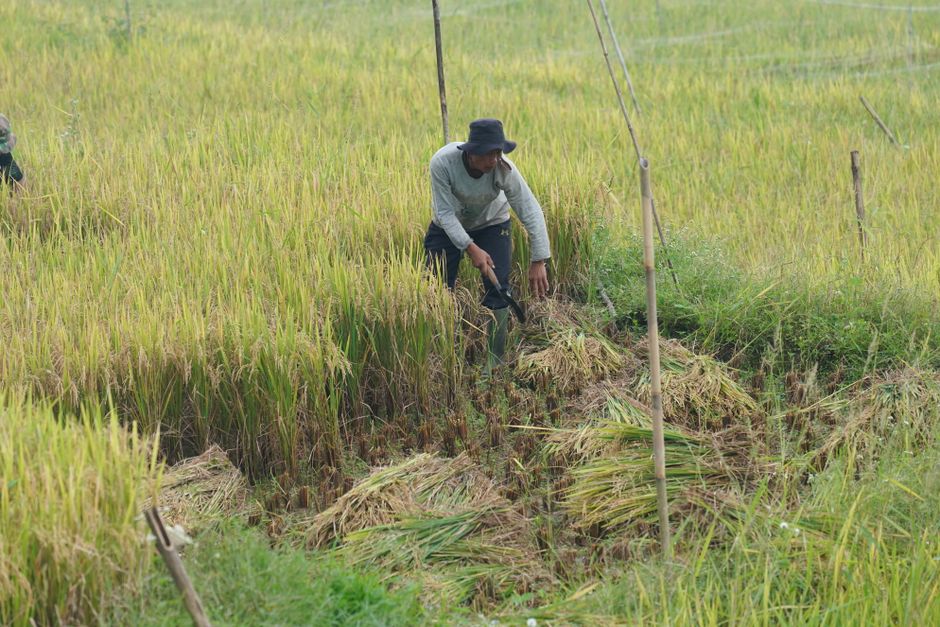
Rice is a crop, not a backdrop
The famous terraces around Ubud change colour because farmers plant, harvest, and replant at different times. A field may look neon green after planting, pale green before harvest, golden when the rice is mature, or muddy after workers clear it. The dry season can also make some paths dusty and some smaller plots less lush. That is normal. A photograph showing one perfect green slope does not represent every field in the area.
Choose the landscape, not just the viewpoint
Tegallalang is the easiest terrace area to reach from central Ubud, and it offers the classic stepped valley view. It is also the busiest and most commercial. Sidemen gives you wider rural scenery, fewer tour groups, and a stronger sense of working farmland, but the roads are slower and the viewpoints are less concentrated. Jatiluwih is the serious landscape choice: larger terraces, a longer drive, and more space to walk. It works best as a full-day trip rather than a quick photo stop.
The practical answer is simple. Go to Tegallalang for convenience, Sidemen for quiet, and Jatiluwih for scale. Do not judge the quality of a trip by the shade of one rice field.
How to see Ubud’s terraces before the crowds
Use this four-step morning plan
- Leave central Ubud between 6:30 and 7:00. The roads are cooler and much less crowded.
- Visit one main terrace area first, before adding cafés or markets to the route.
- Wear shoes with grip. Stone steps and narrow irrigation paths become slippery after rain, even in the dry season.
- Finish the walk by 10:30, then move to a shaded village, museum, or lunch stop.
Walk with respect for working farms
Stay on marked paths, keep away from planted beds, and ask before entering a narrow lane through a village. Some terraces charge a small local access fee; carry cash in Indonesian rupiah. The fee is not a nuisance. It helps maintain paths and supports the communities that keep the landscape functioning.
Do not book three separate terrace viewpoints in one morning. They often show the same valley from different angles, and traffic between them can consume the day. One focused walk beats a rushed checklist.
The best terrace strategy is early, slow, and limited. Ubud rewards attention more than speed.
Which quieter Bali beaches are genuinely worth the detour?

Pick the east coast for calm
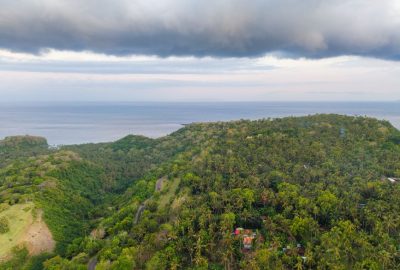
Sanur is the easiest quiet-beach choice from the airport, with a protected shoreline, a long paved coastal path, and calmer water at high tide. It is not empty, but it is far less frantic than Kuta or central Seminyak. For a more remote feel, Amed is better. Its black volcanic beaches, fishing boats, and clear water suit snorkeling and slow mornings. The tradeoff is distance: Amed is a poor choice for a quick airport stop.
Choose the beach for the activity
Virgin Beach near Candidasa works for a relaxed swim and a simple lunch, though conditions can change with waves and tide. Padangbai is better for boat connections and snorkeling than for lounging. Nusa Lembongan brings clear water and a slower island rhythm, but fast-boat schedules add risk to a tightly planned trip.
Use Bluebird for a metered taxi where available, and compare Grab or Gojek prices before committing to a private driver. App pickups can be restricted around airports, temples, and busy beach entrances, so confirm the meeting point. Budget roughly 50,000 to 150,000 rupiah for many short local rides, but expect more for long cross-island journeys.
For the quietest beach stay, choose Amed. For convenience, choose Sanur. For dramatic scenery and a stronger escape, choose Nusa Lembongan.
How should you connect Ubud and the quieter coast?
Should you stay in Ubud first?
Yes. Start with three nights in Ubud, then move east or southeast. Ubud is best before beach fatigue sets in because the early starts, walking, temples, and inland drives demand more energy. Three nights allow one terrace morning, one cultural day, and one slower day for cafés, galleries, or a village walk.
Which route wastes the least time?
The cleanest route is airport to Ubud, Ubud to Sidemen or Candidasa, then onward to Amed or Sanur. Do not sleep in Ubud and make repeated day trips to every coast. Bali looks compact on a map, but narrow roads, ceremonies, school traffic, and tourist bottlenecks stretch travel times. A private driver is useful for a full transfer day; a scooter only makes sense for experienced riders who understand local road conditions.
| Route | Typical drive time | Best reason |
|---|---|---|
| Airport to Ubud | 1.5 to 2.5 hours | Start inland |
| Ubud to Sidemen | 1.5 to 2 hours | Quiet rice-country scenery |
| Sidemen to Amed | 2 to 2.5 hours | Move from hills to snorkeling |
| Ubud to Sanur | 1 to 1.5 hours | Easy final beach stop |
Build the route around sleep locations, not attraction pins. That single decision saves more time than squeezing another viewpoint into the schedule.
What do dry-season visitors get wrong?
The biggest mistake
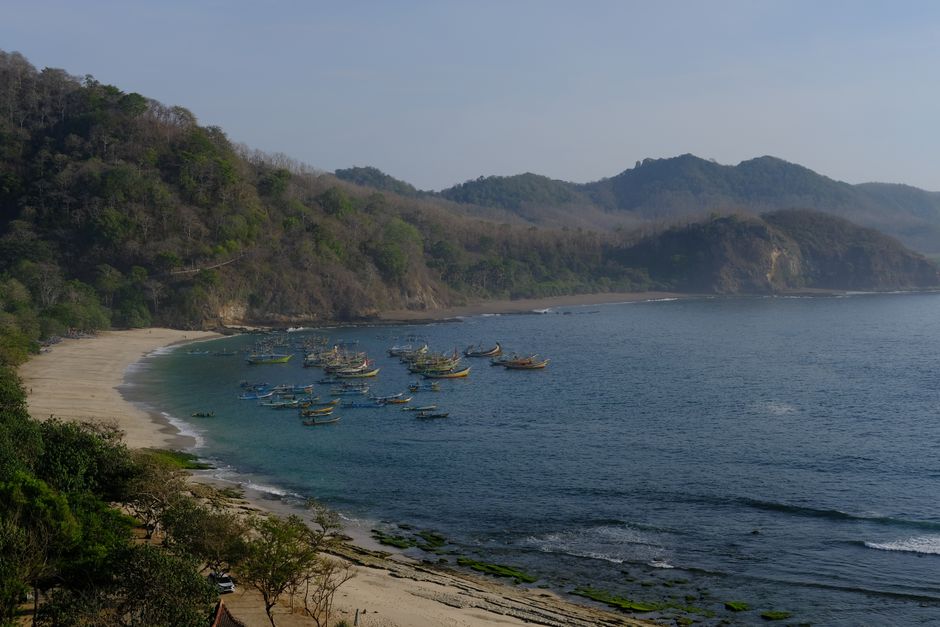
The biggest mistake is treating dry season as a guarantee of perfect conditions; Bali still has cloud, wind, heat, rough water, and occasional rain, while a terrace can look brown because farmers are between planting cycles rather than because anything has gone wrong.
The second mistake
The second mistake is chasing famous places at midday; the crowds, glare, heat, and traffic are worst then, so an early terrace walk followed by a shaded afternoon produces a better day than four rushed stops.
Pack a light rain shell, refillable water bottle, sun protection, sandals that can handle wet stone, and one warmer layer for Ubud evenings. Dry season is less humid, not cold. The sun remains strong, especially on exposed beaches and highland roads.
Skip a beach day when the sea is rough, skip a scooter when you are tired or inexperienced, and skip an overpacked route when every transfer takes longer than the map suggests. Those are not missed opportunities. They are how you keep the trip enjoyable.
What Bali dry-season itinerary would I choose?
Seven nights with a sensible pace
I would spend three nights in Ubud, two nights in Sidemen or Candidasa, and two nights in Amed or Sanur. The first Ubud morning would go to Tegallalang for convenience. The second inland day would go farther into the countryside, where the landscape feels less staged. After that, I would move east instead of returning to southern Bali traffic.
- Night 1: Arrive and sleep in Ubud.
- Day 2: Early Tegallalang walk, then a slow afternoon.
- Day 3: Ubud culture, food, and a short nature walk.
- Day 4: Transfer through Sidemen or Candidasa.
- Day 5: Rural roads, a temple visit, and a quiet coastal sunset.
- Day 6: Snorkeling or swimming around Amed, subject to sea conditions.
- Day 7: Return toward Sanur or the airport with generous travel time.
Why this plan works
It separates the two things visitors usually try to force into one day: inland scenery and beach recovery. You get terraces when the air is cool, coast time when the pace can slow down, and enough flexibility to move an activity if clouds or waves change.
The opening misconception was that Bali’s dry season automatically delivers green terraces and empty beaches. It does not. The smarter version is better: choose the shoulder months, visit farmland early, and go east when the famous southern coast feels crowded. That is how a dry-season Bali trip becomes calm instead of merely sunny.



0