
Mexico City in Spring: A Smarter Itinerary
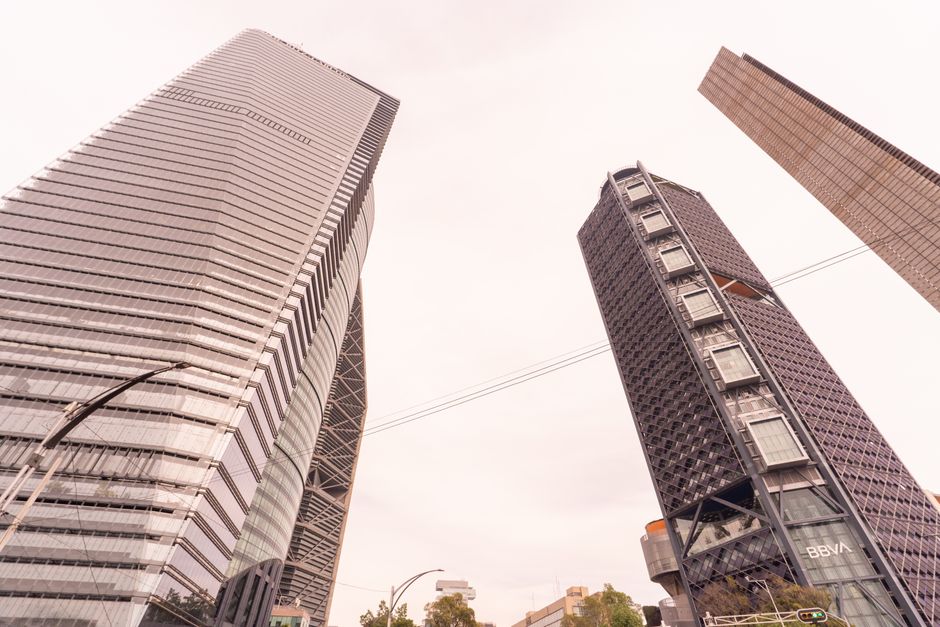
The common misconception is that spring in Mexico City means chasing jacaranda photographs and squeezing every famous sight into one long weekend. That approach creates traffic, tired feet and a shallow view of the city. A better plan matches each neighbourhood to a time of day, visits markets before the heat and treats day trips as separate logistical decisions.
Spring usually brings clear mornings, warm afternoons and sudden showers. March and April are especially good for walking, while May can feel hotter and hazier. The city sits at high altitude, so sunlight feels stronger than the thermometer suggests. Plan in layers, carry water and leave room for slow lunches.
Which Mexico City neighbourhoods are worth your spring mornings?
There is no single neighbourhood that covers every kind of trip. Roma Norte and Condesa reward walkers who want cafés, galleries, parks and jacaranda-lined streets. Coyoacán works better for a slower cultural day, especially if you combine the Frida Kahlo Museum area with a market lunch. Centro Histórico has the strongest concentration of major history, but it demands more attention to crowds, street conditions and pickpocketing.
| Neighbourhood | Best time | What it does well | Clear verdict |
|---|---|---|---|
| Roma Norte | Morning to late afternoon | Design shops, cafés, street food and tree-lined streets | Best base for first-time walkers who want variety |
| Condesa | Early morning or evening | Parque México, Art Deco buildings, restaurants and relaxed walking | Best for a polished, low-stress day |
| Coyoacán | Weekday morning | Plazas, colonial streets, Casa Azul area and traditional snacks | Best cultural choice; avoid a crowded Sunday |
| Centro Histórico | Before noon | Templo Mayor, Palacio de Bellas Artes, Zócalo and historic streets | Best for history, not for an unplanned afternoon stroll |
Use the light, not the tourist map
Start Roma Norte or Condesa around 8:30 a.m., when the sidewalks are calmer and the spring light is soft. Walk through Parque México, continue toward Avenida Amsterdam, then stop for breakfast. Move to Centro Histórico on a different morning. The Zócalo, Templo Mayor and Bellas Artes are easier to handle before lunch, when tour groups and traffic build.
Give Coyoacán its own half-day
Coyoacán is often treated as a quick museum stop. That is a mistake. The neighbourhood works because its plazas, markets and side streets create a slower rhythm. Arrive on a weekday, visit the museum area first if it is on your list, then eat locally and walk the central squares. For a spring itinerary, Coyoacán is a stronger choice than adding another generic café district.
How should you visit Mexico City markets without losing a day?
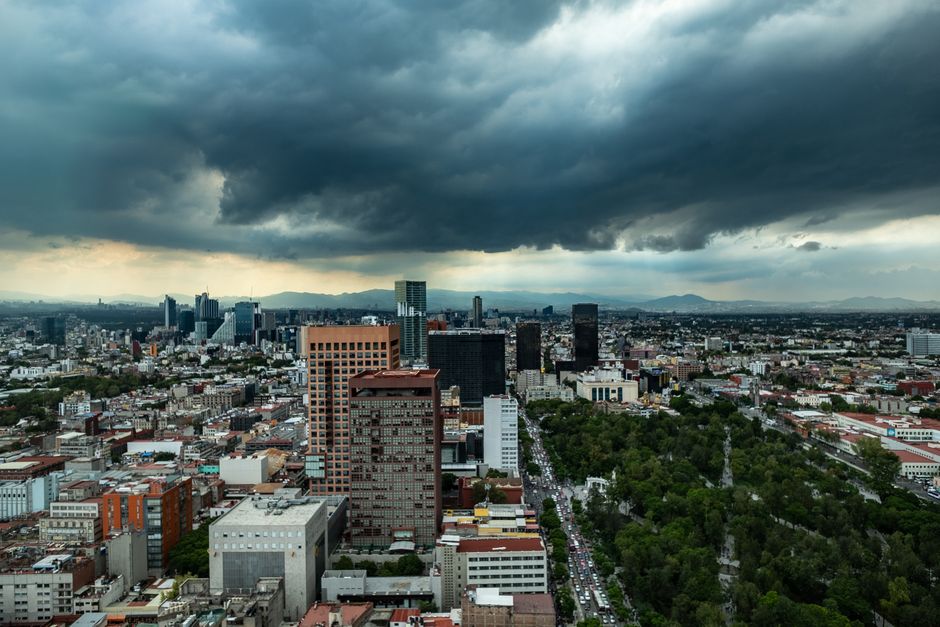
The best market strategy is simple: choose one market for food, one for flowers or crafts, and stop before midday. Mexico City has hundreds of public markets, but each has a different purpose. La Merced is intense and sprawling. Jamaica is famous for flowers and produce. San Juan is more specialized and food-focused. La Ciudadela is easier for traditional crafts.
- Pick the market before leaving your hotel. Do not try to combine La Merced, Jamaica and San Juan in one casual walk. Their scale and surrounding traffic make the plan slower than a map suggests.
- Arrive between 8:00 and 10:00 a.m. You will see more of the working market, find fresher produce and avoid the worst heat. Flower buyers should go early to Mercado de Jamaica, where colour and activity are part of the experience.
- Carry small Mexican peso notes. Large bills slow down small purchases. Keep your phone away while moving through crowded aisles, and ask before photographing vendors or workers.
- Eat one planned meal. Choose a busy stall with visible turnover, clean preparation surfaces and food served hot. A market is not a place to collect random snacks until you feel ill.
- Leave by early afternoon. Market fatigue is real. Pair Jamaica with a short visit to the nearby airport-area neighbourhoods, or pair La Merced with Centro Histórico. Do not add a distant museum afterward.
Which market deserves the strongest recommendation?
For a first visit, Mercado de Jamaica is the clearest spring choice because flowers give the visit a seasonal focus and the experience is easier to understand than La Merced’s enormous wholesale ecosystem. Choose La Merced if you want scale, ingredients and a more demanding urban experience. Choose La Ciudadela if shopping for crafts matters more than food.
What should you skip?
Skip any market tour that promises a complete version of the city in two hours. The pitch usually produces rushed stops and tourist-priced purchases. Markets work better when you learn one small area, buy something useful and leave with your senses intact.
Verdict: build the trip around jacarandas, not a checklist
For a first spring visit, stay in or near Roma Norte or Condesa and reserve one morning for Centro Histórico, one half-day for Coyoacán and one separate day for a market. That structure gives you three different versions of the city without turning every day into a transfer project.
Why the seasonal timing matters
Jacarandas are most visible in March and early April, but bloom timing changes with weather. Paseo de la Reforma, Roma, Condesa and parts of Centro Histórico can all be attractive. Treat the flowers as a bonus, not the whole reason for the trip.
The practical tradeoff
Roma and Condesa cost more for accommodation than many outer districts, but the saved taxi time and easier access to restaurants can justify the difference. If the budget is tight, choose a well-connected location near a Metro station and spend the savings on meals and museums rather than paying for long cross-city rides.
Which day trip from Mexico City earns the full day?
Teotihuacán is the strongest first day trip because it offers scale, history and a clear plan from morning to afternoon. The official archaeological site generally operates from 8:00 to 17:00, with last access at 16:30. The INAH listing gives an admission price of 210 Mexican pesos for foreign visitors and 105 pesos for Mexican nationals and residents with valid identification. Check the official notice before leaving, because access rules and monument closures can change.
Teotihuacán: the efficient plan
Leave early for the Terminal de Autobuses del Norte or arrange transport that gets you to the site near opening time. Allow three to five hours for the archaeological zone and museums, then return before evening traffic becomes severe. Wear shoes with grip, use sunscreen and bring water. Do not plan a long restaurant reservation back in the city; the return time is traffic-dependent.
Spring equinox weekends bring special crowds and sometimes special restrictions. The 2026 operating notices included limits on large bags and prohibited climbing on the Pyramid of the Sun. That is exactly why the official INAH page deserves the same attention a careful traveller would give to an AM Best rating or a J.D. Power score: it is a useful signal, but the specific conditions still need checking.
Tepoztlán or Puebla: choose by travel tolerance
Tepoztlán is the better alternative for a mountain town, market lunch and a shorter cultural change of scene, but weekend road traffic can erase the time advantage. Puebla offers stronger colonial architecture, museums and regional food, yet it is a longer day and works best with an early departure or an overnight stay. Xochimilco is different: it is inside Mexico City, so treat it as a half-day outing rather than a classic day trip.
| Trip | Typical road time each way | Best for | Recommendation |
|---|---|---|---|
| Teotihuacán | About 45–60 minutes before heavy traffic | Archaeology and a major landmark | Choose this for the first day trip |
| Tepoztlán | About 1.5–2.5 hours, traffic dependent | Mountain scenery, town streets and food | Choose on a weekday with an early start |
| Puebla | About 2–3 hours by road | Colonial architecture and regional cuisine | Choose only if you accept a long day |
| Xochimilco | About 45–90 minutes across the city | Canals, trajineras and a social afternoon | Keep it inside the city itinerary |
What spring mistakes should you avoid in Mexico City?
Spring travel fails less from a lack of attractions than from poor sequencing. The city is large, traffic is unpredictable and altitude can make a full sightseeing schedule feel harder than expected.
Should you book every major sight on the same day?
No. Keep one anchor reservation per day. A museum appointment in Coyoacán, a market visit in the morning or a timed attraction in Centro Histórico should shape the day around it. Filling every hour leaves no margin for queues, rain, road closures or a meal that takes longer than planned.
Is public transport worth using?
Yes, when the route is direct and you travel with a small bag. Metrobús lists a regular fare of 6 pesos, while its airport service is 30 pesos; its rechargeable Mi Tarjeta costs 21 pesos when bought with one 6-peso trip and a 15-peso card charge. Check the official Metrobús fare and payment page before travel. Use an authorized taxi or app-based ride for late-night transfers, unfamiliar areas or luggage-heavy journeys.
What should you verify before a day trip?
Verify opening hours, entry rules, road conditions and weather on the morning of departure. The official INAH Teotihuacán listing is more reliable than an old blog post. Carry identification if you may qualify for a resident or student discount, and do not assume a landmark is open simply because a search result still displays it.
The single most important takeaway is to organise Mexico City in spring by neighbourhood clusters and early starts, with Teotihuacán as the default day trip and enough space for the city to surprise you.




0