
Norway Winter Packing List: Norway Winter Packing: 7 Items That Actually Matter
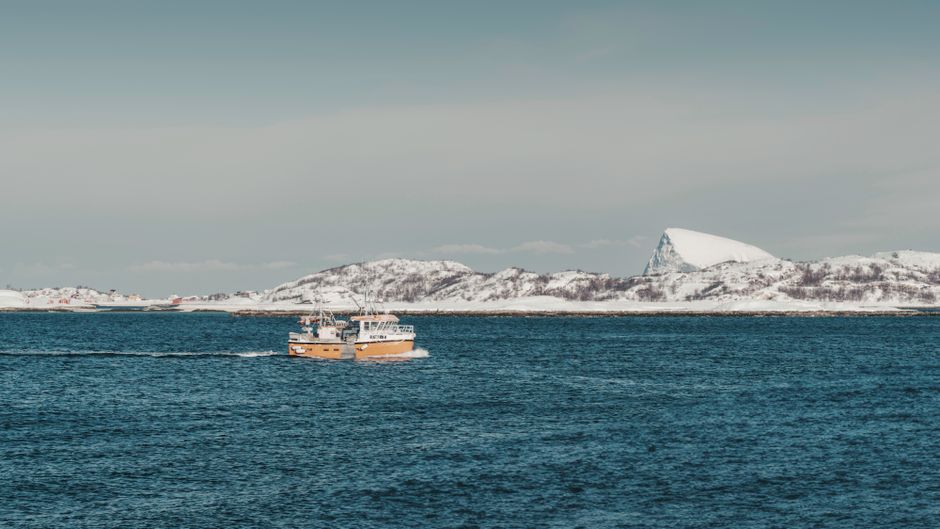
Most winter packing lists for Norway read like a survivalist manifesto. You do not need three pairs of boots, four mid-layers, and a suitcase that weighs more than a checked bag fee. You need seven items, chosen correctly. The rest is noise. This is not legal advice, but it is practical advice grounded in how Norwegian winters actually behave: wet coastal fronts, dry inland cold, and Arctic wind that finds every gap in your clothing.
In most cases, travelers overpack for Norway because they confuse cold with harsh. Norway’s coastal cities — Bergen, Stavanger, even Oslo — rarely dip below -10°C. Tromsø, above the Arctic Circle, hovers between -5°C and -15°C thanks to the Gulf Stream. What gets you is moisture and wind. Pack for that.
The Core Layering System: Three Pieces, Not Five
Layering sounds complicated. It is not. You need exactly three layers: a moisture-wicking base, an insulating mid, and a wind-and-waterproof shell. That’s it. Every additional layer adds bulk without proportional warmth.
Base Layer: Merino Wool Over Synthetics
Merino wool from Smartwool or Icebreaker outperforms polyester in one critical way: it does not stink after three days of wear. A 250 g/m² weight works for most winter travel. The Icebreaker Oasis Long Sleeve Crewe costs around $90 and lasts years. Synthetic base layers from Patagonia Capilene ($65) dry faster but hold odor. For a two-week trip where laundry access is unpredictable, merino wins.
Mid Layer: Down or Synthetic Insulation
Down compresses smaller. Synthetic insulation keeps insulating when wet. Norway’s coastal drizzle favors synthetic. The Patagonia Nano Puff Hoody ($249) uses 60g PrimaLoft Gold insulation and handles light rain without collapsing. If you run cold, the Arc’teryx Atom LT Hoody ($280) adds a fleece side panel for breathability. Pick one. Do not bring both.
Shell: A Hard Shell With Taped Seams
Norwegian winter means horizontal rain in Bergen and blowing snow in the north. A water-resistant softshell fails. You need a hard shell with taped seams and a waterproof rating of at least 20,000mm. The Helly Hansen Verglas 2.0 ($220) is a Norwegian brand that understands local conditions. The REI Co-op XeroDry GTX ($199) costs less and uses Gore-Tex Paclite. Either works. Make sure the hood fits over a beanie.
What Actually Goes in the Bag
Here is the complete list. Count them. Seven categories. Nothing more.
- Base layer set (2 tops, 1 bottom) — Icebreaker Oasis or Smartwool Classic Thermal. One spare top while the other dries.
- Insulated jacket (1) — Patagonia Nano Puff or Arc’teryx Atom LT. Worn daily, not packed.
- Hard shell jacket (1) — Helly Hansen Verglas or similar. Packs into its own pocket.
- Winter boots (1 pair) — Waterproof, insulated, with lugged soles. Sorel Caribou ($180) for city and light trails. Salomon X Ultra Winter CS WP ($175) for more walking. Break them in before departure.
- Wool socks (3 pairs) — Darn Tough Hiker Micro Crew ($27/pair) or Smartwool PhD. Rotate daily. Wash in a sink if needed.
- Accessories (1 set) — Merino beanie, liner gloves, insulated mittens or gloves, and a neck gaiter. The Outdoor Research Luminary Gloves ($70) handle most city use.
- Pack (1 bag) — A 35-40L carry-on. The Osprey Farpoint 40 ($185) or Patagonia Black Hole 40L ($199). Checked luggage on Norwegian regional flights and trains is a liability.
Footwear: The Single Most Common Mistake
Cold feet ruin a Norway trip faster than any other gear failure. The mistake travelers make is wearing fashion boots or hiking shoes with no insulation. Norwegian winter sidewalks are wet, slushy, and salted. Your feet need waterproofing and insulation and traction.
Courts of public opinion — and every Norwegian I have asked — generally agree that Sorel and Salomon dominate this category for good reason. Sorel Caribou boots use a removable 9mm ThermoPlus felt liner rated to -40°C. Salomon X Ultra Winter CS WP uses 200g Thinsulate and a Contagrip sole that grips ice better than most. If you plan to hike, the Salomon is the better pick. If you plan to walk city streets and stand at bus stops, the Sorel is warmer.
Do not buy new boots the day before departure. Wear them for at least two weeks beforehand. Blisters in Norway are expensive to treat and miserable to walk on.
Electronics and Telecom: What Survives the Cold
Lithium-ion batteries drain faster in cold weather. Your phone will die at 20% battery when the temperature drops below -5°C. Keep it in an inner jacket pocket, not an outer pocket. Carry a power bank with at least 10,000mAh capacity. The Anker PowerCore 10000 ($35) is small enough for a pocket and recharges an iPhone twice.
For connectivity, Norway has excellent 4G and expanding 5G coverage. A local eSIM from Telio or OneCall costs less than international roaming from most US carriers. You can set this up before departure through an eSIM provider. If your phone does not support eSIM, buy a physical SIM at Oslo Airport. Data is cheap. Roaming is not. Check your carrier’s international plan before you leave — some charge $10/day, which adds up to $140 over two weeks. A local prepaid plan for the same period runs about $20-30.
Packing Volume: A Table of What Fits Where
This table assumes a 40L carry-on bag. Every item listed above fits. The percentages show approximate volume allocation.
| Item Category | Approximate Packed Volume | Notes |
|---|---|---|
| Base layers (2 tops, 1 bottom) | 15% | Roll tightly. Merino compresses well. |
| Insulated jacket | 0% | Worn on plane. Never packed. |
| Hard shell jacket | 10% | Packs into its own pocket. |
| Winter boots | 0% | Worn on plane. Heaviest item. |
| Wool socks (3 pairs) | 5% | Stuff inside boots to save space. |
| Accessories (hat, gloves, gaiter) | 5% | In jacket pockets or bag corners. |
| Electronics and chargers | 10% | Power bank, cables, adapter. |
| Remaining space for clothing | 25-30% | One pair of jeans or travel pants, 2-3 shirts, underwear. |
The remaining space holds one pair of dark jeans or insulated travel pants, two or three non-cotton shirts, and underwear. Cotton kills in winter. It absorbs moisture and dries slowly. Leave it at home.
When Not to Pack Light
There are two situations where this minimalist list fails. First, if you plan multi-day ski touring or backcountry camping, you need expedition-weight gear, a four-season tent, and avalanche training. That is a different trip. Second, if you are attending formal events — a wedding in Oslo, a business conference — you need at least one set of formal clothes and shoes. Those add volume. Accept it.
For everyone else, the seven-item system works. The failure mode is not cold. It is overpacking. Heavy bags make Norwegian trains, ferries, and hotel stairs harder than they need to be. Most travelers wear the same three outfits regardless of what they packed. Pack for that reality.
Final Verdict: The Short Version
For a standard two-week winter trip to Norway in 2026 — city time in Oslo and Bergen, maybe a few days in Tromsø — the winning combination is:
- Base layer: Icebreaker Oasis 250 (2 tops, 1 bottom)
- Insulation: Patagonia Nano Puff Hoody
- Shell: Helly Hansen Verglas 2.0
- Boots: Sorel Caribou for city, Salomon X Ultra Winter CS WP for mixed use
- Socks: Darn Tough Hiker Micro Crew (3 pairs)
- Accessories: Merino beanie, OR Luminary gloves, neck gaiter
- Bag: Osprey Farpoint 40
That is the list. Total cost if buying everything new: roughly $1,100-1,300. But you likely own half of it already. The point is not to buy more. The point is to buy the right thing once and stop packing your fears.





0