
Kid-Friendly European Cities Budget: Kid-Friendly European Cities: 5 Picks That Won’t Crush Your Budget
You want a European city break with kids. You also don’t want to spend €300 a night on a hotel room that feels like a closet. The good news: several European capitals still deliver big on family fun without the Paris or London price tag. I spent hours comparing transit passes, museum fees, and hotel prices for 2026. These five cities are the ones I’d actually book with my own kids.
Lisbon: Hills, Trams, and Pastéis de Nata for €1.20
Lisbon is the cheapest Western European capital for families right now. A ride on the iconic Tram 28 costs €3.10 for an adult, kids under 6 ride free. The real hack is the Lisboa Card: €22 for 24 hours gets you free transit and free entry to 39 museums, including the Jerónimos Monastery and the Oceanário. The Oceanário alone is €25 for adults, so the card pays for itself in one afternoon.
Hotel prices are the real win. In 2026, you can still find family rooms in the Alfama or Baixa districts for €90–€140 a night. Compare that to Barcelona, where a family room averages €200+. Food is equally gentle. A full Portuguese breakfast for four — pastéis de nata, fresh bread, cheese, and orange juice — runs about €15 at a local pastelaria. Skip the tourist restaurants on Rua Augusta. Walk two blocks inland and prices drop by 40%.
What Kids Actually Like in Lisbon
The Oceanário de Lisboa is one of the best aquariums in Europe. The central tank holds 5 million liters of water and has sunfish, sharks, and rays. Kids can spend three hours here without getting bored. Afterward, ride the cable car along the Parque das Nações waterfront for €4.50 per adult.
One Mistake to Avoid
Do not rent a car. Lisbon’s hills and one-way streets will eat your patience alive. The metro and trams are cheap, safe, and stroller-friendly at most central stations. Bring a lightweight stroller — you’ll thank me on the climb to São Jorge Castle.
Krakow: Where a Family Dinner Costs Less Than a Pizza in Paris
Krakow is the budget champion of Central Europe. A plate of pierogi at a family-run milk bar costs 22 złoty (about €5). A full dinner for four with drinks and dessert rarely exceeds €40. The old town is flat, walkable, and closed to most car traffic — perfect for small legs.
The Krakow Card (€35 for 2 days) includes entry to Wawel Castle, the Cloth Hall, and unlimited tram and bus rides. Kids under 7 enter most museums free. The dragon statue below Wawel Hill breathes fire every few minutes, which is enough entertainment for a 6-year-old for at least half an hour.
A Short Verdict
If you want the cheapest possible European city break with kids, Krakow is the answer. No contest.
Valencia: The City That Built a River Park Instead of a Highway
Valencia made a genius decision in the 1970s. After a flood, they diverted the Turia River and turned the old riverbed into a 9-kilometer park that wraps around the city. It’s called the Turia Gardens, and it’s the single best free family attraction in Europe. There are playgrounds, fountains, bike paths, and football pitches. Rent bikes for €10 a day and ride from the City of Arts and Sciences to the Bioparc.
The City of Arts and Sciences looks like a sci-fi movie set. Entry to the science museum is €8 for adults, €6.90 for kids. The Oceanogràfic next door is the largest aquarium in Europe. A combined family ticket for four runs about €75. It’s not cheap, but it’s a full day of entertainment.
Where to Stay
Stay in the Ruzafa neighborhood. It’s 15 minutes from the old town, full of playgrounds, and has the best tapas bars in the city. A family room at a mid-range hotel costs €80–€120 in 2026. You can get a high-speed train from Madrid in under 2 hours if you’re combining cities.
Tallinn: The Medieval City That’s Shockingly Affordable
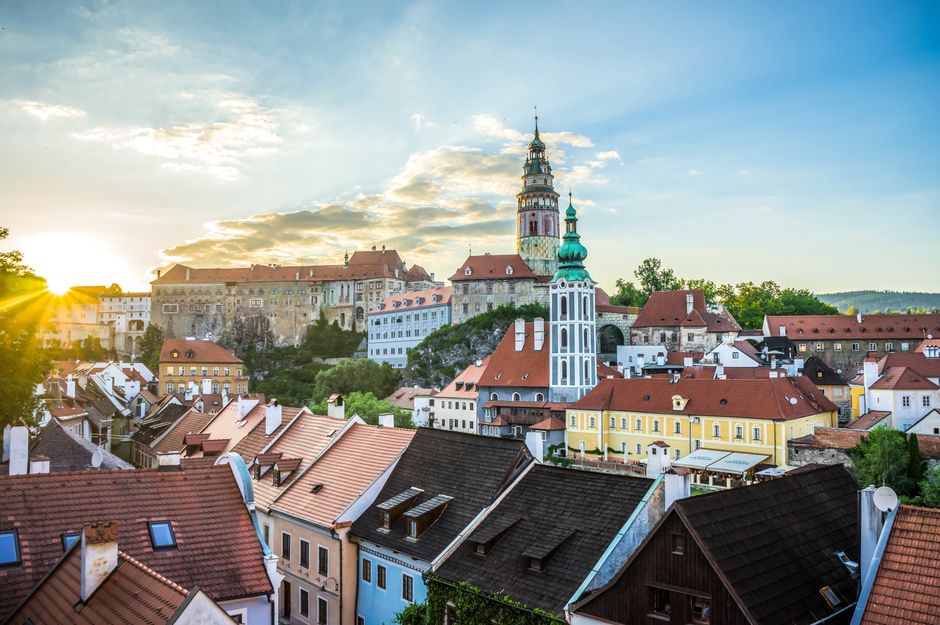
Tallinn’s old town is a UNESCO site that looks like a fairy tale. Cobblestone streets, city walls, and towers. Kids can climb the Town Hall tower (€5) or explore the Kiek in de Kök tunnels (€8). The real surprise is the price. Estonia uses the euro, but costs are 30–40% lower than Western Europe.
A family room at a hotel like the Hestia Hotel Europa or Nordic Hotel Forum costs €90–€130 in 2026. Both have pools. Dinner at a traditional Estonian restaurant — think elk soup and black bread — costs about €12 per adult, €6 per child. The Tallinn Card (€38 for 48 hours) covers all public transit and 40 attractions, including the Seaplane Harbour museum, which is the best maritime museum I’ve ever seen.
One Thing Nobody Tells You
Tallinn has a free zoo tram that runs from the city center to the Tallinn Zoo from May to September. The zoo itself is €9 for adults, €5 for kids. It’s a full day out for under €30.
Ljubljana: The Smallest Capital That Gets Everything Right
Ljubljana has a car-free city center, a castle on a hill, and a river running through it. The whole place feels like a park. Kids can feed the swans along the Ljubljanica River, ride the funicular to the castle (€4 round trip), or explore the Metelkova art district — a former military barracks turned into a street art wonderland.
Slovenia is not the cheapest country in Europe, but Ljubljana is far more affordable than Vienna or Munich. A family room at the City Hotel Ljubljana costs about €110. A meal at a local gostilna runs €10–€14 per adult. The Ljubljana Card (€36 for 48 hours) includes transit, castle entry, and a boat cruise.
Day Trip Worth Taking
Lake Bled is 45 minutes by bus (€7 each way). Rent a rowboat to the island (€20 per hour) and walk around the lake. Kids love the cream cake at the Park Café — €5 a slice and worth every cent.
| City | Family Hotel Room (Night) | Family Dinner | City Card (48h) | Best Free Attraction |
|---|---|---|---|---|
| Lisbon | €90–€140 | €25–€35 | €44 | Miradouro viewpoints |
| Krakow | €60–€100 | €20–€30 | €35 | Wawel Dragon statue |
| Valencia | €80–€120 | €30–€45 | N/A | Turia Gardens |
| Tallinn | €90–€130 | €30–€40 | €38 | Old Town walls |
| Ljubljana | €100–€140 | €35–€50 | €36 | Metelkova art district |
What to Look for When Booking a Family Hotel in Europe
European hotel rooms are smaller than American ones. A “family room” often means one double bed and one sofa bed crammed into 20 square meters. Before you book, check three things: the square meterage, whether the sofa bed is already made up or you have to do it yourself, and whether the hotel charges extra for a cot. Some hotels in Lisbon and Krakow still charge €10–€15 per night for a baby cot, which is absurd in 2026.
Look for hotels with a family room category that explicitly lists two separate sleeping areas. The Ibis Styles chain does this well in Lisbon and Krakow. The Motel One chain is another solid pick, though their family rooms book out fast in summer. Book 3–4 months ahead for July and August. In shoulder season (April–May, September–October), you can book 6 weeks out and still find deals.
Common Mistakes Parents Make
- Booking a hotel near the main train station “for convenience.” These areas are often loud and sketchy. In Lisbon, stay in Alfama or Baixa instead of Martim Moniz. In Krakow, stay in Kazimierz or Stare Miasto, not near the main station.
- Packing too much. European old towns have narrow, uneven sidewalks. One large suitcase and one backpack per adult is the max. Kids carry their own small backpack with snacks and a water bottle.
- Ignoring city cards. If you plan to visit 2+ museums per day, the city card almost always pays for itself. Do the math before you go.
- Eating at restaurants with picture menus. These are tourist traps. Walk 10 minutes away from the main square and find where locals eat.
When Not to Take This Trip
If your kids are under 3, skip the city break idea entirely. Toddlers don’t care about museums or old towns. They care about playgrounds and nap schedules. A beach resort or a countryside cottage will be more relaxing for everyone. If your kids are 4–10, these cities are perfect. If they’re 11+, they’ll still enjoy them, but add more active stuff: bike tours, escape rooms, or food markets.
Also, skip July and August if you can. Southern cities like Lisbon and Valencia hit 35°C (95°F) in August, and the crowds peak. May, June, and September are the sweet spots. You get 20–25°C weather, fewer tourists, and hotel prices drop by 20–30% compared to peak summer.
If you need a specific pick: for first-time family travel to Europe, choose Lisbon. It’s the easiest mix of affordability, English-speaking locals, and kid-friendly attractions. For the absolute lowest cost, choose Krakow. For the best outdoor play, choose Valencia. For something different, choose Tallinn. For the most relaxed pace, choose Ljubljana. All five beat Paris or London on price, and none of them will bore your kids.

0