
Airbnb Vs Boutique Hotels Italy Family: Airbnb vs Boutique Hotels in Italy: The Family Stay Math Nobody Does
You’re planning Italy with kids. Rome, Florence, maybe the Amalfi Coast. And you’re stuck on the same question every family hits: Airbnb or a boutique hotel? I’ve done both across Italy with two kids under 10. The answer isn’t what travel blogs tell you. It comes down to space math, elevator access, and one thing nobody mentions — Italian check-in hours.
Here’s the short version: Airbnb wins for stays of 4+ nights in one city. Boutique hotels win for 2-3 night hops. But the real decision runs deeper. Let me break it down.
The Space Equation: Why Square Meters Matter More Than Star Ratings
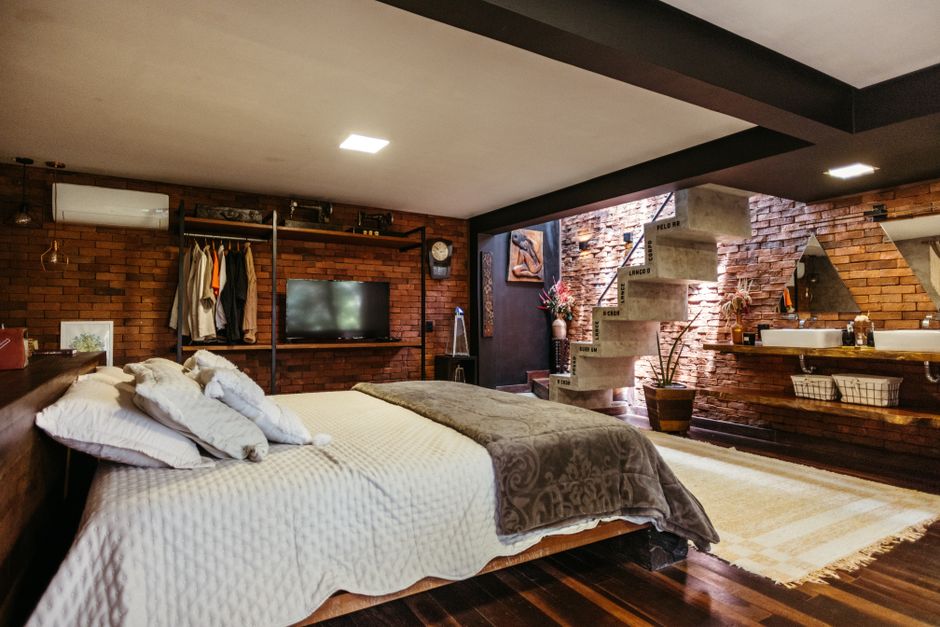
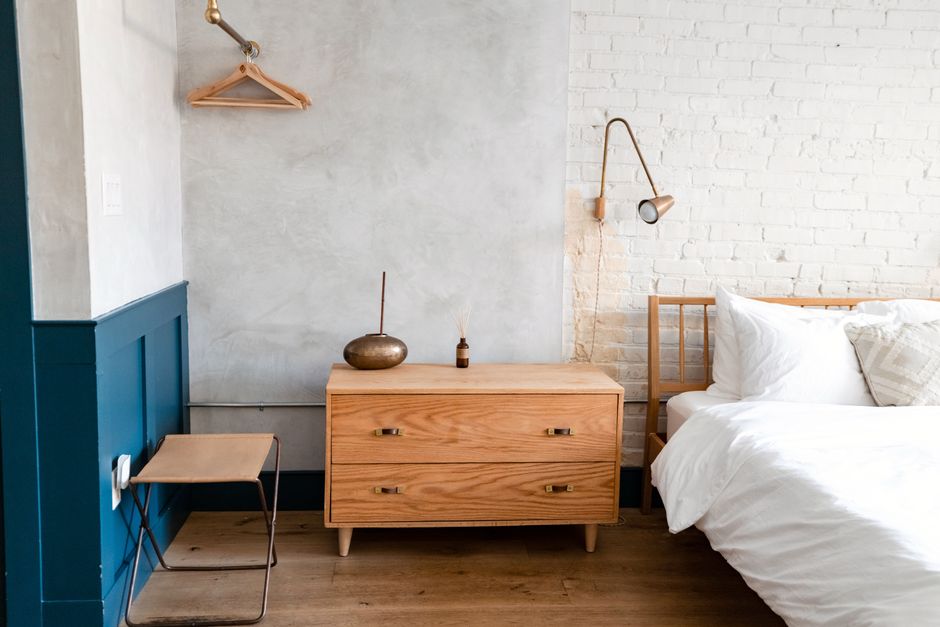
Italian boutique hotels are charming. They’re also small. A standard family room in a Florence boutique hotel runs 25-30 square meters. That’s roughly 270-320 square feet. You, your partner, two kids, and luggage. Do the math: one bathroom, maybe a Juliet balcony, and zero separation between sleeping zones.
Now look at a typical Rome Airbnb near Trastevere. A two-bedroom apartment runs 70-90 square meters. That’s triple the space. You get a living room, a kitchen, and — critically — two actual bedrooms with a door between you and the kids.
This isn’t a comfort issue. It’s a logistics issue. When your 6-year-old crashes at 8pm after walking the Forum, you’re stuck in a dark hotel room whispering. In an Airbnb, you close the bedroom door and have a glass of wine in the living room. That alone decides the debate for many families.
What a 90m² Airbnb Actually Costs vs a 30m² Hotel Room
In Florence’s Santo Spirito neighborhood, a well-reviewed two-bedroom Airbnb runs €140-180 per night in shoulder season. A boutique hotel like Hotel David (excellent for families, by the way) charges €200-260 for a family room that’s half the size. You’re paying more for less space but gaining daily cleaning and breakfast.
Price per square meter tells the real story. The Airbnb lands around €1.80/m². The hotel lands around €7.50/m². If space is your priority — and with kids, it usually is — the apartment wins on pure economics.
Kitchen Access: The Hidden €80/Day Line Item
Italian restaurants love kids. But eating out for every meal with children is a grind. You’re spending €15-20 for breakfast pastries and coffee, €30-40 for lunch, and €60-80 for dinner. That’s €105-140 per day before gelato. And gelato is non-negotiable.
An Airbnb with a kitchen changes the math entirely. A morning run to the local alimentari for fresh bread, prosciutto, and fruit costs €10-15. You feed the whole family breakfast for what one hotel continental breakfast costs. You don’t need to cook dinner every night — you’re in Italy, eat out — but having the option for breakfast and the occasional pasta night saves real money.
Boutique hotels rarely offer kitchenettes. Some family-focused ones like Palazzo Vecchietti in Florence have suites with small kitchen areas, but they’re priced accordingly. You’re paying for the convenience either way.
When Boutique Hotels Crush Airbnb: The 3-Night Rule
Here’s where I’ll defend hotels. If you’re doing the classic Rome-Florence-Venice sprint — three cities, nine nights — an Airbnb in each city is a terrible idea. Here’s why.
First, check-in logistics. Italian Airbnb hosts often have narrow check-in windows. Many require you to coordinate arrival times days in advance. If your train from Florence gets delayed and you’re standing outside a Venice apartment at 8pm with tired kids, you’re in trouble. Hotels have 24-hour front desks. Someone is always there.
Second, luggage storage. Hotels hold your bags before check-in and after check-out. Most Airbnbs don’t. With kids, you’re carrying extra bags. That’s a real problem when your flight lands at 10am and check-in is at 3pm.
Third, the cleaning fee math. Airbnb cleaning fees in Italy run €40-80 per stay. On a 5-night stay, that’s €8-16 per night — fine. On a 2-night stay, that’s €20-40 per night added to the rate. Suddenly that €120/night apartment is €160/night. The hotel at €180/night with breakfast included starts looking smarter.
For short hops, I’d pick a boutique hotel every time. Hotel Santa Maria Novella in Florence and Hotel Campo de’ Fiori in Rome both do family rooms well, with elevator access and staff who actually help with restaurant bookings and taxi logistics.
Safety and Regulations: The 2026 Italian Short-Term Rental Rules
Italy tightened short-term rental rules significantly. Starting in 2026 and continuing through 2026, cities like Rome, Florence, and Venice enforce stricter licensing on Airbnb-style rentals. Hosts must display a CIN (Codice Identificativo Nazionale) — a national identification code. If a listing doesn’t show this code, it’s operating illegally.
Why does this matter for your family? Illegal listings get shut down mid-stay. It happens. Municipal police in Rome have cracked down on unregistered apartments in the Centro Storico. If your host’s listing disappears and you’re left without accommodation, Airbnb’s rebooking support is slow — especially with kids in tow.
Boutique hotels don’t have this problem. They’re licensed, inspected, and regulated. Fire safety, insurance, and liability are all handled. For families, that peace of mind carries weight.
When booking an Airbnb in Italy in 2026, check for the CIN in the listing details. If it’s missing, skip it. Also verify the host’s response rate and recent reviews — not just the overall rating. A 4.8-star host who hasn’t had a review in six months is a risk.
The Elevator Problem and Other Things Nobody Tells You
Italian buildings are old. Many Airbnbs in historic centers are on the third or fourth floor of buildings without elevators. That’s 60-80 stairs. With a stroller, a toddler, and luggage, that’s a nightmare. Boutique hotels in the same neighborhoods almost always have elevators — even if they’re the tiny two-person kind.
Also consider air conditioning. Italian summers are brutal. Not all older apartments have AC, and those that do often have weak units in one room only. Boutique hotels almost universally have proper climate control. If you’re traveling July-August, this matters more than square meters.
Here’s a quick breakdown of what you’re actually trading:
| Factor | Airbnb (2BR Apartment) | Boutique Hotel (Family Room) |
|---|---|---|
| Space | 70-90m², 2 bedrooms | 25-35m², 1 room |
| Kitchen | Full kitchen | None (minibar only) |
| Check-in | Coordinated window, often 3-7pm | 24/7 front desk |
| Luggage storage | Rarely available | Standard |
| Cleaning fees | €40-80 per stay | Included |
| Elevator access | Often absent in historic buildings | Almost always present |
| Regulatory risk | Higher (check CIN code) | Low (licensed) |
| Best for | 4+ night stays, one city | 2-3 night hops, multi-city trips |
What I’d Book for a 2026 Italy Family Trip
If you’re doing one week in Rome only: book an Airbnb in Trastevere or Monti. Look for a two-bedroom with AC, an elevator, and a CIN code. Budget €150-200/night. You’ll have space, a kitchen for breakfast, and you’ll feel like you actually live there.
If you’re doing Rome-Florence-Venice over 10 days: book boutique hotels in all three. The check-in flexibility, luggage storage, and elevator access outweigh the space loss when you’re moving every three days. You’re not cooking anyway — you’re eating your way through Italy.
If you’re doing a hybrid — say, 5 nights in Florence and 3 nights in the Tuscan countryside — split it. Airbnb in Florence for the long stay, then a boutique agriturismo hotel in the countryside. Best of both worlds.
The category is shifting. Boutique hotels are adding apartment-style family suites. Airbnb is adding more hotel-like services. The line is blurring. But the fundamental trade — space and kitchen vs. service and flexibility — hasn’t changed. Pick based on your itinerary rhythm, not brand loyalty.


0