
Vietnamese Regional Dishes Beyond Pho: What Ten Regional Vietnamese Dishes Taught Me About Eating Beyond Pho
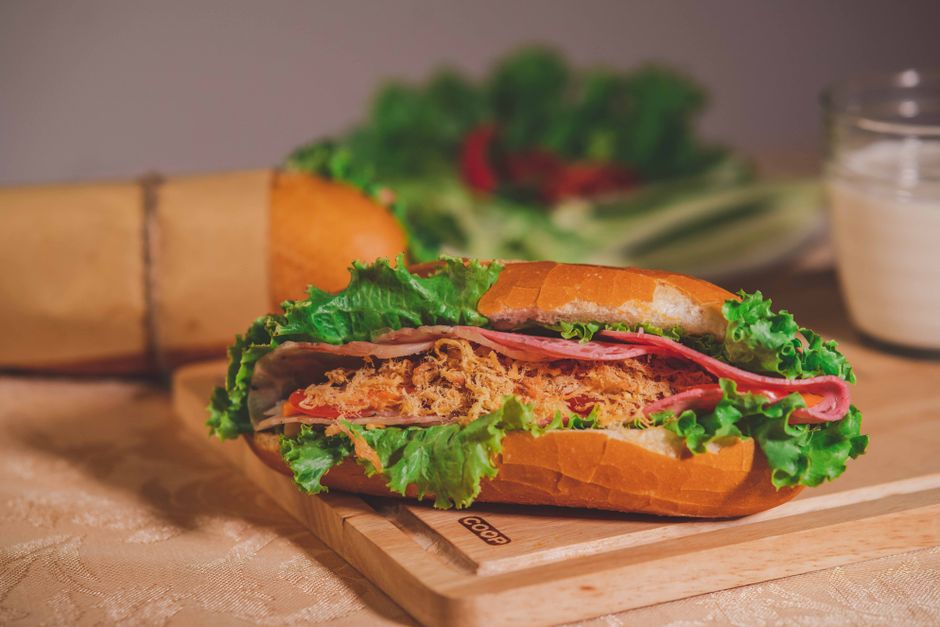
Most travelers land in Hanoi or Saigon, eat three bowls of pho, a banh mi, and think they’ve done Vietnamese food. They haven’t. They’ve done the greatest hits. The country runs on a far stranger, more regional, more obsessive food system than the tourist trail suggests. If you only eat pho, you are eating the cover of a book with forty chapters.
This is not legal advice about food. It is a field report from three trips, two food poisoning scares, and one very patient woman in Hoi An who taught me that cao lau is not just noodles. I will name specific stalls, specific prices in Vietnamese dong, and specific dishes that most guidebooks compress into a paragraph. No affiliate links. Just what I ate, where I ate it, and what I would tell a friend to skip.
Hanoi’s Bun Cha Is a Lunch Dish, Not a Dinner Negotiation
Bun cha in Hanoi is non-negotiable at lunch. The grilled pork patties and sliced pork belly swim in a bowl of fish sauce, vinegar, sugar, and water. You get a plate of cold rice vermicelli, a mountain of herbs, and sometimes fried crab rolls. The dish costs between 40,000 and 70,000 VND ($1.60 to $2.80). Barack Obama and Anthony Bourdain ate it at Bun Cha Huong Lien on Le Van Huu Street. That place now charges 90,000 VND for the “Obama combo.” Fine. But the better bowl is at Bun Cha Dac Kim on Hang Manh Street, where the patties are thicker, charred harder, and the broth comes with a warning-level amount of garlic.
Ordering script: “Mot suat bun cha day du” means one full portion with everything. They will bring you a plate of herbs you don’t recognize. Eat all of them. The purple perilla and fish mint are not garnish. They are the point.
Common mistake: ordering bun cha for dinner. Most serious bun cha shops close by 2 p.m. because the charcoal fire has been going since 6 a.m. and the patties are gone. If you see bun cha advertised at 8 p.m., you are looking at a tourist restaurant that reheats leftovers. Don’t.
What to drink with it
Hanoi beer, bia hoi, costs about 10,000 VND a glass. It is light, slightly sour, and served on plastic stools. You will spill it. Everyone spills it. That is part of the ritual.
Central Vietnam’s Three Noodle Obsessions: Cao Lau, Mi Quang, and Bun Bo Hue
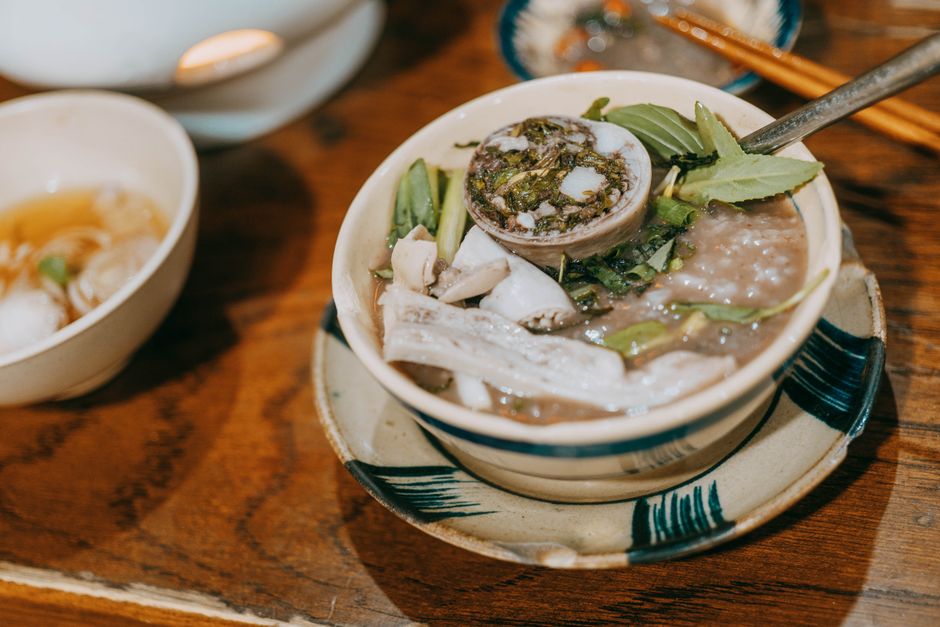
Central Vietnam does not share Hanoi’s minimalist restraint. The food is louder, sweeter, spicier, and more texturally aggressive. Three dishes define the region. You should eat all three in one week.
Cao lau is Hoi An’s dish. The noodles are thick, chewy, and allegedly made with water from the Ba Le well. The pork is sliced char siu-style. The broth is barely a broth—more of a concentrated dressing. Fresh herbs, crunchy croutons, and bean sprouts go on top. A proper bowl at Thanh Cao Lau on Thai Phien Street costs 35,000 VND. The tourist version on the riverfront costs 80,000 and tastes like dishwater. Walk three blocks inland. The difference is not subtle.
Mi Quang comes from Quang Nam province. It is a noodle dish with a tiny amount of turmeric-tinted broth, shrimp, pork, quail eggs, peanuts, and rice crackers. The broth is not meant to cover the noodles. It is a sauce. Western tourists often complain it is “dry.” That is the dish. Mi Quang at Ba Vi in Hoi An costs 45,000 VND and comes with a whole boiled quail egg.
Bun bo Hue is the beef noodle soup from Hue. It is not pho. The broth is built on lemongrass, shrimp paste, and beef bones. It is red, spicy, and funky. The noodles are round, not flat. A bowl at Bun Bo Hue O Phung in Hue costs 30,000 VND and arrives with a chunk of pork knuckle, a slice of congealed blood, and enough chili oil to make your eyes water. This is the best soup in Vietnam. I will not argue about this.
| Dish | City | Price (VND) | Key Ingredient | Texture Profile |
|---|---|---|---|---|
| Bun cha | Hanoi | 40,000-70,000 | Charcoal-grilled pork | Smoky, herbal, wet |
| Cao lau | Hoi An | 35,000-50,000 | Ba Le well water noodles | Chewy, crunchy, savory |
| Mi Quang | Quang Nam | 40,000-60,000 | Turmeric broth, quail egg | Dry, nutty, fresh |
| Bun bo Hue | Hue | 30,000-50,000 | Lemongrass, shrimp paste | Spicy, funky, rich |
| Com hen | Hue | 15,000-25,000 | Baby clams, rice, herbs | Briny, crunchy, light |
If you only have two days in central Vietnam, eat bun bo Hue and cao lau. Mi Quang is excellent but less distinctive if you have eaten a lot of Southeast Asian noodle salads.
Hue’s Com Hen Is the Cheapest Dish That Teaches the Most
Com hen is a bowl of cold rice topped with baby clams, star fruit, banana blossom, mint, peanuts, fried shallots, and a spoon of clam broth. It costs 15,000 to 25,000 VND. That is under one US dollar. It is served at tiny family stalls along the Perfume River and in the Dong Ba Market.
The dish teaches you how Hue cooks think about temperature and contrast. Cold rice. Warm clams. Crunchy star fruit. Soft herbs. Briny broth. Sweet peanuts. No single ingredient dominates. The clams are tiny—the size of a fingernail—and they are sautéed with garlic and chili. The broth is the cooking liquid from the clams, and it is intensely briny.
Failure mode: tourists ask for “com hen without the star fruit” or “no banana blossom.” Then the dish collapses. The astringency of the star fruit cuts the clam’s salinity. Without it, the rice tastes muddy. Eat it as built.
Saigon’s Banh Xeo and the Art of Not Filling Yourself on Appetizers
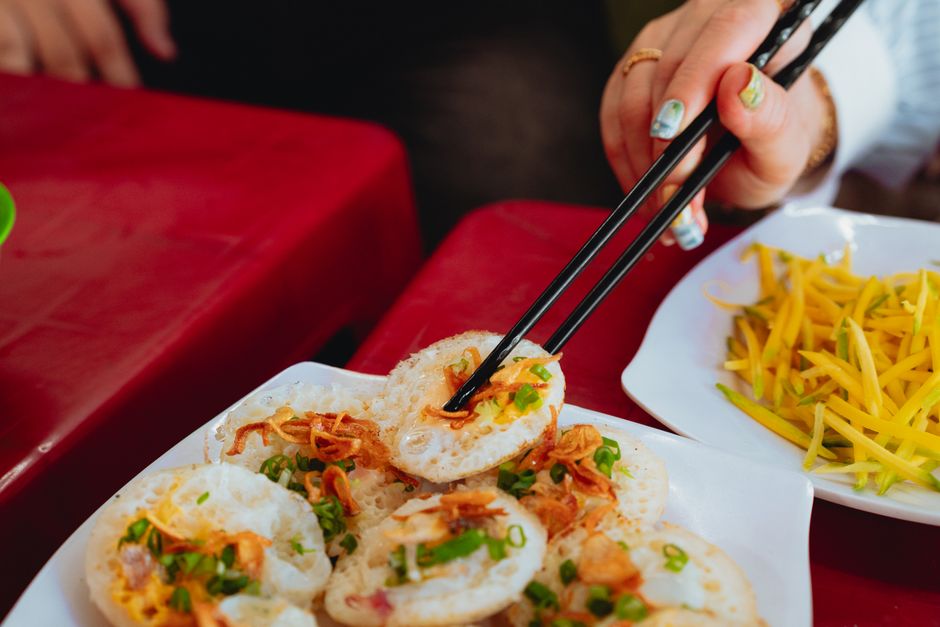
Banh xeo is a crispy turmeric crepe folded over shrimp, pork, and bean sprouts. In Saigon, it is huge—the size of a dinner plate. You cut it into pieces, wrap each piece in mustard leaf or lettuce with herbs, and dip it in nuoc cham. A plate at Banh Xeo 46A on Dinh Cong Trang Street costs 90,000 VND and feeds two people.
The mistake most travelers make is ordering banh xeo as an appetizer before a main course. It is not an appetizer. It is the main course. Two people, one banh xeo, two beers. Done. If you order banh xeo plus a noodle soup plus spring rolls, you will be horizontal for three hours.
The southern version uses coconut milk in the batter, which makes it crispier and sweeter than the central version. The central version, banh xeo from Quy Nhon or Da Nang, is smaller, less sweet, and often served without the lettuce wrap. I prefer the southern version. The wrap is what makes the dish work.
Three Rules That Apply to Every Meal in Vietnam
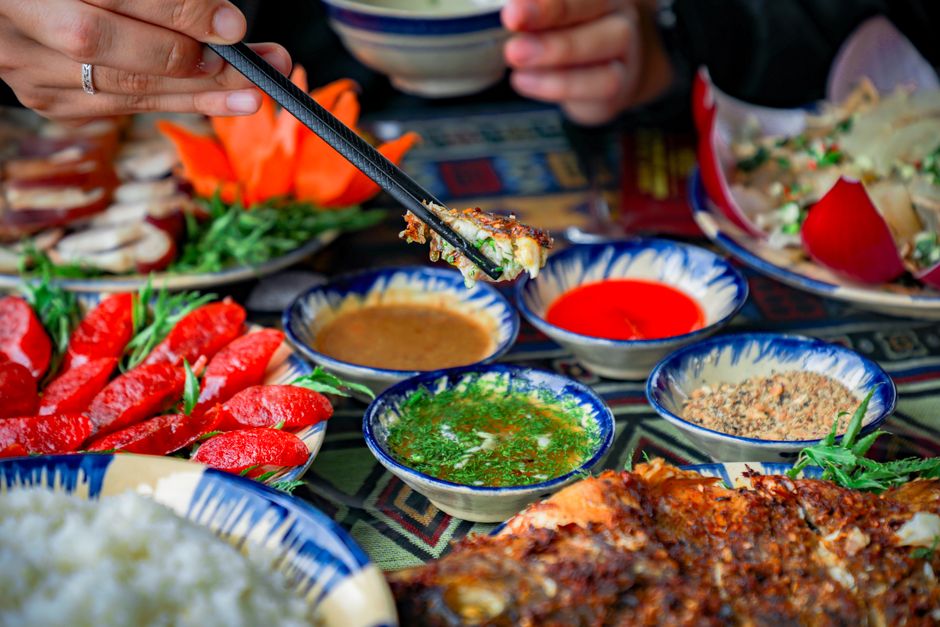
These are not dish-specific. They are structural. They apply whether you are eating a 15,000 VND bowl of com hen or a 300,000 VND seafood feast in Nha Trang.
- Eat at the stall with the most locals, not the most TripAdvisor stickers. A stall full of Vietnamese office workers at noon is serving food that is fresh, fast, and safe. A stall full of tourists at 3 p.m. is serving food that has been sitting. This is not snobbery. It is turnover math.
- Carry your own chopsticks and a spoon. Disposable chopsticks in Vietnam are often bleached and splinter. A simple titanium spork or a pair of travel chopsticks costs under $10 and saves you from eating bamboo slivers. This is not a product pitch. It is a comfort recommendation.
- Learn the phrase “khong ngot” (no sugar) and “it cay” (less spicy). Southern Vietnamese food runs sweet. Central Vietnamese food runs spicy. If you have dietary limits, these two phrases will save you. Most street vendors will nod and adjust. Some will not. Accept it.
One more thing: street food in Vietnam is generally safer than restaurant food because the turnover is higher and the ingredients are cooked in front of you. The two times I got sick were at sit-down restaurants with laminated menus and air conditioning. The street stalls never hurt me.
Vietnamese food is not a monolith. It is a collection of regional arguments about what rice, noodles, herbs, and broth should do together. Hanoi argues for restraint. Hue argues for complexity. Saigon argues for sweetness and abundance. Hoi An argues for texture. You do not need to choose a side. You need to eat all of them. The next decade of Vietnamese food outside Vietnam will finally catch up to what the country has been doing for centuries—and the travelers who went beyond pho will be the ones who understand it first.


0