
How To Order Coffee In Italy: Italian Coffee Ordering: The Phrases That Stop Baristas From Switching to English

I watched an American tourist in Milan order a “large latte” at 3 PM. The barista paused, sighed, and made him a glass of hot milk. The tourist looked confused. The barista looked annoyed. I paid for my espresso, drank it in thirty seconds standing at the counter, and left. That moment sums up why you need this guide. It is not about being fancy. It is about not wasting money and not drinking hot milk when you wanted coffee.
Ordering coffee in Italy is a system. You break the system, you get the wrong drink or you pay triple the price. Here is the exact phrasebook and the rules I use every time I land in Rome or Naples.
The Counter vs. The Table: A Price Difference You Must Know
This is the first failure mode. You walk into a beautiful piazza, see a table in the sun, and sit down. You order a cappuccino. The bill comes for €8. You think you got scammed. You did not. You paid for the chair.
In Italy, coffee has two prices. The price at the bar (al banco) and the price at the table (al tavolo). The difference is not small. A standard espresso at the counter in Florence might cost €1.20. The same espresso at a table outside the Duomo might cost €5.00. You are not paying for better coffee. You are paying rent for the view.
If you want to save money, do what locals do. Walk in. Go to the cashier first (la cassa) if it is a busy place. Pay. Take the receipt (lo scontrino). Hand it to the barista. Say the order. Drink standing. Leave. This takes five minutes. If you want to rest your feet, accept the table price and do not complain. The menu with the table price is usually printed. If it is not, ask: “Quanto costa al tavolo?” (How much at the table?).
How to Spot a Tourist Trap Before You Pay
Look for a menu with pictures of food. Look for a bouncer outside. Look for a view of a major monument. If you see two of these three, you will pay €7 for a cappuccino. A real local bar has a glass counter, a grumpy man in a white shirt, and a cash register that looks older than you. The coffee will be better and cheaper.
The Exact Phrase to Say at the Counter
Do not say “I’ll have a coffee.” Say: “Un caffè, per favore.” (oon kah-FEH, per fa-VO-reh). That gets you a single espresso. If you want to drink it like a local, you do not sit. You stand. You might add sugar. You stir. You drink it in two or three sips. You leave.
What You Should Actually Order (And When)
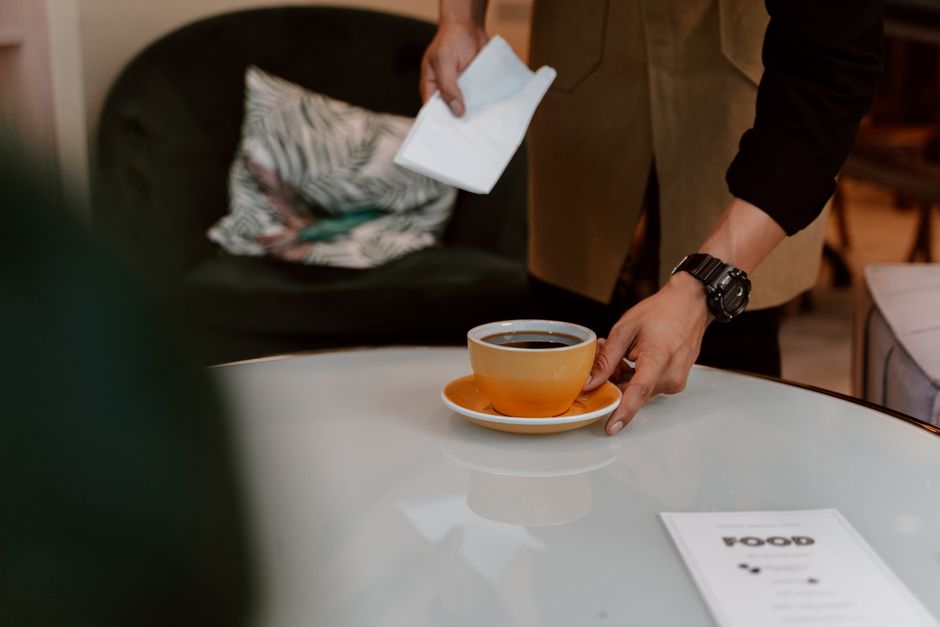
Here is the list of drinks and the rules. Break the rules and you get a polite smile and a worse drink.
| Drink | What It Is | When to Order | Approx. Counter Price (2026) |
|---|---|---|---|
| Caffè | Single espresso | Any time, all day | €1.10 – €1.50 |
| Caffè Doppio | Double espresso | Morning or after a heavy meal | €2.00 – €2.50 |
| Cappuccino | Espresso + steamed milk + foam | Before 11 AM only | €1.50 – €1.80 |
| Caffè Macchiato | Espresso with a spot of milk | Afternoon, if you need a little softness | €1.30 – €1.70 |
| Latte Macchiato | Steamed milk with a spot of espresso | Breakfast, usually at home | €1.80 – €2.20 |
| Caffè Corretto | Espresso with grappa or sambuca | After dinner or a cold morning | €2.50 – €3.50 |
| Caffè Americano | Espresso diluted with hot water | If you really need a big cup | €1.80 – €2.50 |
The cappuccino rule is real. Italians do not drink milk after a meal. They think it is bad for digestion. If you order a cappuccino at 3 PM, you will get one. The barista will not arrest you. But you will look like a tourist. If you want to blend in, switch to a caffè macchiato after lunch. It has less milk and it is acceptable.
The Phrasebook: Seven Sentences That Cover Everything
Do not try to have a conversation. The barista is busy. Use short phrases. Here are the seven I use most.
- “Un caffè, per favore.” — One espresso, please.
- “Un cappuccino, per favore.” — One cappuccino, please.
- “Un caffè macchiato caldo.” — Espresso with a little hot milk.
- “Un caffè macchiato freddo.” — Espresso with a little cold milk.
- “Un caffè decaffeinato.” — Decaf espresso. Say “dec” (deh-cheh) for short.
- “Un bicchiere d’acqua, per favore.” — A glass of water. Free at the counter.
- “Quanto costa?” — How much does it cost?
Do not say “latte.” Latte means milk. If you say “I’ll have a latte,” you will get a glass of milk. If you want a big cup of coffee with milk, ask for a “caffè latte” (coffee with milk) or a “latte macchiato” (milk with coffee). The difference matters.
Standing at the Bar: The Speed and Payment Ritual
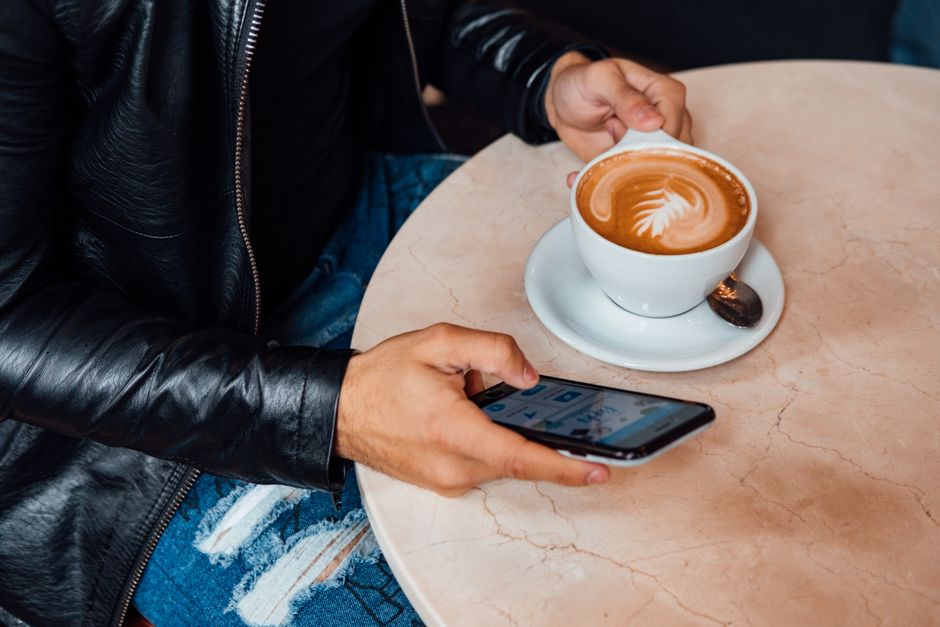
The bar is not a place to linger. It is a pit stop. You drink. You leave. The espresso cup is small for a reason. It cools fast. If you sit and chat for an hour over one espresso, you are blocking the flow.
Here is the sequence I follow in a busy bar in Rome:
- Walk in and say “Buongiorno” (good morning) or “Buonasera” (good evening).
- Go to the cashier if there is a line. Say “Un caffè.” Pay. Get the receipt.
- Take the receipt to the bar. Put it on the counter with a 20-cent coin on top if you want to be generous. The coin is a tip for the barista. It is not required, but it is common.
- Say “Un caffè, per favore” to the barista. Hand over the receipt.
- Drink the coffee in thirty seconds. Maybe add sugar first.
- Say “Grazie” and leave.
If you skip the cashier and order directly from the barista, you will still get your coffee. But then you have to remember what you ordered and pay at the end. In a crowded bar, the cashier system is faster and more honest. You pay first. You drink. You leave. No confusion.
Regional Differences: Naples, Rome, and the North
Naples is a different animal. The coffee is thicker, darker, and often sweeter. In Naples, a caffè is almost a dessert. The water is different. The roast is darker. If you order a cappuccino in Naples after noon, you will get a look that could kill. In Rome, they are used to tourists, so they are more forgiving. In Milan, the coffee is often served with a glass of sparkling water. Drink the water first to clean your palate. It is a nice touch.
In Trieste, near the Slovenian border, the coffee vocabulary is different. They call an espresso a “nero” (black). A cappuccino is a “capo.” If you find yourself in Trieste, ask for a “capo in b” (cappuccino in a glass). It is a local thing. You will impress someone.
The north tends to charge more. The south tends to charge less. A caffè in Naples might cost €1.00. A caffè in Milan might cost €1.50. The price difference is not about quality. It is about rent and wages. The coffee is good everywhere. The barista is the variable.
What You Should Never Do (And What to Do Instead)
Do not order a pumpkin spice anything. It does not exist. Do not ask for a “grande” or a “venti.” Those are Starbucks words. Do not ask for a coffee to go in a paper cup. Some bars will do it, but it is not the culture. Drink it at the counter.
Do not order a cappuccino after a meal. If you need milk after lunch, order a caffè macchiato or a latte macchiato. The macchiato is the adult version of a cappuccino for the afternoon.
Do not sit at a table without checking the price. If you see a menu with “servizio al tavolo” (table service) listed, that is a surcharge. It is legal. It is normal. It is not a scam. But you should know about it before you sit down.
The Verdict: How to Order Like a Local in One Sentence
Walk in, say “Buongiorno,” pay at the cashier, say “Un caffè, per favore,” drink it standing, say “Grazie,” and leave. That is the whole system. It takes five minutes. It costs less than €2. And you will not get a glass of hot milk when you wanted coffee.
I still do this every morning when I am in Italy. I do not sit down. I do not order a cappuccino after noon. I do not ask for a large anything. I stand at the counter, I drink the espresso, and I feel like I am part of the machinery of the city for a moment. That is the point. The coffee is not a beverage. It is a ritual. And the ritual is cheap.

0