
Torres del Paine in February: A W Trek Plan
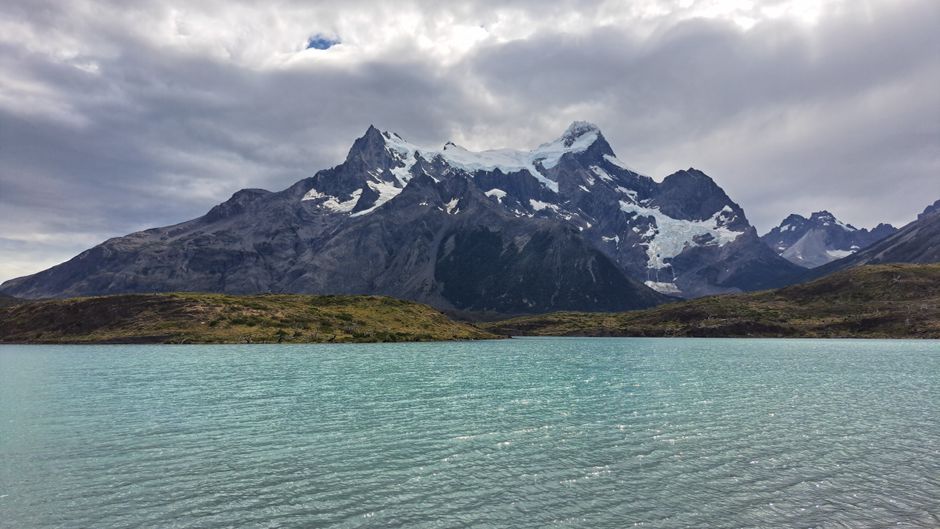
Is Torres del Paine worth hiking in February? Yes, if you want long days, mostly open summer trails, and the best chance of completing the classic W Trek. It is also peak season, windy, expensive, and crowded. The park rewards careful planning and punishes vague plans.
Is February the best month for Torres del Paine?
What is the weather like in February?
February is late summer in Patagonia, not warm summer in the usual sense. Daytime temperatures around Puerto Natales and the park can feel mild, but wind changes the experience fast. Expect a mix of sun, rain, cloud, and sharp gusts in the same afternoon. A calm morning does not predict a calm pass or exposed viewpoint later in the day.
You get roughly 15 to 16 hours of useful daylight, which makes February practical for long hiking days. That extra light gives you room to start early, stop for weather, and still reach camp before dark. The park does not permit hiking after daylight, so long days help, but they do not excuse a late start.
Why February works for first-time trekkers
The main advantage is access. Summer services, camps, refugios, buses, catamarans, and guided trips are running at their strongest. The W Trek’s three major branches are easier to connect than they are in the shoulder season. You can reach Base Torres, the French Valley, and Grey Glacier without building an expedition around winter conditions.
The tradeoff is pressure. February is popular with international visitors, Chilean holiday travellers, and organised groups. Campsites fill. Refugio beds disappear early. Transport seats sell out on the days everyone wants. If you want solitude, February is the wrong month. If you want the highest chance of a straightforward first visit, it is the right one.
Verdict: Choose February for the W Trek when reliable summer access matters more than empty trails. Pick March or April only if you accept shorter days, cooler conditions, and a greater chance of service changes.
How do you book the W Trek without ruining the route?
Book accommodation before buying flights
The W Trek is not a walk where you arrive and improvise a bed. Overnight trekkers need confirmed reservations at the campsites or refugios along the mountain route. The official park reservation guidance states that visitors on the W and Macizo Paine circuits need accommodation bookings before entering the mountain area. Start with the route, then secure beds, then buy flights.
Use the official Torres del Paine reservation instructions and check the CONAF park rules and trail notices before paying non-refundable deposits. Operators can change opening dates, transport schedules, and meal arrangements.
Use this five-day W Trek structure
| Day | Route | Typical distance | Planning point |
|---|---|---|---|
| 1 | Paine Grande to Grey | 11 km return or 11 km one way | Allow time for the catamaran and check-in |
| 2 | Paine Grande to Francés or Cuernos | 13 to 20 km | Book the camp that matches your pace |
| 3 | French Valley viewpoint | 15 to 20 km return | Start early for clearer mountain views |
| 4 | Cuernos to Chileno | 11 to 16 km | Protect energy for the final climb |
| 5 | Base Torres viewpoint | 18 km return | Leave before dawn only if the route rules allow it |
Distances vary with your exact camp, transport, and viewpoint. Do not copy a social media itinerary without checking the current map. A plan that looks easy on a flat screen can include steep stone, exposed roots, muddy sections, and a final climb that feels much harder after four days with a loaded pack.
When a day hike is the better purchase
Do not force a full trek if you hate carrying gear, cannot secure accommodation, or have only two days in the region. A Base Torres day hike, a Grey Glacier boat trip, or a guided valley walk gives you real Patagonia scenery without turning reservations into a full-time job. You will see less, but you may enjoy the trip more. The best itinerary is the one you can actually complete.
Should you hike the W Trek or the O Circuit?
Pick the W for a first Patagonia trek
The W Trek is the clear choice for most visitors in February. It covers the park’s headline views with fewer nights, simpler logistics, and more access to refugios and transport. You get the granite towers, French Valley, and Grey sector without committing to the remote eastern and northern sections of the park.
Pick the O only for a longer, tougher trip
The Macizo Paine, or O Circuit, adds remote terrain, more days, and less flexibility when weather or fatigue hits. It suits experienced trekkers who want a quieter route and can carry more food and equipment. It is a bad choice for a short holiday, a first multi-day trek, or anyone relying on a rigid flight schedule. February improves access, but it does not turn the O Circuit into an easy extension of the W.
My call: Book the W unless the remote circuit is the main reason you are travelling to Patagonia. You do not need the O to justify the trip. The W already delivers the park’s strongest views with a much smaller margin for logistical failure.
What mistakes make February treks fail?
My strongest recommendation is simple: build your trip around weather and reservations, not a perfect photo. February gives you the best summer access, but it cannot promise clear views. Torres del Paine can hide its towers behind cloud for hours. That is normal, not a failed trip.
What should you never assume?
Do not assume the forecast stays accurate beyond the next day. Do not assume a boat will run on schedule in strong wind. Do not assume a short distance means an easy day. Do not assume a camp will have a bed, meal, fuel, or hot shower unless your booking confirms it. Carry snacks and a warm layer even on organised trips.
What should you do when plans break?
Keep one buffer day in Puerto Natales or at the end of the trip. That buffer protects you from a delayed catamaran, a cancelled bus, a slow hiking day, or a trail restriction. Leave your route with a friend, stay on marked trails, and follow guardaparque instructions. CONAF warns visitors to hike in daylight, remain on authorized trails, and avoid walking alone.
Skip the trek entirely if you have no confirmed mountain accommodation, no way to carry water and food, or no tolerance for strong wind and rain. Choose a guided day excursion instead. You will lose the multi-day story, but you will gain control and safety.
For most travellers, the best plan is a five-day W Trek in February, booked months ahead, with a real rain shell, tested footwear, and one spare day after the hike. That is the recommendation: choose the W, reserve every night before flying, and let the weather decide the pace.

0