
Late Spring in Seoul: A Palace, Hike, and Lantern Plan
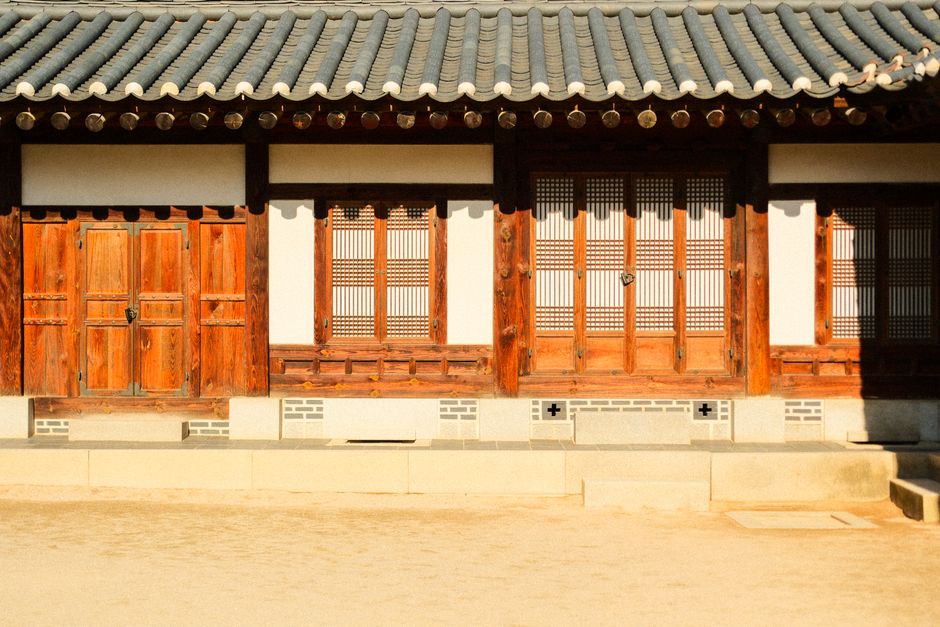
Late spring gives Seoul its best travel balance: green mountain trails, long palace days, and the Lotus Lantern Festival in the historic Jongno district. The strongest first visit combines one palace morning, one city hike, and the lantern parade without packing every hour.
When late spring in Seoul is at its best
For the 2026 season, the best window is May 14 to May 17. You get the main lantern displays, the Saturday parade, and enough daylight for a mountain walk. The displays run from May 8 to May 25, so travellers who dislike crowds can visit Jogyesa Temple and Cheonggyecheon on a weekday instead.
Choose the festival weekend for the full experience
The main parade takes place on Saturday, May 16, from 7:00 to 9:30 p.m. It follows a route of about 3 kilometers from Heunginjimun Gate through Jongno to Jogyesa Temple. The event is free, but the central streets become crowded and some roads close to traffic.
Use the weekday dates for calmer palace walks
May 8 to May 15 and May 18 to May 25 are better for photos and quiet temple visits. Go before 10:00 a.m. for cooler air and shorter queues. The schedule below gives the clearest balance.
| Date | Best plan | Why it works |
|---|---|---|
| May 14 | Gyeongbokgung and Bukchon | History before the festival crowds |
| May 15 | Inwangsan hike and Seochon | Views, greenery, and an easy evening |
| May 16 | Jogyesa displays and lantern parade | The main festival night |
| May 17 | Traditional events and Yeondeungnori | More cultural activities, fewer parade bottlenecks |
How to link Seoul palaces into one walk
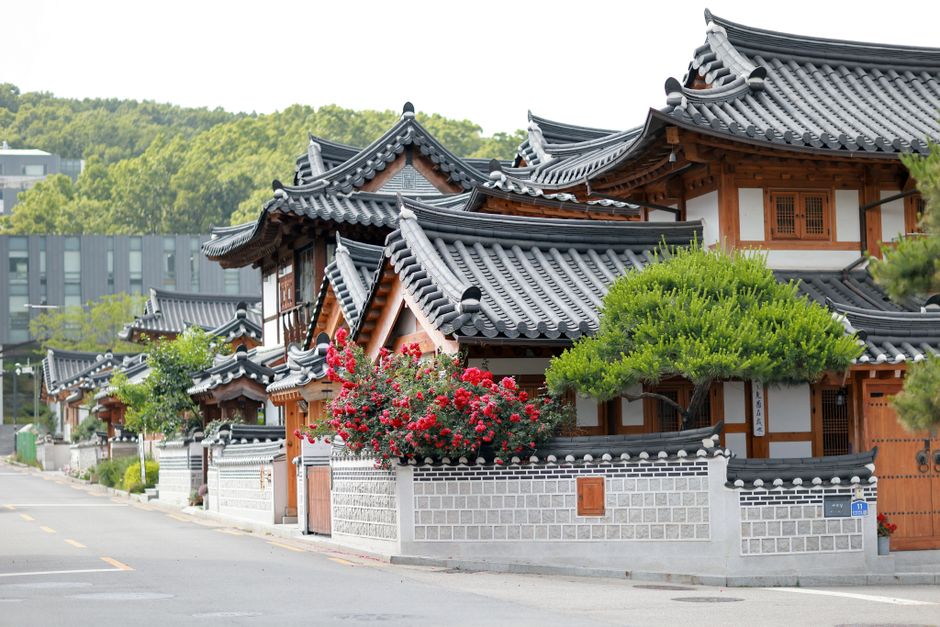
Best route: start at Gyeongbokgung Palace, continue through Bukchon Hanok Village, then finish at Changdeokgung or Ikseon-dong. This route keeps the historic sites in one part of the city and leaves the evening open for food or lantern displays. Do not begin with a late lunch. The palace grounds are large, and the strongest light for photographs arrives before noon.
Start with Gyeongbokgung before the heat
From March through May, Gyeongbokgung opens from 9:00 a.m. to 6:00 p.m., with last entry one hour before closing. It closes on Tuesdays. Adult foreign visitors pay ₩3,000, while visitors in a complete hanbok can enter free. The English guided tours run at 11:00, 1:30, and 3:30, except on Tuesdays. Arrive at 9:00 if you want the main courtyards without heavy foot traffic.
Continue east instead of backtracking
Walk toward Bukchon, but treat it as a residential neighbourhood rather than an open-air stage. Keep voices low and avoid blocking doorways. Continue to Changdeokgung if you want another formal palace garden, or stop at Ikseon-dong for lunch. The clear verdict is Gyeongbokgung plus one second palace; adding every royal site creates a rushed day with little time to look closely.
Wear shoes with real grip. Palace stone is easy, but Bukchon has steep lanes and polished steps.
Which Seoul hike fits your late-spring day?
Pick the trail by time and terrain, not by the highest summit. Late-spring Seoul is warm enough for sweat but still cool on exposed ridges. For most visitors, Inwangsan is the best choice because it delivers a strong skyline view in a compact route and connects naturally with Seochon and the palace district.
Choose Inwangsan for the best first hike
The Inwangsan City Wall route covers about 4 kilometers and takes roughly 2 hours 30 minutes. The peak rises to 338 meters, with rocky sections near the top and wide views toward central Seoul and N Seoul Tower. Start near the Donuimun Gate site or Sajik Park and finish near Changuimun. Use both hands on steep rock sections, especially after rain.
Choose Naksan or Ansan for easier walking
Naksan is the simplest city-wall walk: about 2.1 kilometers and one hour, with gentle slopes between Hyehwamun and Heunginjimun. Ansan offers a longer, largely accessible forest route of about 7 kilometers and broad views toward Inwangsan and Bukhansan. Achasan reaches 287 meters and usually fits into two hours, making it the best sunrise option.
| Trail | Distance | Best for | Verdict |
|---|---|---|---|
| Inwangsan | 4 km | Views and history | Best overall |
| Naksan | 2.1 km | Easy city walk | Best for beginners |
| Ansan | About 7 km | Forest and accessibility | Best for a slower day |
| Achasan | Under 2 hours | Sunrise | Best east-side option |
How to experience the Lotus Lantern Festival respectfully
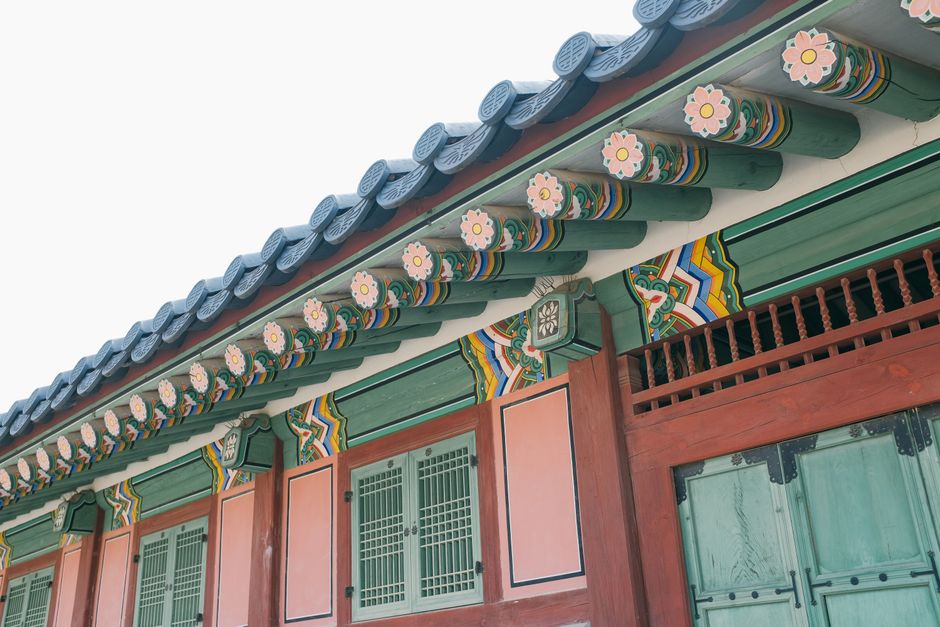
The festival is free, public, and much larger than a single photo spot. Treat it as a moving city event rather than a ticketed show. The most useful plan is simple: see the lantern installations in daylight, eat before the parade begins, then claim one viewing position and stay there.
Follow this parade-night sequence
- Arrive in Jongno by 5:30 p.m. and walk through the lantern displays near Jogyesa Temple.
- Eat an early meal before 6:30 p.m.; restaurant queues grow once the streets close.
- Choose a position near Jonggak or the Jogyesa end of the route for easier access to cafés and subway stations.
- Keep valuables in a zipped bag and leave space for families, older visitors, and parade participants.
- Wait until the main crowd moves before walking toward Jonggak or Jongno 3-ga Station.
Know the difference between watching and joining
Visitors can watch the May 16 parade without paying. Participation in some organised activities may require advance registration, while the May 17 street events in front of Jogyesa run from 11:00 a.m. to 7:00 p.m. The displays at Jogyesa, Bongeunsa, and Cheonggyecheon continue through May 25. Do not touch temple decorations or enter restricted areas for a better photograph.
The strongest verdict is to watch the parade once, then return on May 17 for hands-on cultural events.
What can derail a late-spring Seoul day?
The main risks are small planning errors, not difficult logistics. Fix these before leaving your hotel.
What if the weather turns hot or rainy?
Start outdoor activities before noon and keep a museum or café near the afternoon route. May rain can make Inwangsan rock slippery, so switch to Naksan or Ansan if the forecast shows steady rain. Carry a light shell, refillable water bottle, and a dry pair of socks. Skip the peak if visibility is poor; the view is the reason to choose the trail.
What mistake do palace visitors make most often?
They arrive on Tuesday or after last entry. Gyeongbokgung closes Tuesdays, and March-to-May last entry is at 5:00 p.m. Check the calendar before assigning the palace day. A second mistake is renting a hanbok without allowing time for fitting, hair styling, and return. The free palace entry can disappear if the outfit does not meet the complete-hanbok rules.
How should you leave the parade?
Do not chase the crowd toward the nearest station as soon as the final lantern passes. Walk ten to fifteen minutes away from the route, then use a less central station or wait in a café. Road closures and packed platforms are normal on the main night. The calmest choice is staying for the closing atmosphere, then leaving after the first rush.
Three-day late-spring Seoul plan: final verdict
Three days are enough if each day has one anchor. Put the palace first, the hike second, and the festival last. That order protects the most time-sensitive event while keeping the physically demanding day away from the late-night parade. It also lets you change the hiking route without damaging the rest of the trip.
Use one neighbourhood per day
Day one belongs to Gyeongbokgung, Bukchon, Changdeokgung, and Jongno. Day two belongs to Inwangsan, Seochon, and a relaxed dinner. Day three belongs to Jogyesa, the lantern installations, and the May 16 parade, or the May 17 cultural program if you prefer daytime activities. Keep the final afternoon light because crowds and walking add up quickly.
Choose the pass that matches the route
For this specific plan, T-money wins. The Discover Seoul Pass becomes the better buy only when paid attractions replace free neighbourhoods and hiking. Ttareungi is a useful short ride beside the Han River, not a core transport solution for palace hills.
| Travel style | Best choice | Reason |
|---|---|---|
| Palaces, hiking, and festival | T-money, about ₩3,000 plus credit | Lowest commitment and flexible fares |
| Many paid attractions in 72 hours | Discover Seoul Pass, ₩90,000 | Can repay its cost with repeated admissions |
| Flat riverside cycling | Ttareungi, ₩1,000 to ₩5,000 | Cheap for short or full-day bike use |

0