
Summer in Peru: Hike Machu Picchu in the Dry Season
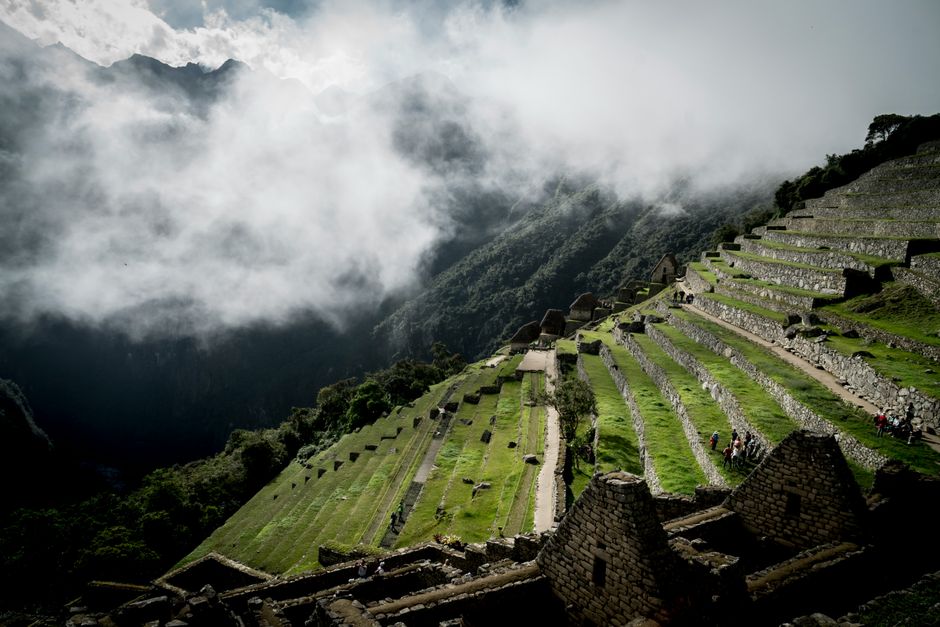
Wondering if a summer trip to Peru is the right time to hike Machu Picchu? If you mean June through August, the answer is yes for reliable trail conditions, but the season comes with cold highland nights, heavy demand, and strict ticket planning. Peru is in its dry winter during the Northern Hemisphere summer. I prefer late May, early June, or September because those weeks usually give hikers a better balance of clear weather and manageable crowds.
Is summer in Peru the right season for Machu Picchu?
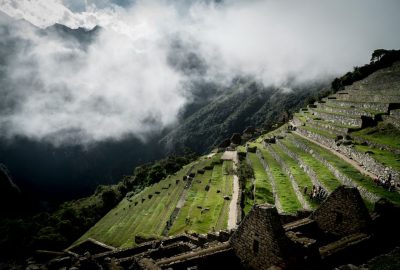
Yes, if your main goal is a drier trek and better odds of clear mountain views. The dry season usually runs from May through September, with June, July, and August bringing the most popular hiking dates. Rain can still arrive at any time around Machu Picchu because the ruins sit in a warm, humid cloud-forest zone, so dry season does not mean guaranteed blue skies. It means fewer long rainstorms on the approach, firmer paths, and a lower chance that mud will control your schedule.
Dry-season conditions by month
| Month | Trail conditions | Night temperatures in Cusco | Crowd level | My verdict |
|---|---|---|---|---|
| May | Mostly dry, occasional showers | About 2 to 7°C | Moderate | Best early-season balance |
| June | Dry and cool | About 1 to 6°C | High | Excellent weather, book early |
| July | Very dry, cold nights | About 0 to 5°C | Very high | Good for fixed dates, busy on trail |
| August | Dry, dusty in exposed sections | About 1 to 6°C | Very high | Reliable but crowded |
| September | Mostly dry with more cloud | About 3 to 8°C | Moderate | My favourite late-season month |
My timing verdict
Choose May or September if you want the strongest overall trip. July and August make sense when school holidays or work leave dictate your dates, but you need to accept busier trains, fuller hotels, and faster permit sales. Pack for two climates: cold, dry mornings around Cusco and warm, damp afternoons near the ruins. A clear forecast for Cusco does not guarantee clear weather at Machu Picchu.
Which route should you choose for Machu Picchu?
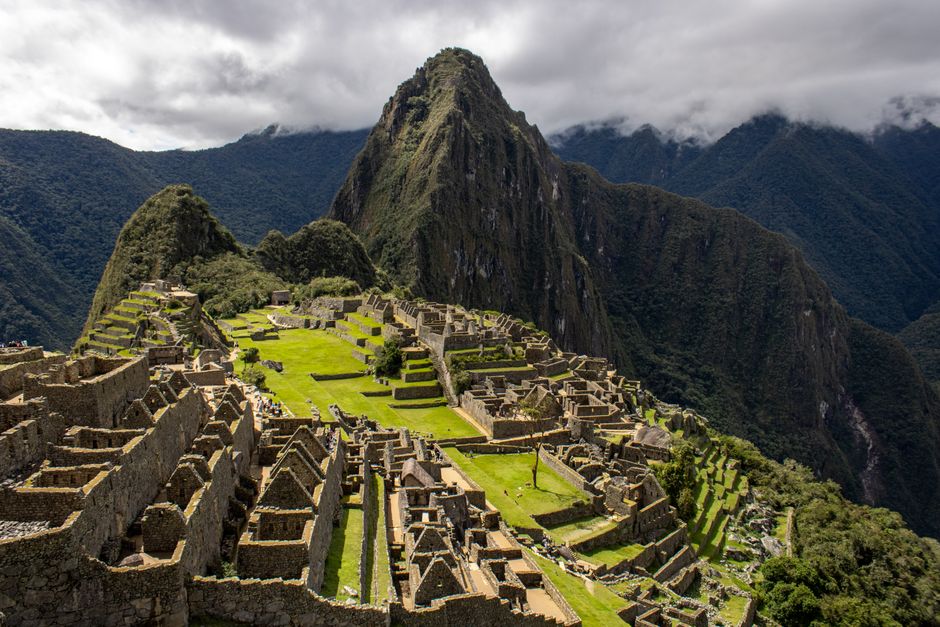
My clear pick for first-time hikers is the four-day Classic Inca Trail. It earns its reputation because the route reaches Machu Picchu through the Sun Gate, includes several major Inka sites, and feels like a journey rather than a transfer followed by sightseeing. The tradeoff is real: permits are limited, porters carry much of the camp equipment, and the climb over Dead Woman’s Pass reaches about 4,215 meters.
Match the route to the experience you want
- Classic Inca Trail, four days: Choose this for the historic path, stone ruins, and arrival through the Sun Gate. It is the best all-round hiking choice, but reserve far ahead and expect steep stone steps.
- Short Inca Trail, two days: Choose this when you want a taste of the original trail without several nights camping. You still hike a demanding section and finish near the Sun Gate, but the route has less time for remote scenery.
- Salkantay Trek, four or five days: Choose this for bigger mountain scenery and a less restricted permit system. The high pass is roughly 4,600 meters, so it can feel harder than the Classic Inca Trail even when the route looks more open.
- Train to Aguas Calientes: Choose this when Machu Picchu matters more than the trek, or when your knees, schedule, or altitude response make a multi-day hike a poor bet. Add a Sacred Valley walk if you still want time outdoors.
When the famous trail is the wrong choice
Do not book the Classic Inca Trail simply because it is famous. If you dislike camping, struggle with steep descents, or have only one spare day after arriving in Cusco, the train is the smarter option. A bad altitude reaction can turn a proud hiking plan into an expensive evacuation. The best route is the one you can finish safely and enjoy, not the one that sounds most impressive at dinner.
What should you book first for a 2026 Machu Picchu hike?
The booking order is simple: secure the trek permit or Machu Picchu entry route first, then build transport and accommodation around it. This reverses the instinct many travellers have. They book a cheap flight to Lima, add a Cusco hotel, and only later discover that their preferred trail date has disappeared.
Do I need an Inca Trail permit?
Yes. The Classic Inca Trail is controlled and must be booked through an authorized operator. The four-day route has a daily limit that includes guides, porters, and support staff, so the number available to hikers is much smaller than the headline capacity. February is the annual maintenance closure for the Inca Trail. For June through August 2026, start checking dates many months ahead and keep at least two backup departure dates.
How do Machu Picchu entry tickets work?
The 2026 system assigns a date, time, and route through the Peruvian government’s TuBoleto platform. The available circuits do not all show the same parts of the site. Circuit 2 is the usual choice for travellers who want the broadest classic ruins experience, while mountain routes add a climb but do not replace every section of the main archaeological circuit. Read the route description before paying. A ticket with a spectacular mountain name may not provide the visit you imagined.
Leave one buffer day between a long trek and an international flight. Landslides, train delays, altitude problems, and weather interruptions are uncommon but serious enough to deserve space in the plan.
What mistakes ruin a dry-season Machu Picchu hike?
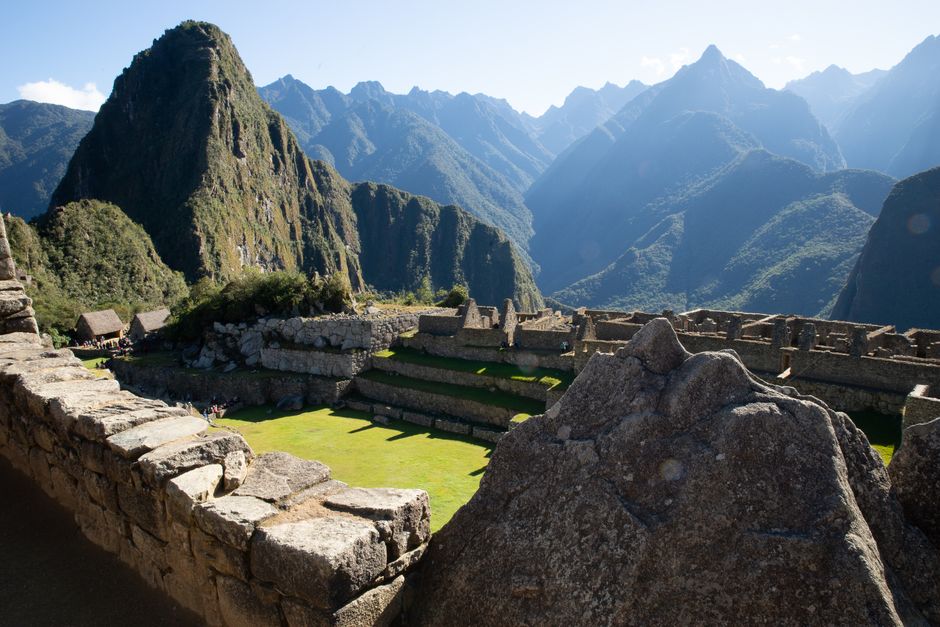
Do not treat dry season as easy season. The trail may be less muddy, but the sun is fierce, the stone steps stay steep, and July crowds can make a carefully planned visit feel rushed. My short verdict is simple: acclimatize in stages, reserve the route before the rest of the trip, and choose September or late May when your calendar allows it.
Five mistakes to avoid
- Flying into Cusco and starting a high pass trek the next morning.
- Booking a Machu Picchu ticket before checking which circuit it actually includes.
- Taking one pair of shoes and assuming the dry season rules out rain.
- Skipping sun protection because the morning air feels cold.
- Scheduling an international departure on the same day as the train back from Aguas Calientes.
The answer to the opening question
So, is summer in Peru the right time to hike Machu Picchu? For most travellers taking their summer holiday from June through August, yes: the dry-season odds are strong, the trails are usually firmer, and the mountain scenery can be outstanding. I would choose late May or September for a calmer version of the same trip. With a realistic acclimatization plan, the right route, and a ticket that matches the experience you want, summer stops being a vague promise of sunshine and becomes a well-timed walk through the Andes.


0