A Rainy City Day With Kids Starts at the Drying Point
Journey Inspiration / Rain city field notebook
Plan the Wet-to-Dry Change Before the First Puddle
Rain does not have to erase a city day, but it changes the route’s logic. Start with the place where wet gear can be handled properly, then work outward through covered stops, short street sections, a deliberate lunch, and an easy return. The result is a flexible circuit rather than a list of attractions that only works under blue skies.
- Mark a legitimate drying point
- Build in covered route hinges
- Carry separate wet and dry lanes
Field entry 01
Begin at the drying point
A rainy family city day should begin with the place where wet things will end up. Identify the hotel entrance, apartment mud area, station locker rules, or other legitimate drying point before drawing the sightseeing route. Ask what the accommodation permits and whether there is a suitable ventilated place for outerwear. Do not assume radiators, hair dryers, or shared corridors can be used for damp gear. Once the endpoint is clear, the day becomes easier to shape: the final walk can be short, the wet bag can stay contained, and tomorrow’s clothes remain separate.
Field entry 02
Write a weather log with decisions
Instead of copying hourly rain icons, turn the forecast into three practical notes: likely start window, heaviest period, and expected easing. Add wind because umbrellas and exposed bridges behave differently in gusts. Check an official or reputable local forecast close to departure, then observe the street. The log should trigger choices rather than promise accuracy. For example, begin with the outdoor market, move to a museum during heavier rain, and save the sheltered tram ride for late afternoon. Conditions can change, so keep the route editable.
Field entry 03
Draw a route with covered hinges
Connect each outdoor segment to a realistic covered stop. A station arcade, museum foyer, library, market hall, or booked lunch venue can act as a hinge where the family regroups. Verify opening hours, admission arrangements, bag rules, and whether the location is genuinely available to visitors. Avoid using shops as unofficial changing rooms. The best rainy route forms a compact loop with several legitimate exits. If one child is finished early, the family can shorten the loop without crossing the city again simply to retrieve luggage or reach the room.
Field entry 04
Dress for repeated doors
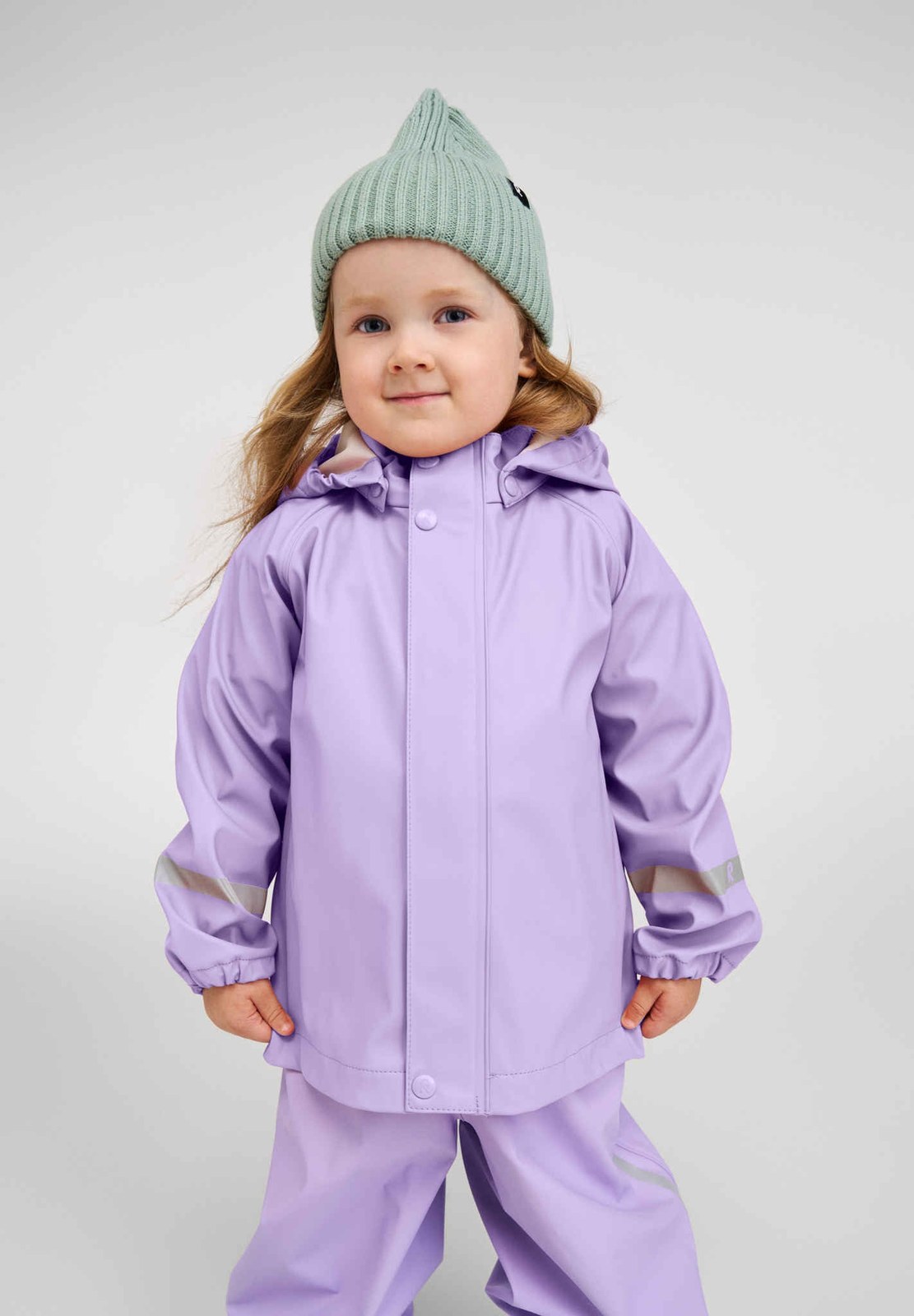
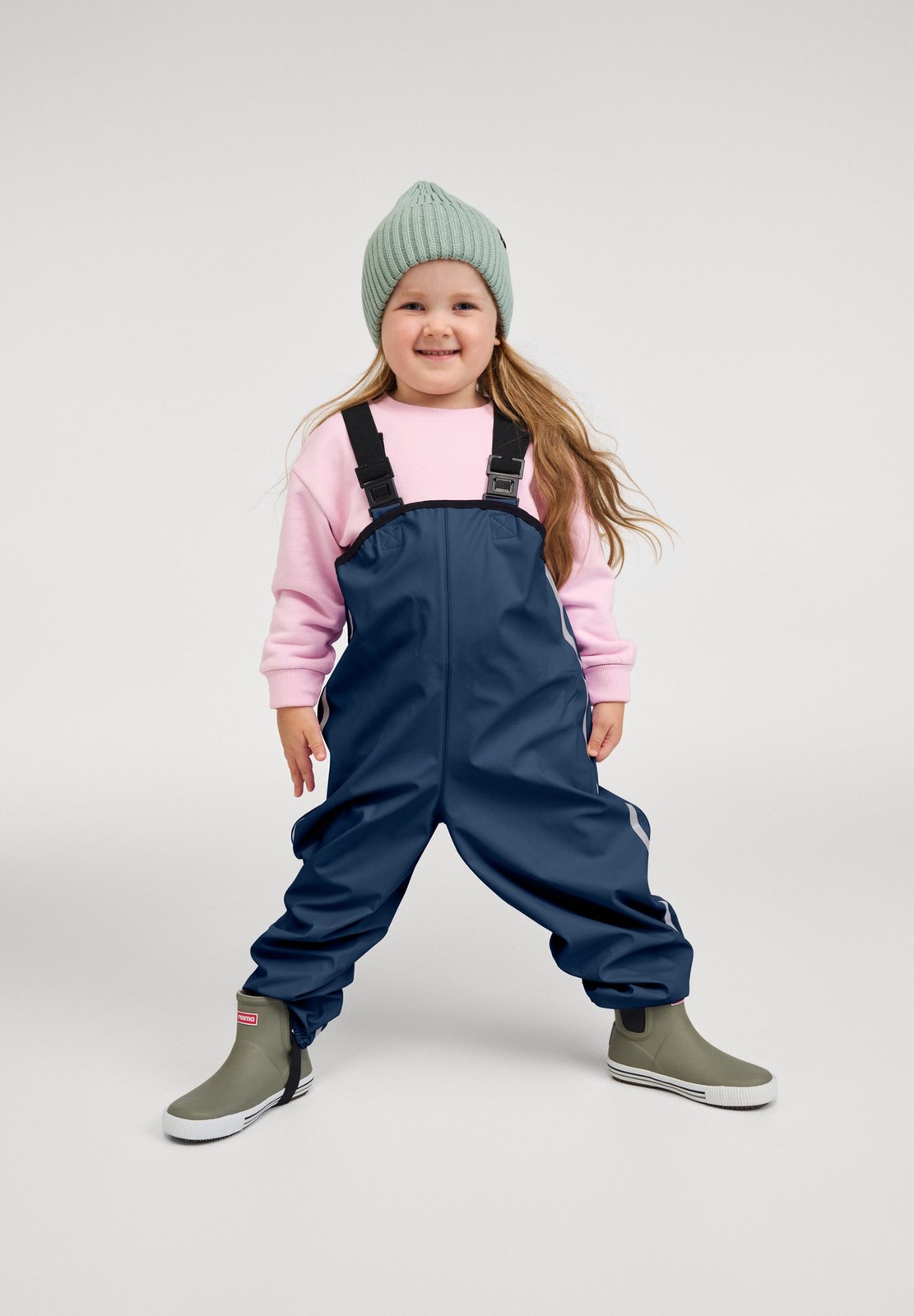
City rain clothing has a different job from gear worn continuously on a remote walk. Children may pass through heated interiors many times, so closures and manageable layers matter. A jacket such as the Lampi suggests a simple outer barrier, while separate trousers like Lammikko can be added for longer wet stretches. Try the full combination with the child’s normal clothes and day bag. Confirm present sizing, waterproofing, fit, material, warmth, and care information with Reima before deciding. A product photograph cannot show how an individual child will move through an entire day.
Field entry 05
Decide when rain trousers earn the effort
Water-resistant or waterproof trousers may be useful for playgrounds, low benches, steady rain, or a child who enjoys every puddle. They may be unnecessary for a brief dash from tram to gallery. Put them on at a clean, sheltered location before the wet segment rather than balancing beside a curb. Check that hems meet footwear sensibly and do not create a trip hazard. If the route shifts indoors, remove or vent layers as appropriate so the child is not left uncomfortable in a heated exhibition space.
Field entry 06
Give boots a real walking test
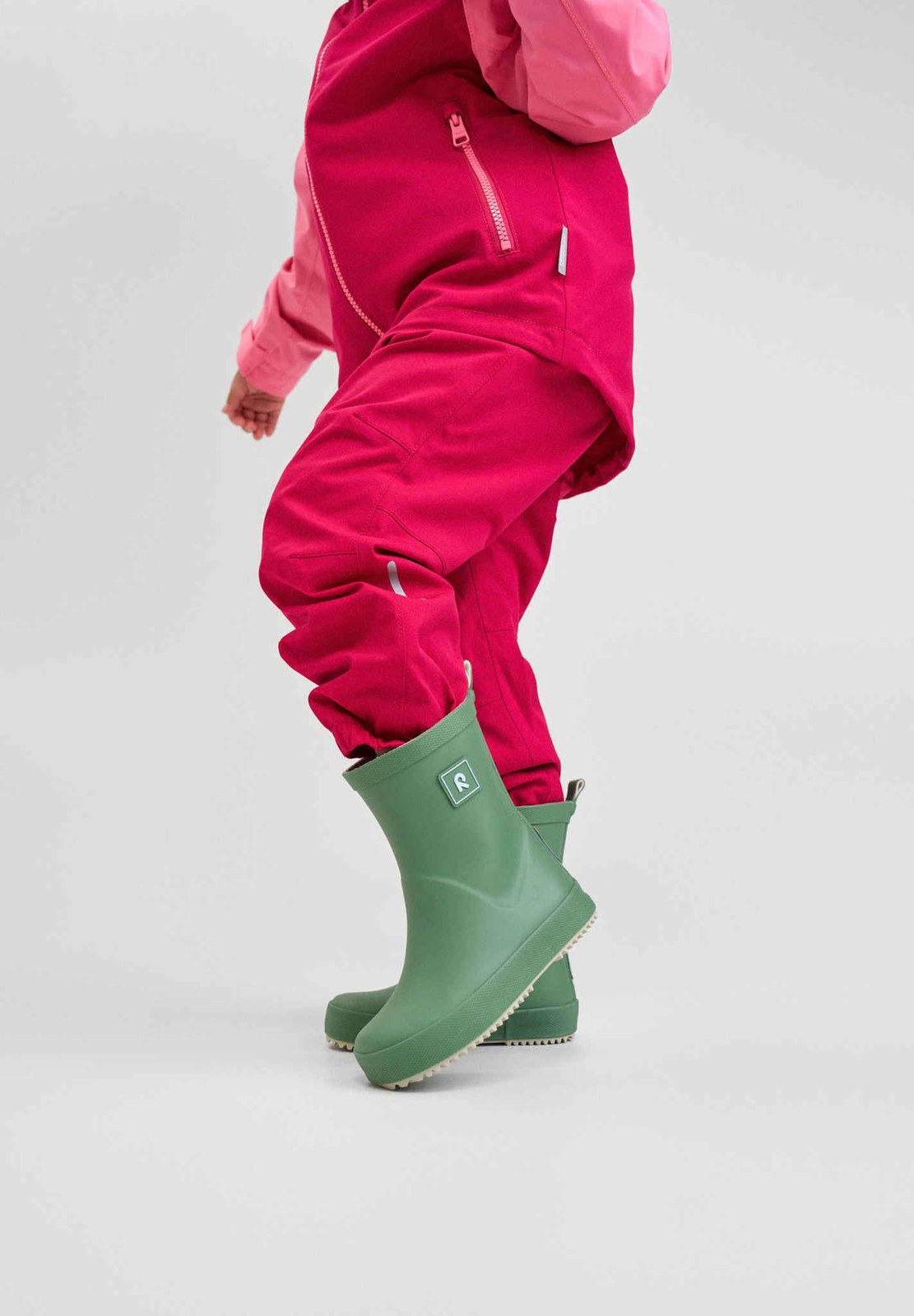
Rain boots can look ideal on a packing list yet feel very different after several blocks. The Ankka image is a reminder to examine sole, shaft, entry, sock combination, and heel movement. Test the planned footwear on an ordinary walk before travel, and carry any blister or foot-care supplies appropriate to the family. No boot guarantees comfort or footing on every surface. Wet stone, painted crossings, metal covers, and transit steps can be slippery, so slow the pace, use handrails where appropriate, and choose routes with sensible surfaces.
Field entry 07
Keep small hands functional
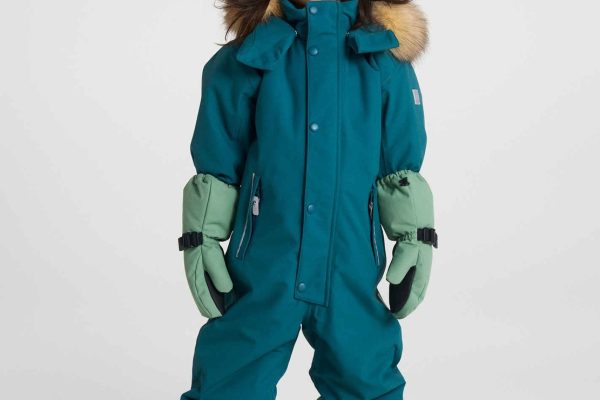
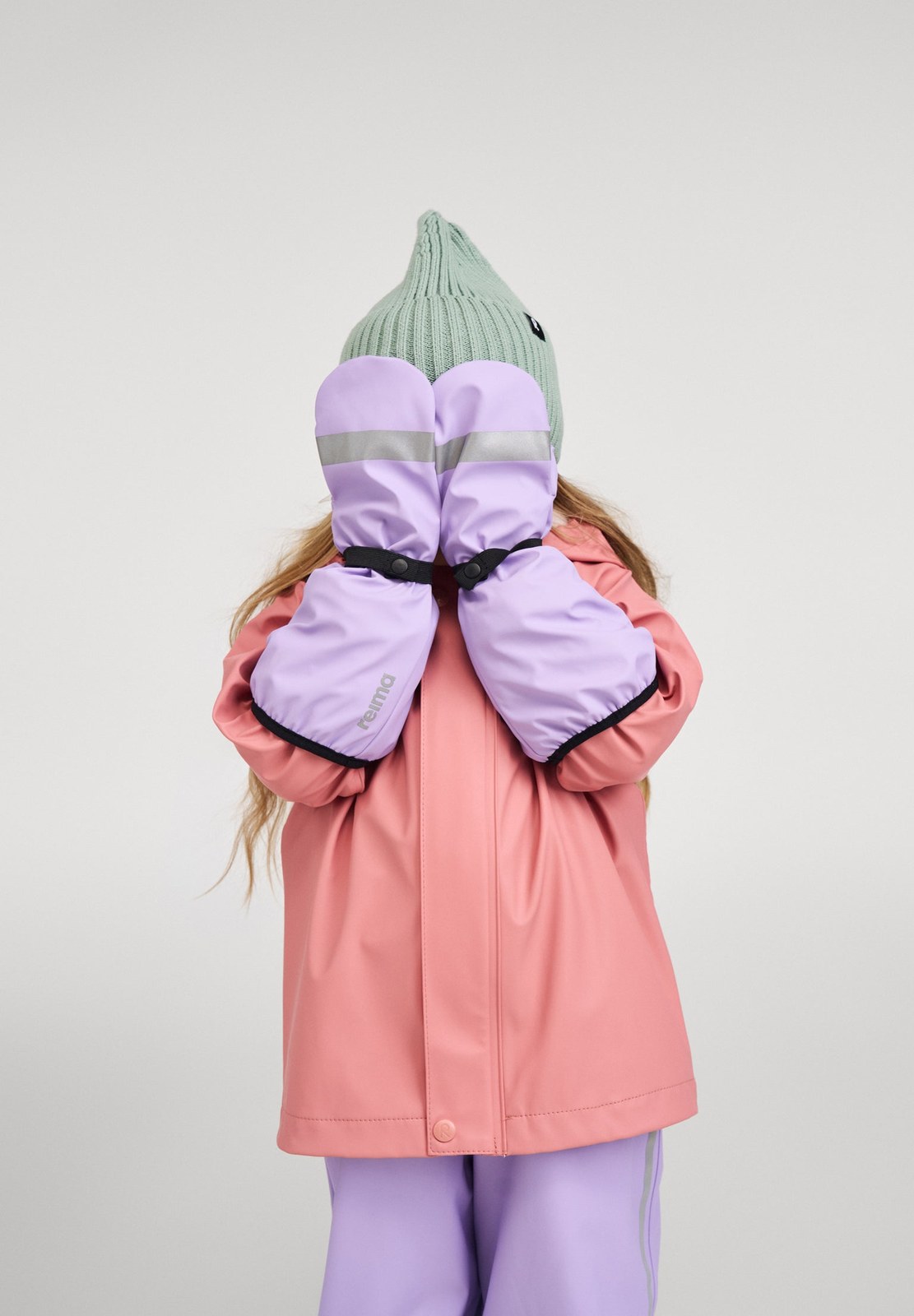
Rain mittens can help during wet playground time or a cold stroller segment, but children also need to hold hands, manage snacks, and use rails. The Kura photograph prompts a practical fitting check: cuff meeting sleeve, room for movement, and an attachment arrangement that does not create a snagging problem. Use accessories according to current product guidance and supervise their use. Store the pair together when entering a building. If mittens become wet inside or the child reports discomfort, switch to the prepared dry option rather than asking the item to solve the entire day.
Field entry 08
Pack one wet lane and one dry lane
Divide the day bag before leaving. The wet lane is a leak-resistant pouch for damp accessories, used cloths, and any item that should not touch spare clothing. The dry lane holds a complete small change suited to the child’s needs, plus protected documents and electronics. Do not place wet gear in an airtight bag for long-term storage; the pouch is only for transport to the proper drying point. Label family items clearly and keep the most likely change near the opening. This arrangement makes a mid-route reset possible without emptying the bag onto a cafe floor.
Field entry 09
Plan the first puddle stop
Children often meet the most exciting puddle within minutes, before adults have settled into the route. Choose in advance where playful water contact is acceptable and where it is not. Busy streets, vehicle entrances, deep or unclear water, and areas near electrical equipment are not play spaces. A designated park section later in the route can make it easier to say no at the wrong moment. Set a simple boundary, maintain close supervision, and allow enough time afterward for a clothing check before entering the next venue.
Field entry 10
Use transit as a reset, not a drying room
A tram or bus can reduce exposure, but it is a shared moving space. Keep wet garments contained, do not block aisles with open bags, and avoid spreading items across seats. Prepare fares or passes before boarding so adults can keep hands available. Fold strollers only where required and feasible, following local operator rules. Watch the stop sequence because steamed windows can obscure landmarks. The useful transit reset is brief: count people, check the next hinge, loosen an outer closure if appropriate, and leave with every item gathered.
Field entry 11
Choose lunch for logistics as well as food
A rainy-day lunch needs a verified opening time, enough room for the group, and a route that does not require a long exposed detour. Book when the venue recommends it and disclose practical needs rather than assuming space for a stroller or wet clothing. Follow staff directions about where coats and umbrellas belong. Use the pause to review socks, cuffs, energy, and the forecast. If the morning has already delivered enough adventure, lunch can become the turn toward the drying point instead of a launch into a second ambitious circuit.
Field entry 12
Make the museum pivot respectful
Indoor attractions are not merely shelters. They have tickets, capacity limits, security rules, quiet spaces, and other visitors. Select a venue the family genuinely wants to experience and check its current entry conditions. Before crossing the threshold, contain dripping items and make any necessary clothing change in an appropriate area. Give children a modest mission, such as finding three colors or choosing one object to discuss. A focused visit often works better than attempting every room while everyone is carrying damp gear and watching the clock.
Field entry 13
Create a fifteen-minute exit rule
Rainy itineraries improve when the family agrees on a simple exit signal. It might be persistent discomfort, soaked spare clothing, worsening wind, a closed hinge, or energy dropping below the level needed for the return. Once the signal appears, take the shortest sensible route to the drying point. This is not a failed day. It is the planned use of an escape route. Keep taxi, transit, and walking alternatives available, but verify live conditions and local service information before relying on them.
Field entry 14
Reset the room in a fixed order
On return, keep wet items near the agreed entry area and protect floors according to the property’s instructions. Remove footwear, separate saturated pieces, check pockets, and hang garments only where permitted with airflow around them. Never place items on a heater unless both the care label and property rules expressly allow it. Wipe down the day bag if needed, replenish the dry lane, and check tomorrow’s plan before everyone disperses. A consistent order prevents a wet glove from disappearing under a bed and becoming an unpleasant surprise at checkout.
Field entry 15
Verify the merchant details before choosing
Reima’s rain collection can help families compare jackets, trousers, mittens, and boots within one system, but current facts belong on the merchant’s live pages. Check size and fit guidance, waterproofing descriptions, warmth information, materials, care instructions, price, delivery, returns, and stock at the time of purchase. Match those details to the route, expected activity, existing clothes, and the child’s preferences. Buying a complete matching set is not a requirement. The better choice is the smallest useful change that solves a real gap in the family’s plan.
Field entry 16
Let the route stay small
A rainy city can still feel generous when the day is built around a few well-chosen places. Keep the loop short enough that a missed tram or longer lunch does not collapse it. Put one outdoor pleasure, one meaningful indoor visit, and one comfortable meal ahead of a long checklist. Take photos when hands are free and the group is safely out of the flow of pedestrians. Back at the drying point, note what worked while it is fresh. That record will be more useful for the next trip than a perfect-looking itinerary that nobody enjoyed following.
Current collection
Choose rain gear for the city circuit, not the photograph
Review Reima’s current rain options and confirm present sizing, fit, waterproofing, warmth, care guidance, price, shipping, returns and stock before ordering.
See Reima Rain GearCommercial disclosure: the publisher may receive compensation after an eligible purchase. Read today’s product terms and independently verify the weather and route.