The Rental-Car Bay Check Before a Family Road Trip

Rental bay protocol
Inspect the Vehicle, Fit the Seat, Then Load the Holiday
The quietest place to solve a rental-car seat problem is the collection bay, before suitcases fill the boot and the route clock starts running.
Reserve a category, plan for a change
A rental booking usually promises a vehicle category rather than one exact car. Build the child-restraint plan around that uncertainty. Record passenger count, luggage volume and seating needs, then keep enough time at collection to reject a vehicle that does not support the intended arrangement. A confirmation email is not evidence that one seating position or installation method will be available. The practical plan begins when the keys and actual vehicle are in front of you, with the current restraint instructions and vehicle manual ready to consult.
Keep the seat out of the luggage stack
Do not bury the child seat beneath cases at the carousel or in the transfer shuttle. It should reach the vehicle bay in a condition that can be inspected and used without unloading the whole family. Assign one adult to the seat and its required parts, and another to the child and ordinary baggage. If travelling alone with a child, reduce loose pieces and ask where a safe, permitted waiting area is located.
Walk around the supplied vehicle first
Before installation, document existing vehicle damage according to the rental company’s process and check that the supplied model matches the paperwork. Locate the vehicle manual, examine the intended seating position and look for anything that requires clarification. Do not assume a familiar badge means an identical interior. Trim, model year and regional specification can differ. If the manual is missing or the seating position cannot be evaluated properly, return to the desk.
Match two sets of instructions
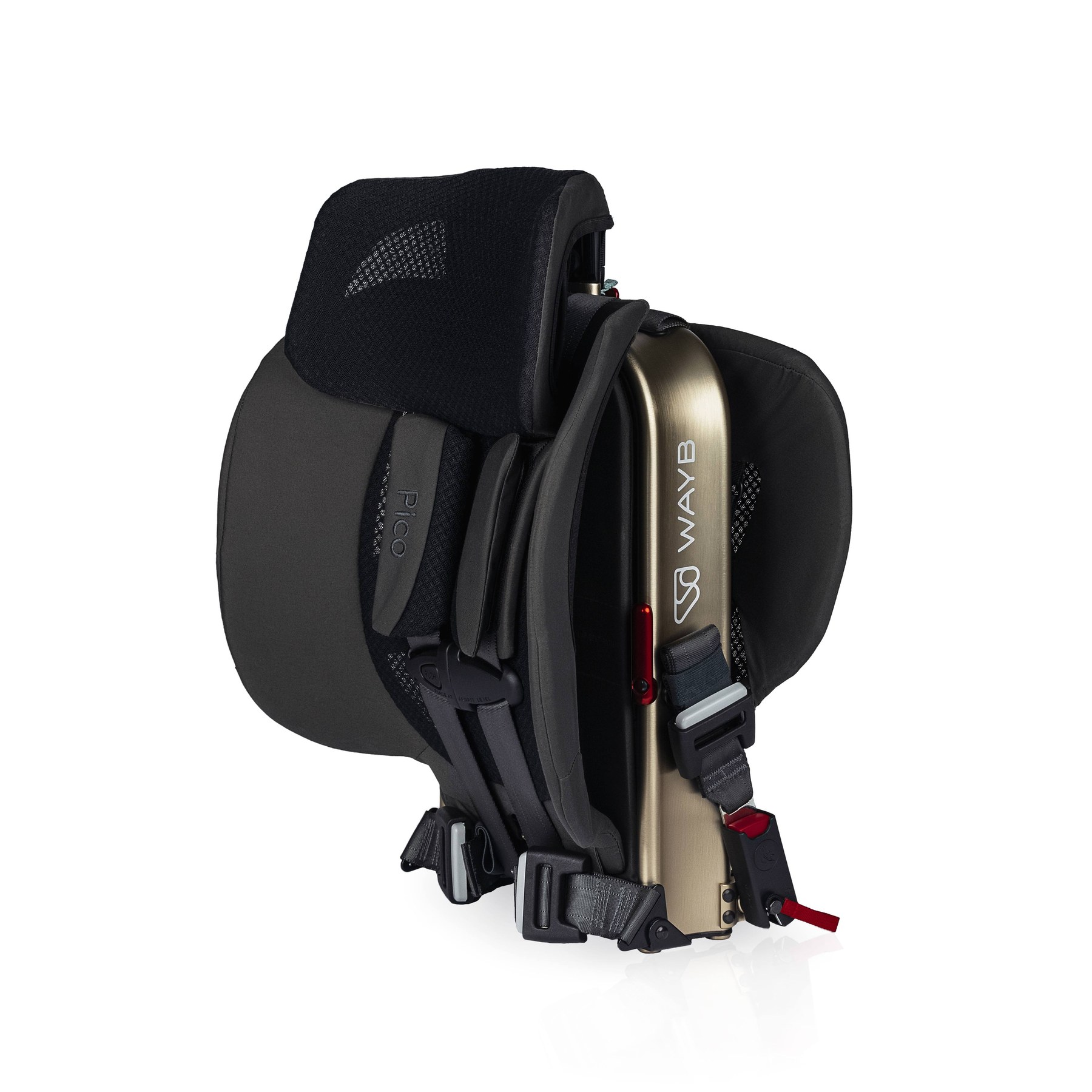
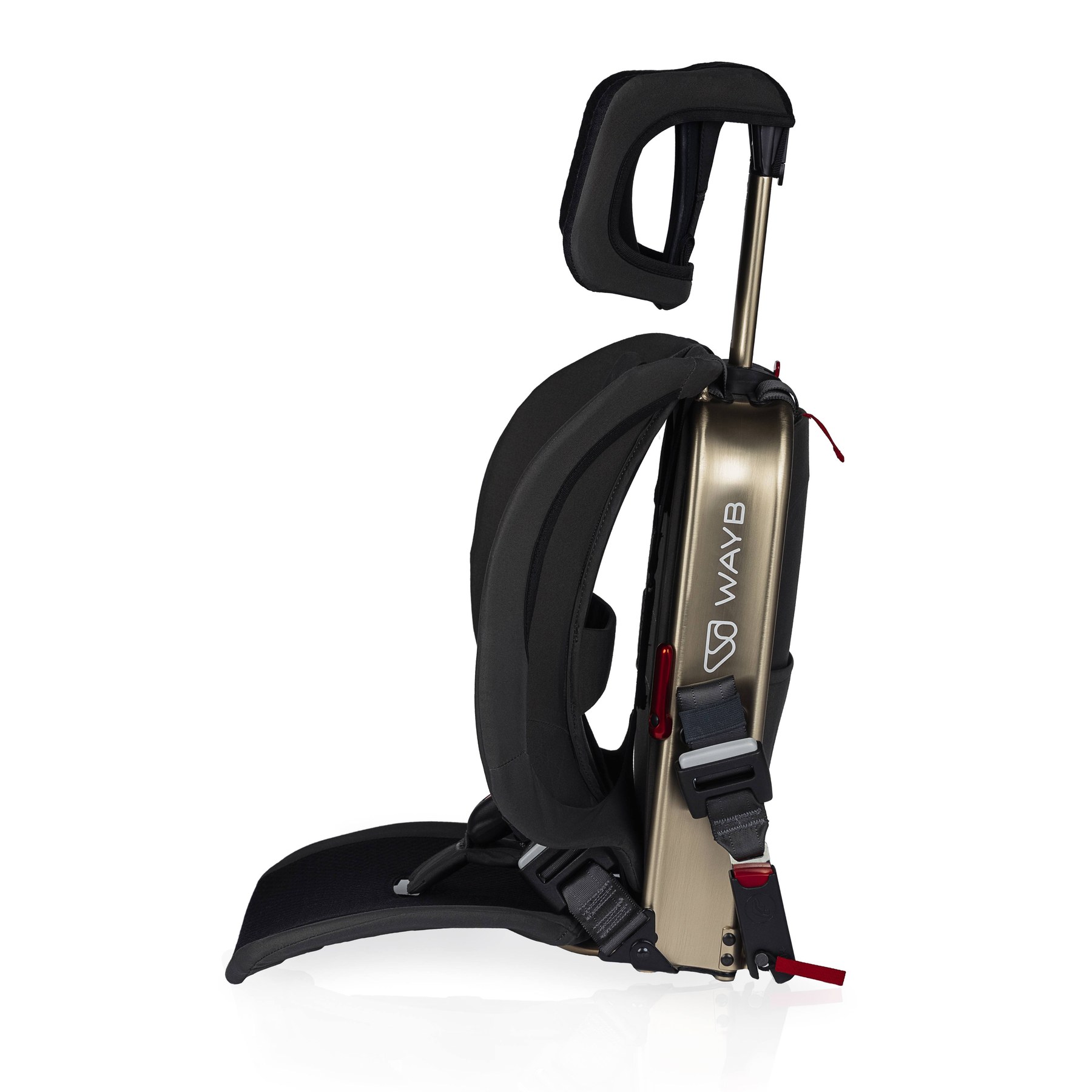
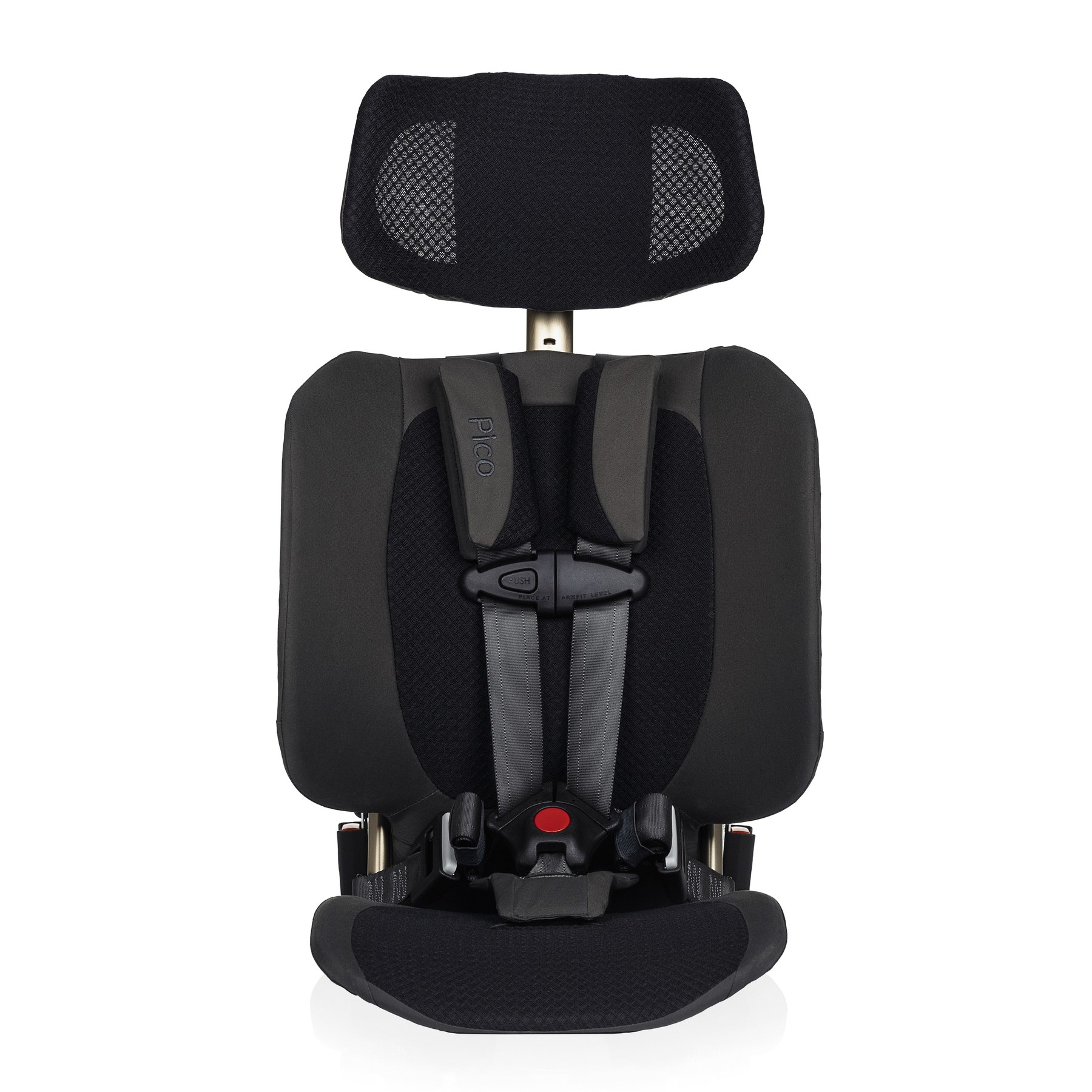
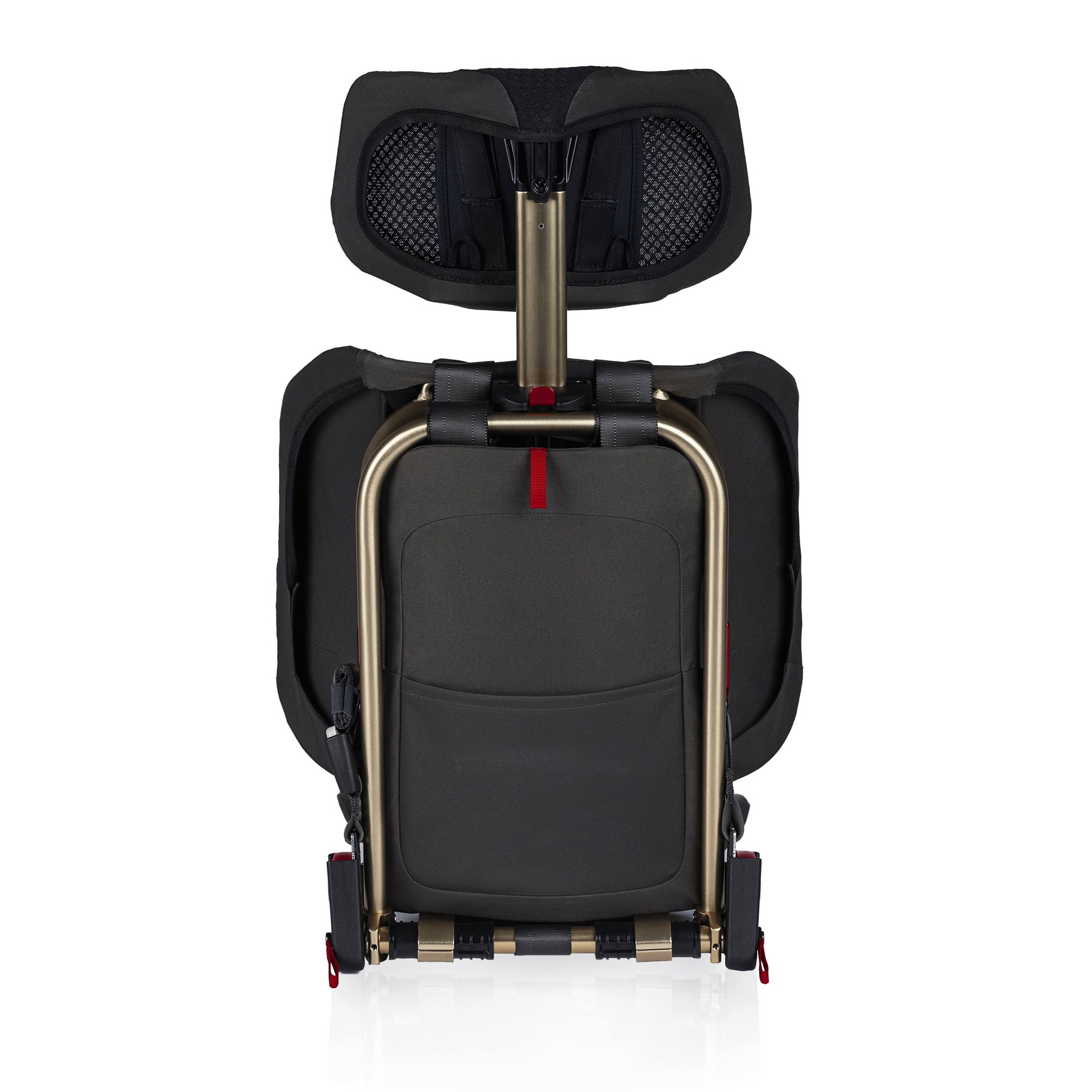
A correct setup depends on both the child-restraint instructions and the vehicle manufacturer’s information. Read the current WAYB manual for permitted methods and limits, then read the relevant vehicle section. Avoid relying on memory from another car or restraint. WAYB describes Pico as a forward-facing travel seat with an eight-pound frame, but headline details do not explain every installation decision. If the two sources do not give a clear permitted arrangement for the actual child and vehicle, seek qualified help or request another vehicle.
Install before the boot disappears
Fit and check the restraint before loading large cases into the boot or filling adjacent seats. Empty space gives the installing adult better access and makes it easier to return to the counter if the plan fails. Keep the child supervised away from moving rental traffic while the other adult works. Follow each required step in order, using adequate light rather than a phone torch balanced on luggage. The target is a correct, repeatable setup, not the fastest departure from the bay.
Make the first drive deliberately short
The opening drive should not be a three-hour motorway commitment if a short local segment is available. Choose a nearby legal stopping point where the family can regroup, check that ordinary bags remain secure and review the route. Any restraint check must follow the manufacturer’s instructions and should only be done while safely parked. A short first stage also reveals whether the driver understands the rental controls, fuel policy and toll arrangements.
Protect access during every repack
Road-trip luggage shifts as groceries, beach items and overnight bags come and go. Keep the restraint and its required routing points free from interference, and do not use it as an anchor for unrelated bags. At each accommodation change, load in a consistent order so the child area remains visible until the final check is complete. Store heavy items appropriately according to vehicle guidance. A tidy boot is useful, but the larger aim is preventing convenience items from altering a setup completed carefully at collection.
Give the daily route a reset point
Choose one predictable moment each morning to review the day’s vehicle plan. Confirm the destination, weather, stops and any border, ferry, parking or toll requirements. Follow current official guidance for the restraint and vehicle rather than inventing a ritual that contradicts it. The reset point is also where adults decide who supervises the child while luggage is moved. A short repeatable departure sequence keeps equipment, documents and people from being rushed.
Plan for valet, service and vehicle swaps
Hotels, repair issues and rental-company requests can put the car in someone else’s hands or replace it entirely. Decide whether the seat will stay with the family and how a new vehicle would be assessed. A vehicle swap restarts the process: inspect the actual car, read the relevant manual and complete the permitted installation from the beginning. Do not assume staff moving the vehicle will preserve a setup or understand its requirements.
Keep the return-day plan separate
Return day combines fuel, luggage, deadlines and an unfamiliar depot entrance. Pack the night before so the seat remains in use until the final vehicle journey is complete. At the depot, use the designated return area, supervise the child and remove the restraint according to its instructions without blocking traffic. Count required parts before leaving the bay. Rebuild the airport carry configuration only in a safe permitted place.
Review the product beyond portability
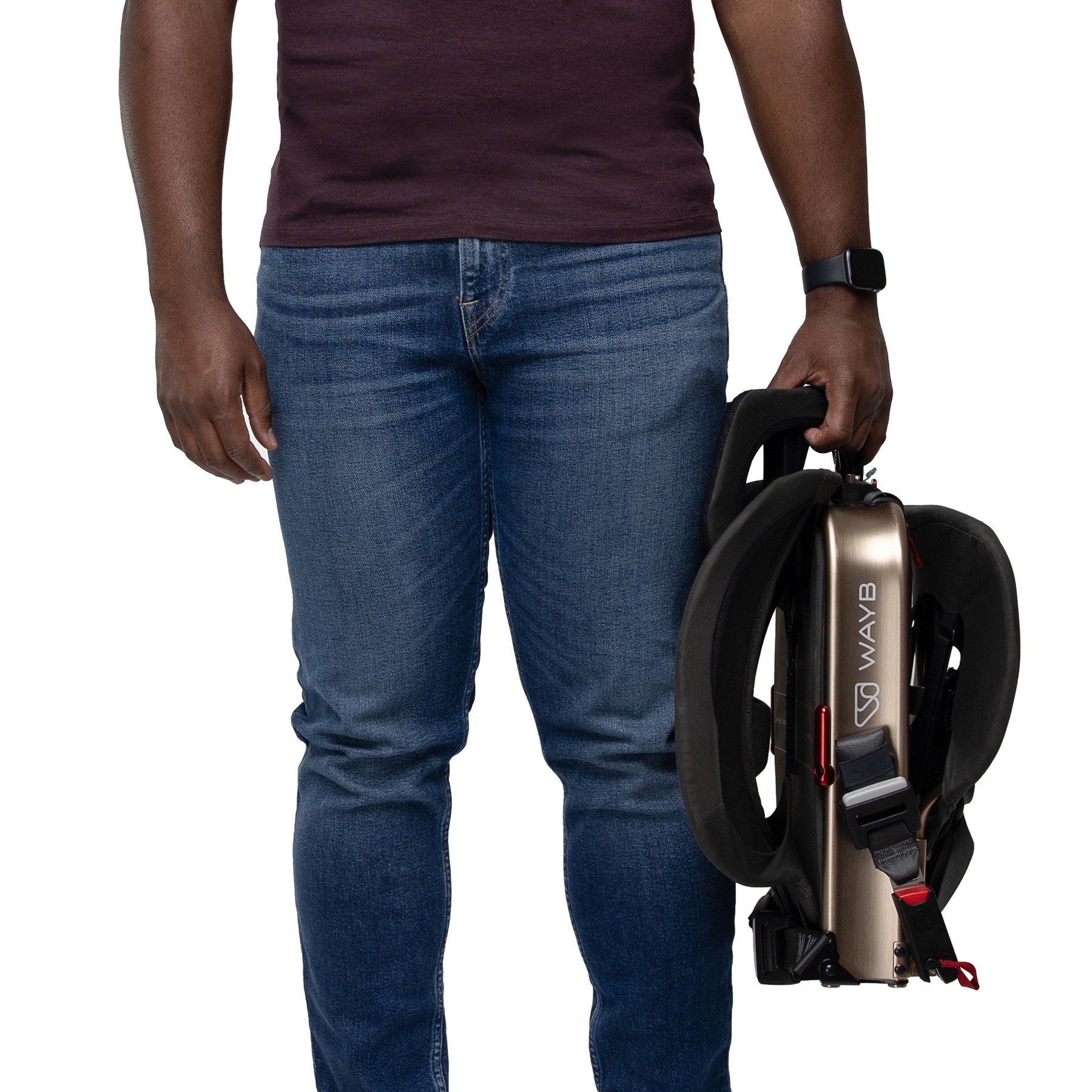
Pico’s compact fold and eight-pound weight are easy to understand as travel benefits. A purchase decision still needs more: the child’s current eligibility, every intended installation, the adults’ ability to use it correctly, maintenance needs and the trip’s regional rules. Read the latest manual and product information, and verify current airline or transport policies when flying is part of the journey. No single travel seat is automatically right for every family, car or itinerary.
Leave the bay only when the plan works
A long queue, a tired child and a prepaid hotel can make departure feel urgent. None of those pressures changes the instructions. If the supplied car does not support a clear permitted setup, return to the rental desk and explain the problem specifically. Keep records of any vehicle change. A family road trip starts well when the first decision is unglamorous and firm: the route begins only after the actual vehicle, actual restraint and actual child can travel together under current guidance.
Current WAYB product
Read the current product details before building the route
Use WAYB’s live information and current manual to check fit limits, permitted installations, care, price, shipping, returns and availability.
Affiliate disclosure: the publisher may earn compensation from an eligible order. Confirm current product information and journey rules independently.