
Hostelworld Vs Booking.Com Backpackers: Hostelworld vs Booking.com for Backpackers: The 2026 Reality Check

Hostelworld is better for dorm beds and social hostels. Booking.com is better for private rooms, guesthouses, and flexibility. That’s the short answer. But the fee structures have shifted in 2026, and if you’re booking exclusively on one platform, you’re leaving money on the table. Here’s exactly how they compare now.
The Fee Structure Problem Nobody Talks About
Both platforms claim to be free for travelers. That’s not true. You pay either through inflated nightly rates or through platform fees baked into the final price.
Hostelworld charges properties a 15% commission. Properties respond by listing the exact same bed at a slightly higher rate on Hostelworld than they do on their own website or at the front desk. Booking.com charges 15-18% commission, and the same dynamic applies.
The real difference in 2026 is the deposit structure. Hostelworld now requires a 15% deposit on most bookings, charged immediately. This deposit is non-refundable in most cases. Booking.com typically offers free cancellation until 24-48 hours before check-in, with no upfront payment on most properties.
If you’re a backpacker whose plans change every three days, that Hostelworld deposit adds up fast. Cancel three bookings and you’ve lost the equivalent of one night’s stay.
Where Hostelworld Is Cheaper
Hostelworld negotiates exclusive rates with hostel chains. In Southeast Asia and South America, the Hostelworld price for a dorm bed is often 5-10% lower than Booking.com for the same bed on the same night. This is especially true for chains like Mad Monkey, St. Christopher’s, and Selina properties.
Where Booking.com Is Cheaper
Booking.com’s Genius loyalty program gives returning users 10-15% off select properties. If you’ve booked 5+ stays in the past two years, you unlock Genius Level 2, which applies automatic discounts to thousands of properties. Hostelworld has no equivalent. For private rooms in guesthouses across Europe, Booking.com’s Genius rates consistently undercut Hostelworld.
Which Platform Has the Better Inventory in 2026
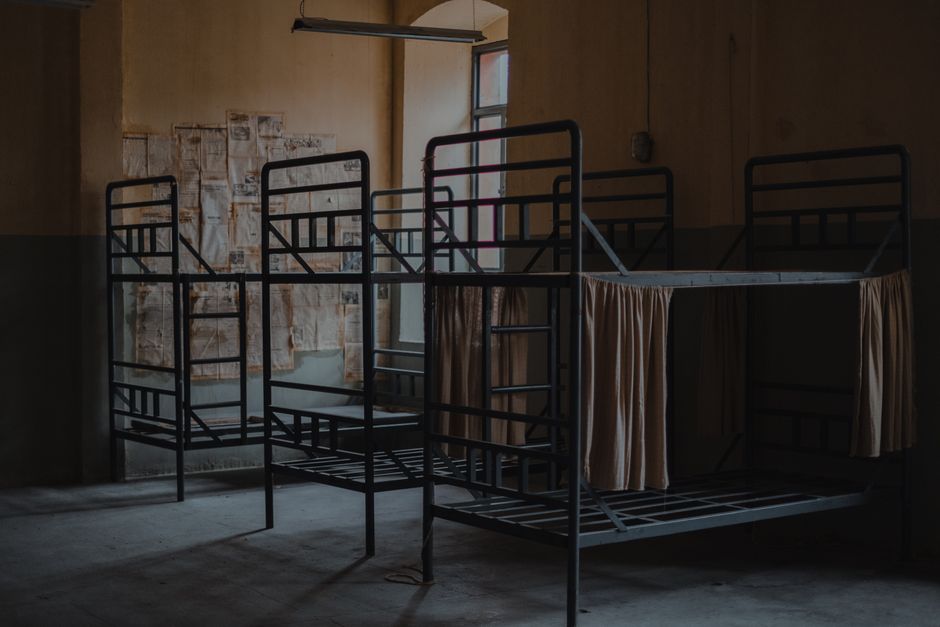
This is where the platforms diverge sharply.
Hostelworld lists approximately 17,000 hostels across 179 countries. That’s their entire business. If you want a dorm bed, a social atmosphere, and organized pub crawls, this is where the inventory lives. Booking.com lists over 28 million total properties, but only a fraction are hostels. The rest are hotels, apartments, guesthouses, and vacation rentals.
The problem: Booking.com’s hostel inventory is incomplete. Many hostels choose not to list on Booking.com because the commission is higher and the platform attracts a different traveler profile. A social hostel that runs nightly events wants backpackers, not families looking for a cheap room. Hostelworld’s audience is exactly that backpacker demographic.
But here’s the catch. In 2026, many independent hostels have started listing exclusively on their own websites or through direct booking. The commission fees on both platforms have pushed smaller operators away. If you find a hostel on Hostelworld, check if they have their own website. Often, booking direct saves you 10-15% and gets you a free breakfast or late checkout.
Social Features: What Actually Matters for Backpackers
Hostelworld’s chat feature is the single most underrated tool for solo travelers. After booking, you get access to a hostel-specific chat where other guests planning to stay on the same dates can connect. You can coordinate arrival times, plan activities, or find someone to split a taxi from the airport.
Booking.com has nothing like this. Zero social features. You book a room and that’s the end of the interaction until check-in.
For solo backpackers, this is a decisive difference. The ability to connect with other travelers before arriving removes the awkward first-day loneliness that plagues solo travel. If you’re traveling alone and staying in dorms, Hostelworld’s chat alone justifies using the platform.
However, the chat feature has a downside. It’s only available on mobile. And it’s only active for people who have already booked. If you’re browsing but haven’t committed, you can’t see who else will be there.
Comparison Table: Hostelworld vs Booking.com at a Glance
| Feature | Hostelworld | Booking.com |
|---|---|---|
| Best for | Dorm beds, social hostels | Private rooms, guesthouses, hotels |
| Deposit required | 15% upfront, non-refundable | Usually $0 upfront, free cancellation |
| Commission charged to property | 15% | 15-18% |
| Loyalty program | None | Genius: 10-15% off after 5 stays |
| Social features | In-app chat with other guests | None |
| Total property count | ~17,000 hostels | ~28 million total properties |
| Free cancellation standard | Rare, most bookings non-refundable | Common, 24-48 hour windows |
| Customer support | Slow, email-first | 24/7 phone and chat support |
| Price for same dorm bed | Often 5-10% lower | Often 5-10% higher |
The deposit difference is the biggest operational factor. If you’re on a flexible itinerary through Central America, Booking.com’s free cancellation means you can rebook without penalty. With Hostelworld, every change costs you the deposit.
Customer Support: The Horror Stories Are Real
Booking.com has 24/7 phone support. You call, a human answers, and problems get resolved. Hostelworld’s support is primarily email-based, with response times ranging from 24 to 72 hours. If you arrive at a hostel at 11pm and your booking doesn’t exist, Hostelworld won’t help you in real time.
This matters more than most travelers realize. Overbookings happen. Double-bookings happen. Hostels in popular destinations like Bangkok’s Khao San Road or Medellín’s El Poblado overbook constantly during high season. When that happens, Booking.com will find you alternative accommodation and often cover the price difference. Hostelworld will tell you to email support and wait.
For a backpacker on a tight budget, that difference can mean sleeping in a common room or paying $40 for an emergency hotel room that Hostelworld won’t reimburse for weeks, if at all.
The Verdict: When to Use Each Platform

Use Hostelworld when you want a dorm bed in a social hostel and you’re confident in your dates. The inventory is better, the chat feature is genuinely useful, and the price is often lower for that specific product.
Use Booking.com when you want a private room, need free cancellation, or value responsive customer support. The Genius discounts stack up quickly, and the platform’s sheer inventory means you’ll find options in places where Hostelworld has zero listings.
The smartest backpackers in 2026 use both. Search Hostelworld for dorm options, find the hostel you want, then check if that hostel has its own website with direct booking discounts. If not, book through Hostelworld. For private rooms or flexible bookings, go straight to Booking.com.
And never, ever book a non-refundable deposit on Hostelworld unless your travel dates are locked in stone. The platform’s cancellation policy is the worst part of the entire experience.
What’s Coming Next: Direct Booking and the Platform Shift
The biggest trend in 2026 is hostels moving away from third-party platforms entirely. Commission rates have been climbing for a decade, and many hostel owners have realized that Instagram and TikTok marketing costs less than paying 15% to Hostelworld or Booking.com on every single booking.
Expect to see more hostels offering direct-booking incentives: free breakfast, discounted first nights, free laundry, or free airport pickup. The platforms aren’t dying, but their monopoly on discovery is weakening. Smart backpackers will use Hostelworld and Booking.com as search engines, then book direct when the property offers a better deal.
The platforms know this. That’s why Hostelworld has doubled down on social features and Booking.com has expanded its Genius program. They’re trying to offer value beyond simple booking. Whether that’s enough to justify the fees remains the open question for the next five years.



0