
Morocco in March: A Marrakech-to-Desert Route
In March, one Morocco trip can cover a temperature swing of about 20°C: Marrakech afternoons often reach 24°C, while a desert camp near Merzouga can fall close to 5°C before sunrise. That contrast shapes the route, packing list and daily timing. Use seven days to combine Marrakech, a lower Atlas Mountains excursion and a three-day journey through Ait Benhaddou, the Dades Valley and the Sahara.
What is the best Morocco itinerary for March?
The seven-day route at a glance
| Day | Base | Main plan | Typical conditions |
|---|---|---|---|
| 1 | Marrakech | Medina, Bahia Palace and Jemaa el-Fnaa | 14-24°C |
| 2 | Marrakech | Majorelle Garden, souks and Mellah | 14-24°C |
| 3 | Atlas foothills | Ourika Valley or Imlil day trip | 5-20°C |
| 4 | Ouarzazate | Ait Benhaddou and the Tizi n’Tichka road | 7-21°C |
| 5 | Dades Valley | Rose Valley, Dades Gorge or Todra Gorge | 6-22°C |
| 6 | Merzouga | Erg Chebbi sunset and desert camp | 8-24°C, near 5°C at night |
| 7 | Marrakech | Long return drive, then departure or buffer night | 14-24°C |
Why this order works
Start with two slower days in Marrakech, then move east in stages. The route avoids placing the longest desert transfer immediately after an international flight, and each stop breaks the drive into a useful landscape change. A three-day desert circuit from Marrakech is the practical minimum; a two-day version spends too much time on the road and leaves little time for the Dades Valley or Erg Chebbi.
What to book before arrival
Reserve your Marrakech accommodation, Atlas guide and desert transport before flying. March is popular because the heat is manageable, but small desert camps and good riads fill faster than large city hotels. Keep one night in Marrakech after the desert circuit if your flight leaves before noon. The return drive can take nine to ten hours, and road delays are common around mountain passes.
How should you spend your first two days in Marrakech?
Day one: learn the medina on foot
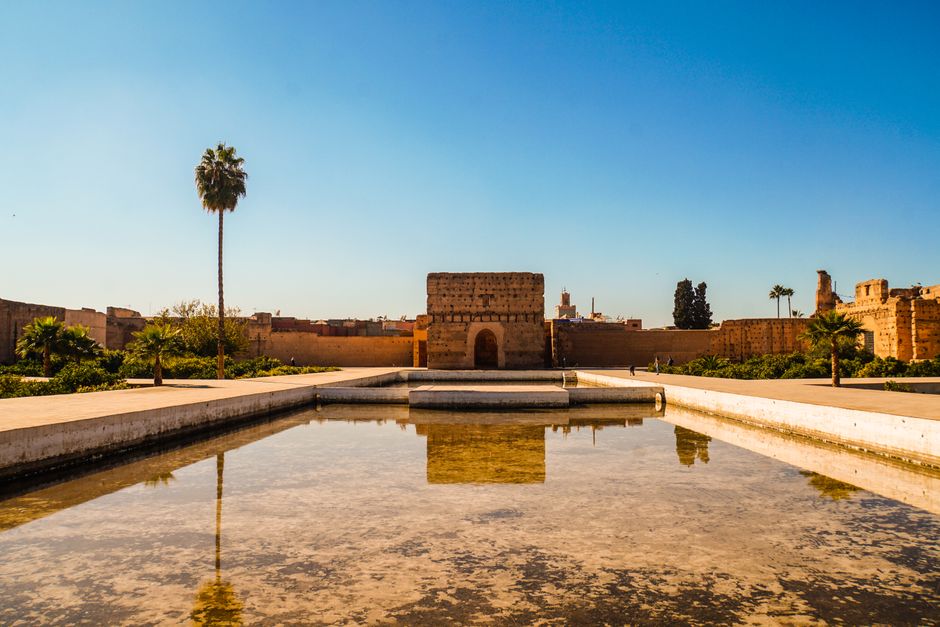
The best opening move is a short guided walk through the medina, followed by an unplanned evening around Jemaa el-Fnaa. Spend the morning at Bahia Palace, continue to the spice and leather souks, then stop before fatigue turns every alley into the same alley. Wear closed shoes, carry small cash, and save your phone map offline. Google Maps is free and works well for marking your riad, a taxi meeting point and two restaurants, but its walking routes can be unreliable inside narrow souks. Use a pinned landmark rather than an exact doorway when arranging a pickup. This first day gives you the street layout needed for later solo exploring and makes the city feel manageable instead of chaotic.
Day two: choose gardens or the Atlas foothills
Use day two for a deliberate choice: stay in Marrakech for Majorelle Garden and the Mellah, or take an early trip to the Ourika Valley. My recommendation is Marrakech for first-time visitors with only seven days, because the desert route already supplies mountain scenery. Choose Ourika instead if you want a river valley, short walks and a cooler afternoon without committing to a high-altitude trek. Do not plan a Toubkal summit as a casual day trip in March; snow, ice and sudden weather can change the route, and a local guide with the right equipment is the safer choice. The clear verdict is two Marrakech nights, with the Atlas as a low-altitude day trip rather than an ambitious summit attempt.
What should you expect from the Atlas Mountains and Sahara?
The Atlas Mountains in March
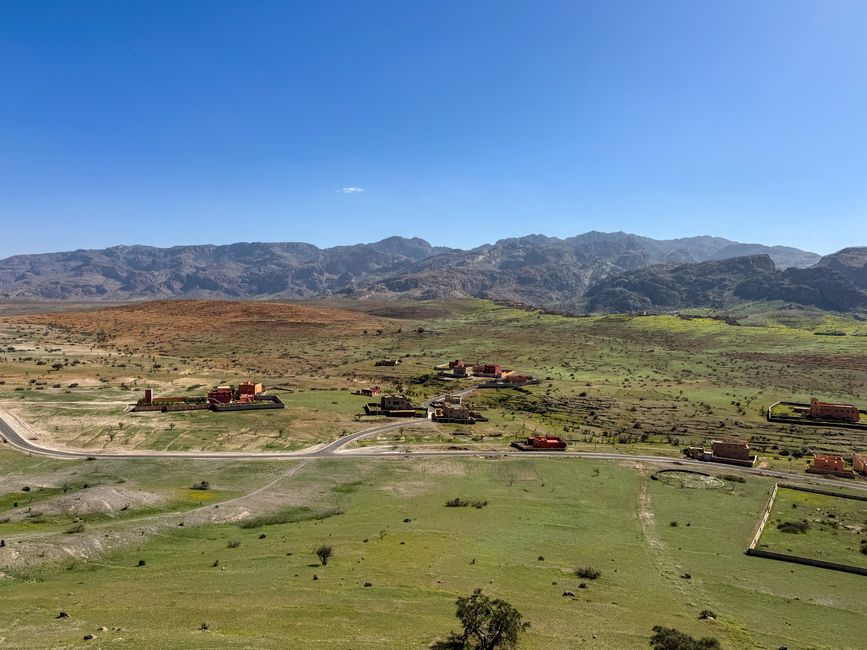
March is a good month for the lower Atlas foothills, not a guaranteed month for every mountain trail. The road from Marrakech to the Tizi n’Tichka pass rises quickly, and snow can remain on higher slopes even when Marrakech feels warm. The Ourika Valley suits travellers who want a short walk, village views and a manageable return to the city. Imlil offers stronger mountain scenery and access to longer trails, but it needs an earlier start and a guide who can explain which paths remain safe. Ask about road conditions the morning you leave; a clear forecast in Marrakech does not describe the pass.
Pack a warm layer even for a sunny hike. Shade, wind and altitude can make a 16°C mountain afternoon feel cold, while exposed paths can become hot at noon. Drink water before you feel thirsty, carry snacks, and use sturdy shoes with grip. Low-cut trainers work for a gentle valley walk; they are a poor choice for icy or rocky upper trails. This is a place where honest route selection matters more than ambition.
The desert after sunset
The Sahara is not an empty backdrop reached by a quick transfer. From Marrakech, the journey to Merzouga crosses changing terrain: red earth around Ouarzazate, steep gorges near Dades and wide plateaus before the dunes. A three-day circuit feels rushed but workable; a four-day version gives you more time for a village walk or a second night near the dunes. On arrival, a camel ride usually lasts one to two hours, followed by dinner, music and a cold night in camp. Bring a fleece, warm socks and a small headlamp. Desert camps vary widely, so confirm the toilet setup, heating, electricity and transfer point before paying. The strongest March plan is a private or small-group route with a fixed daily driving limit, not the cheapest bus with an unclear itinerary.
How do you pack and avoid the common Morocco mistakes?
Pack for four temperatures, not one forecast
- Carry sunscreen, lip balm, sunglasses and a reusable water bottle. March sun feels mild in the morning but still burns exposed skin during long drives and open desert walks.
- Keep a scarf or light overshirt handy for dust, strong sun and visits to religious sites. Pack one modest outfit with covered shoulders and knees.
Fix the mistakes that cause the most trouble
Do not pack only warm-weather clothes because Marrakech looks hot in photos. Do not book a desert tour from a street seller without confirming the group size, camp location, vehicle type and final return time. Do not schedule a domestic flight or tight connection on the same day as the desert return. Do not assume card payments work in villages or camps; keep small dirham notes for water, tips and roadside stops. The best packing decision is a light bag with one warm layer and reliable shoes, not a suitcase full of thin outfits.
Is Morocco in March worth visiting?
Is March better than summer for Marrakech and the desert?
Yes. March gives you warm sightseeing weather without the punishing midday heat that can make a desert transfer unpleasant in July or August. The tradeoff is changeable mountain weather and cold desert nights. If you want long city walks, canyon views and a campfire evening, March is the better choice. If your priority is guaranteed swimming-pool weather every day, choose late spring or summer and accept hotter inland travel.
Should you choose Merzouga or a nearer desert?
Choose Merzouga and Erg Chebbi for the classic high dunes and overnight camp experience. Choose Zagora or Agafay if you have only one spare night, but expect smaller dunes or a rocky desert landscape rather than the broad golden sand associated with the Sahara. A nearer option saves driving time; Merzouga delivers the stronger desert image. For this itinerary, Merzouga is worth the longer journey because March temperatures make the transfer bearable.
What is the single planning decision that matters most?
Protect the route from rushed transfers. Two nights in Marrakech, one sensible Atlas excursion, and three days to reach and leave Merzouga create a trip with time to look around rather than only photograph the next stop. Book the desert section around daylight and road time first, then fit city activities into the remaining space. Morocco in March is best when you pack for the cold nights, keep the mountain plan realistic and give the Sahara three days instead of forcing it into two.

0