
Spring in Seville Before Holy Week: Orange Blossom and Quiet Plazas
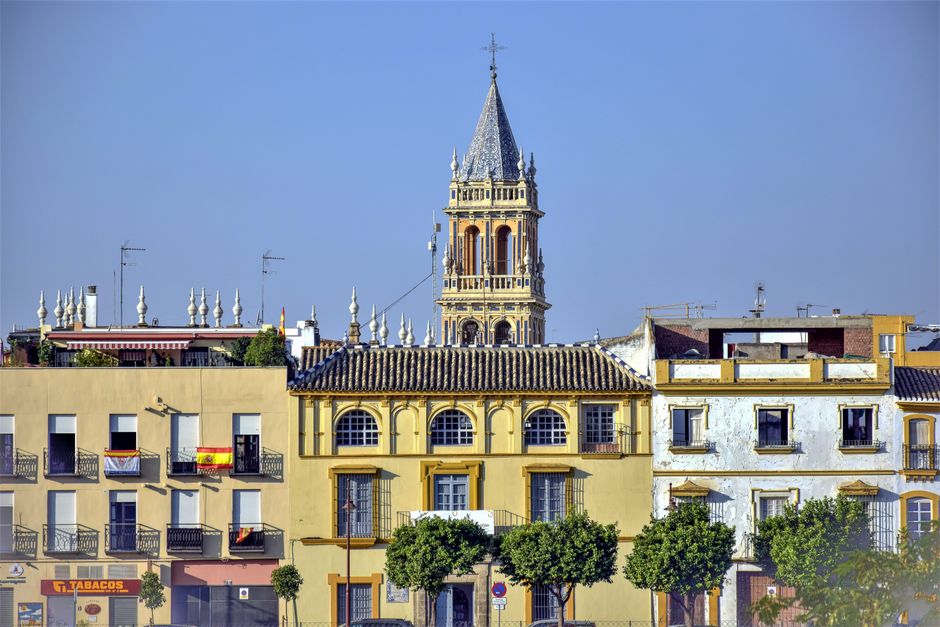
Can you see Seville’s orange blossom and historic plazas before Holy Week without getting swallowed by the crowds? Yes. The best plan is simple: visit in the second half of March, walk before 10:30, and use the small squares around Santa Cruz as your base. You will get the scent, light, and tiled courtyards that make spring special, with far less street congestion than Semana Santa itself.
When is Seville quietest before Holy Week?
The useful window
March 9 to March 28, 2026, gives the strongest balance of mild weather, open attractions, and manageable streets. The city already feels springlike, but the main processions have not started. Orange blossom timing varies with rain, wind, and temperature, so do not plan around one exact flowering day. Late March is the safest bet for a scented walk.
| Dates | What the city feels like | Best use of the day |
|---|---|---|
| March 9–15 | Mostly normal local rhythm | Explore Santa Cruz, Triana, and central markets |
| March 16–28 | Spring atmosphere with some Holy Week preparation | Book a morning walking route and visit courtyards |
| March 29–April 5 | Semana Santa, processions, barriers, and packed central streets | Follow a planned route rather than wandering |
| April 6–12 | Holiday effects ease, though some businesses vary their hours | Return to plazas and parks for a slower visit |
What changes in 2026
For 2026, Seville’s official mobility measures run from March 16 through April 6, covering the run-up to and main period of Holy Week. The city also lists Semana Santa from March 29 through April 5. Read the official 2026 mobility plan before setting a route. The practical verdict is clear: arrive before March 29 if quiet plazas matter more than seeing processions.
How to smell the orange blossom on foot
A two-hour morning route
- Start at 8:00 at the Patio de Banderas. The space beside the Alcázar and Cathedral is calmer before tour groups arrive. Look upward rather than searching only at eye level; the white flowers hide among dark leaves.
- Walk through Santa Cruz to Plaza de Doña Elvira. The route is less than one kilometre and takes about 15 minutes without stops. The narrow lanes hold the scent well on still mornings.
- Continue to Plaza de Santa Marta and Plaza de la Alianza. These small squares reward slow walking, not a checklist. Sit for five minutes and let the city noise build around you.
- Head toward the Jardines de Murillo. This adds roughly 1.2 kilometres. The gardens provide shade, benches, and a wider view of Seville’s orange trees.
- Finish at Plaza de España if you want grand architecture. Go before 10:30 for the best chance of clear sightlines around the canal and tiled alcoves.
Three small rules that improve the walk
- Use your nose as a guide, but do not expect every tree to flower at once. Some streets smell intense; others may have almost no scent.
- Do not eat the oranges from street trees. Seville mainly plants bitter orange trees, and the fruit is not intended as a snack.
- Carry water even on a cool morning. Sun on pale stone becomes strong quickly, especially after 11:00.
The route covers about 3 kilometres with detours. It works best at a gentle pace, with time for ceramic details, shaded doorways, and the changing smell between open squares and narrow lanes.
Which Seville plazas are actually calm?
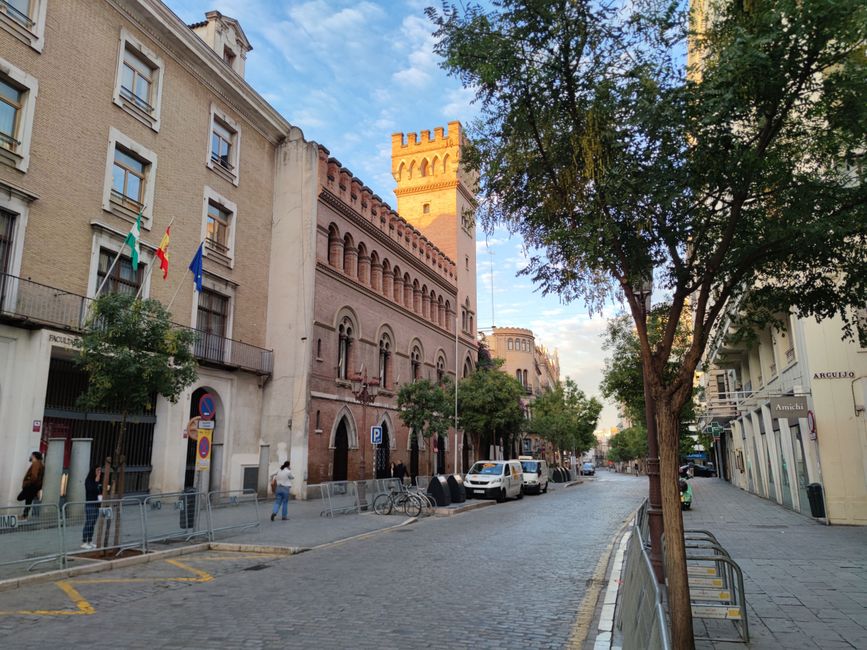
For quiet, choose Plaza de Santa Marta first. It is smaller and less theatrical than Plaza de España, but that is exactly why it works. The square sits close to the Cathedral yet feels tucked away from the main pedestrian flow. Visit before 9:30, when the benches and orange trees still belong mostly to residents.
Best for silence: Plaza de Santa Marta
Santa Marta is the best choice for a short pause. Its scale creates a different mood from Seville’s major monuments. You will not find a long attraction list here, and that is an advantage. Sit, listen for bells, and watch the light move across the surrounding walls. Keep your visit quiet; the square is a place to inhabit, not a stage for a large photo session.
Best for orange trees: Plaza de Doña Elvira
Doña Elvira gives you the classic Santa Cruz scene: flowerbeds, a fountain, benches, and orange trees inside a pedestrian square. It becomes busy later, but an early visit feels composed rather than crowded. Plaza de la Alianza is a strong nearby alternative when Doña Elvira has too many groups. Both squares work well as part of the same short loop.
Best escape from the stone streets: Jardines de Murillo
The Jardines de Murillo are the better choice when you need space and shade. They are not as enclosed or cinematic as the small plazas, yet the wider paths make the visit less tiring. For a first-time visitor, the winning order is Santa Marta for quiet, Doña Elvira for atmosphere, and Murillo for a longer rest. Plaza de España remains worth seeing, but it is a monument stop, not your best quiet-plaza stop.
What can ruin the experience?
Will the orange blossom definitely be out?
No calendar can promise a perfect scent. Warm weather can bring flowers forward, while rain and wind can shorten the strongest period. Build your day around several streets and squares instead of one famous tree. The official tourism site describes March and April as the city’s main orange-blossom season, but local conditions still decide the exact week. Check the forecast two days before your walk and keep one flexible morning.
Can you drive into the historic centre?
Driving is the wrong choice for this trip. Narrow lanes, pedestrian zones, temporary barriers, and Holy Week restrictions make a car slow and stressful. Use a taxi or public transport to reach the edge of the old town, then walk. During the 2026 preparation period, road conditions can change around central works and event routes, so a route that looks short on a map may require a large detour.
What mistake do visitors make with Holy Week dates?
Many travellers book a “quiet spring” trip that overlaps with the first major processions. From March 29 to April 5, processions can change crossings and block streets for hours. Churches, restaurants, and attractions may also adjust opening times. If you want calm, book lodging before March 29 and schedule your main old-town walks from Monday to Thursday in the preceding week. If you want Semana Santa, accept the crowds and plan around the official procession information instead of expecting a normal city break.
Should you visit before Holy Week?
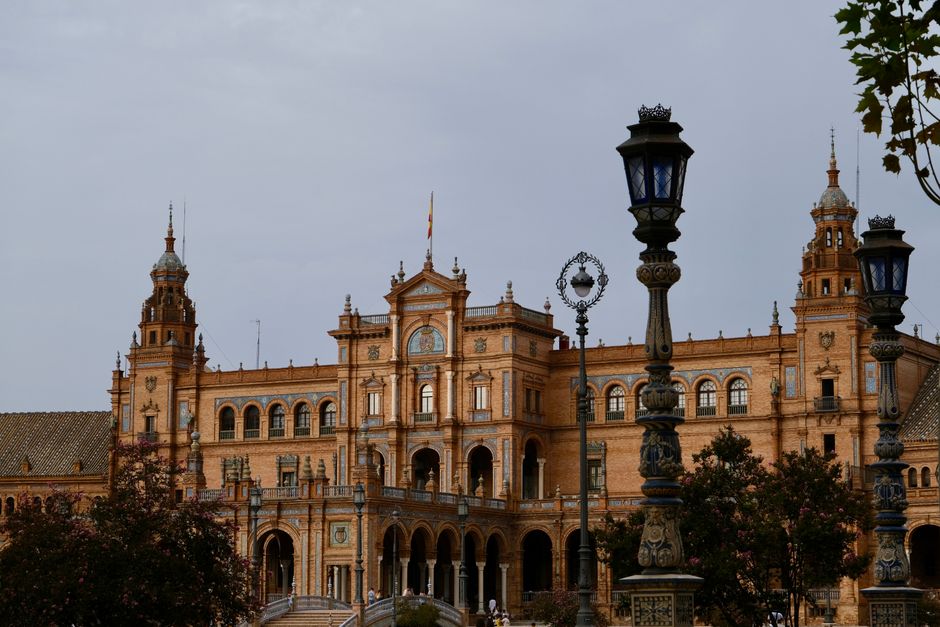
Visit before Holy Week if orange blossom, quiet plazas, and easy walking are your priorities. The city still has its spring character, but you can move between Santa Cruz, the Cathedral, and the river without building every hour around a procession route. This is the best version of Seville for travellers who want atmosphere without constant crowd management.
Choose the pre-Holy Week window for these reasons
- You can walk the historic centre early and return to the same streets later without losing half a day to barriers.
- Small plazas such as Santa Marta and Doña Elvira feel more local before group tours reach them.
- You have a better chance of finding flexible restaurant times and unhurried café tables.
- March light is usually comfortable for long walks, though afternoon sun can still feel hot.
Choose Holy Week only for a specific reason
Choose Semana Santa if the processions, music, and religious traditions are the main purpose of the trip. It is a powerful cultural event, but it is not a quiet-plaza holiday. Expect altered transport, blocked lanes, late nights, and crowded viewing areas. Neither choice is wrong; they serve different trips.
| Your priority | Best timing | Clear verdict |
|---|---|---|
| Orange blossom and calm walks | March 9–28, 2026 | Best overall choice |
| Small plazas with fewer groups | Early mornings before March 29 | Start by 8:00 |
| Processions and local tradition | March 29–April 5, 2026 | Choose Holy Week deliberately |
| Flexible sightseeing after the event | From April 6 onward | Good quieter alternative |




0