
Seven Ways to Beat the Heat on a Summer City Trip
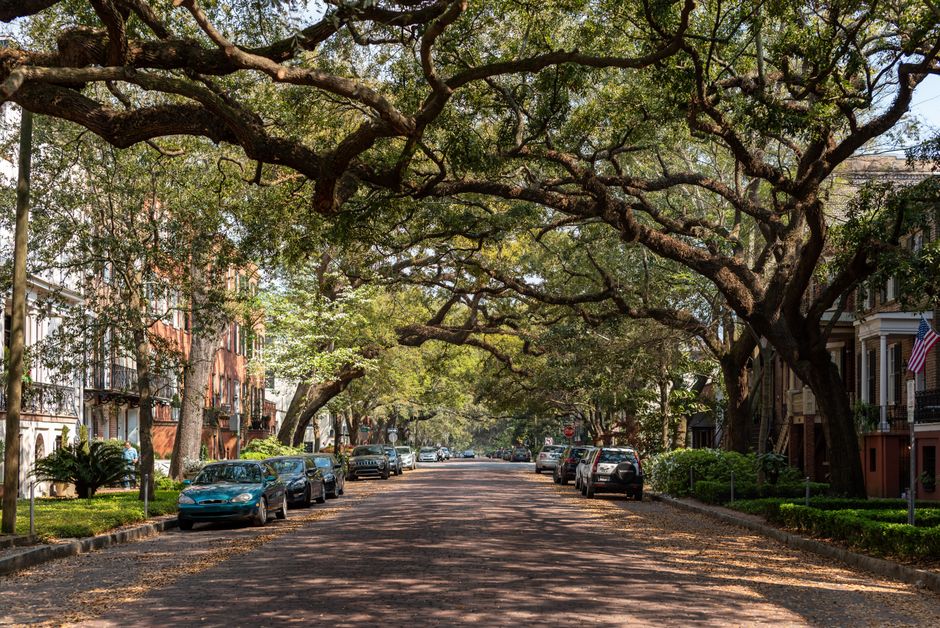
A long summer day abroad sounds perfect until the pavement reflects heat at 2 p.m., your shirt sticks to your back, and every attraction has a queue outside. The fix is not heroic endurance. It is better timing, smarter clothing, reliable water, and a hotel room that can actually cool down.
Why long summer days feel hotter than the forecast
The forecast is only one part of the problem. A city adds concrete, traffic, reflected sunlight, crowded sidewalks, and buildings that hold heat long after sunset. A listed temperature of 30°C can feel much worse beside a stone plaza with no trees than beside a breezy waterfront.
Heat builds through exposure
Your body gains heat from direct sun, hot air, warm surfaces, and physical effort. Walking uphill to a viewpoint while carrying a full backpack creates a different strain from sitting in a shaded café, even if both happen at the same temperature. Humidity makes sweat evaporate more slowly, so your natural cooling system works less well. Long daylight hours also tempt travellers into a bad pattern: sightseeing from breakfast until dinner with no real recovery break.
The first principle is recovery, not toughness
The best way to beat the heat on a city trip is to lower heat exposure before you feel desperate. Plan the most exposed activity early, move indoors during the hottest hours, and keep the final part of the day flexible. If someone becomes confused, faints, vomits repeatedly, or stops sweating despite feeling extremely hot, stop sightseeing and seek urgent medical help. For ordinary heat fatigue, the winning move is simple: shade, fluids, a cool room, and time off your feet.
Plan your sightseeing around shade, not opening hours
My strongest recommendation is to treat the middle of the day as a strategic pause. You do not need to waste your trip in a hotel, but you do need to stop pretending every hour has the same value. A famous outdoor landmark is more enjoyable at 8 a.m. than at 2 p.m., even if the early visit requires setting an alarm.
Use a three-block city schedule
- Morning block: Walk, queue, climb, and visit outdoor sights between 7:30 a.m. and 11:30 a.m., when streets and stone surfaces have had less time to heat up.
- Heat break: From roughly noon to 4 p.m., choose a museum, cinema, long lunch, market hall, hotel nap, or shaded café with indoor seating.
- Evening block: Restart with parks, viewpoints, river walks, and outdoor dining after 5:30 p.m. The city will still be bright, but the sun will sit lower and the pace will feel easier.
Reserve the activities that punish you
Book popular outdoor attractions for the first available slot, not the slot that looks convenient on your booking screen. Keep one indoor option near every outdoor cluster. In Rome, pair an early Colosseum visit with an air-conditioned museum later. In Seville, walk the historic centre before lunch, then move inside until the evening. In Lisbon, do the steepest neighbourhoods early and use a tram or taxi for the return. This is not an invitation to over-plan every minute. It is a way to protect the hours when heat makes walking slow and tempers short.
Wear clothing that lets sweat escape
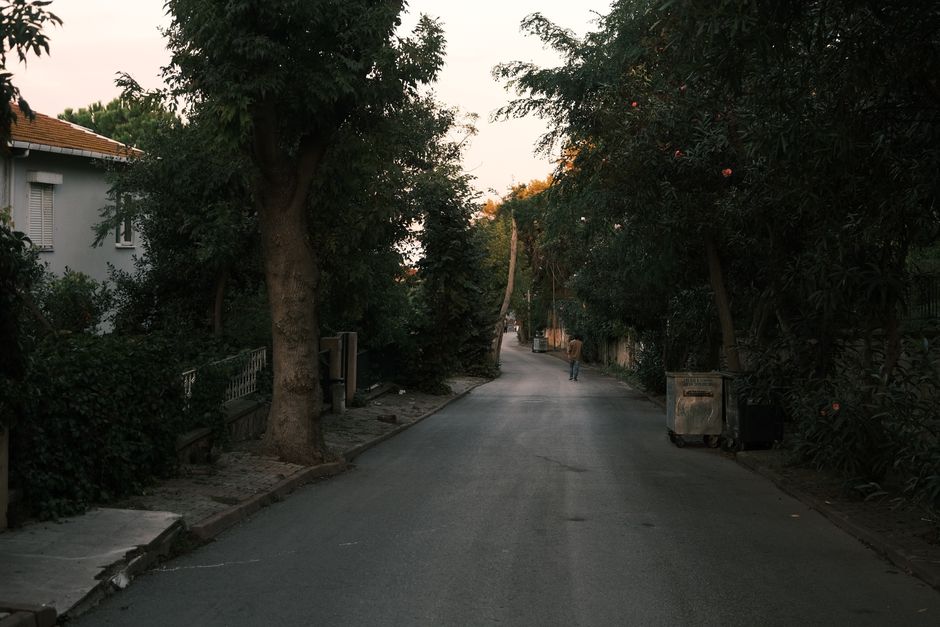
Do not solve hot-weather travel by wearing the thinnest shirt you own and exposing every inch of skin. Bare shoulders and a dark cotton top can leave you hotter, sunburned, and less comfortable than a loose layer that blocks direct radiation. The best city-trip outfit creates shade, moves moisture away from the skin, and stays presentable enough for churches, restaurants, and public transport.
Choose loose, light, fast-drying layers
Linen, lightweight cotton, and technical polyester can all work. The cut matters as much as the fabric. Choose loose trousers or knee-length shorts, a relaxed shirt, and a thin overshirt that you can remove indoors. Light colours absorb less visible sunlight than black. Avoid tight synthetic tops that trap sweat against your back, and avoid heavy denim because it dries slowly and becomes uncomfortable after a sudden shower or a long walk.
Cover the places sunscreen misses
A brimmed hat protects your face and ears better than a baseball cap. Sunglasses with full UV protection reduce glare from water, pale stone, and glass. Apply broad-spectrum sunscreen before leaving and renew it after heavy sweating or swimming; clothing cannot protect your hands, neck, ankles, or the part in your hair. A thin long-sleeve layer is especially useful for travellers who burn easily or who plan to sit outside for hours. The clear verdict: shade from clothing is a daily tool, not a sign that you packed badly.
How do you choose a hotel room that stays cool?
A cheap room with poor sleep can ruin three days of sightseeing. Air conditioning matters, but the label alone does not prove the room will feel comfortable. Read recent reviews for practical details: room temperature, noise, blackout curtains, window direction, and whether the system runs when you leave the room.
Is air conditioning enough?
No. A room can advertise air conditioning while using a weak wall unit that shuts off whenever the key card leaves its slot. Look for recent comments that mention cooling performance during July or August, not vague praise about a “comfortable stay.” A quiet split system is better than a loud portable unit. If the property has no central system, ask whether guests can control the temperature and whether the windows open safely for overnight airflow.
Which room features matter most?
Choose a room away from a busy road, bar, elevator, or rooftop machinery. Blackout curtains reduce morning heat gain and protect sleep after a late evening. A small refrigerator gives you cold water, but it does not replace a working air conditioner. Request a room on a lower or shaded side of the building when possible, especially in cities where top floors sit directly under a hot roof. Pay more for reliable sleep before paying more for a view. A beautiful balcony is a poor trade if it turns the room into a greenhouse.
When should you book a different property?
Move on if recent reviews repeatedly mention broken cooling, moldy ventilation, or rooms that cannot drop below 27°C at night. The right hotel is part of your heat plan, not just a place to store luggage.
The best heat-proof city-trip plan is boring and effective
My verdict: build the trip around two outdoor blocks and one protected recovery block. That structure beats buying more gear because it reduces the total heat your body has to handle. The equipment helps, but it cannot rescue a schedule that keeps you on sun-baked streets for nine straight hours.
A practical long-day template
- Start with water, sunscreen, a hat, and a light overshirt before leaving the hotel.
- Visit the most exposed landmark between 7:30 a.m. and 10:30 a.m., using public transport for the steepest or busiest return route.
- Eat lunch indoors and spend the hottest hours inside a museum, hotel, market hall, or cinema instead of wandering for a table.
- Refill your bottle before the evening walk, change into a dry shirt if needed, and keep the final outdoor stop optional.
- Return to the hotel before exhaustion becomes the decision-maker. A second day with energy is worth more than one extra viewpoint.
What to spend money on first
Spend first on a room with reliable cooling, then on shoes that stay comfortable for long walks, then on a bottle and sun-covering clothing. Buy a cooling towel only if your itinerary includes exposed queues, humid streets, or long outdoor events. You do not need a perfect travel wardrobe or an expensive gadget collection. When the morning starts cool, the afternoon happens indoors, and the evening returns after the pavement loses its bite, that long bright day abroad ends with dinner and enough energy to enjoy it.



0