
Late-Winter City Break Packing for Cold, Wet Weather
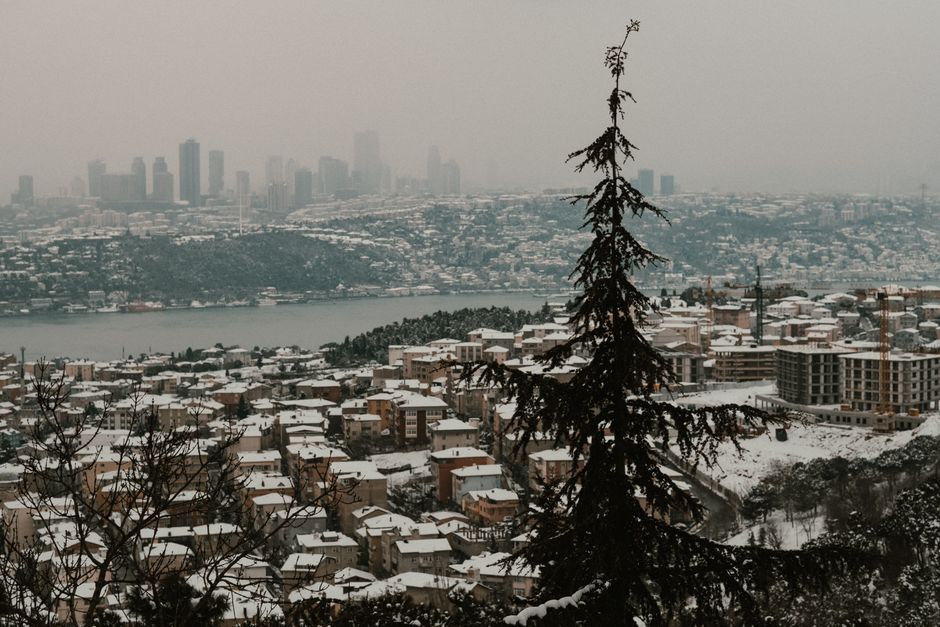
You leave the hotel at 8 a.m. in a dry-looking street, spend three hours walking beside a river, then step into a heated museum with wet cuffs and cold hands. By dinner, your coat feels too warm indoors, your shoes have soaked through, and the extra jumper in your bag has become a damp emergency layer. This is the usual late-winter city-break problem: changing conditions, long hours outside, and very little space for bulky clothing.
How to Build Layers for Cold, Wet City Weather
The best late-winter system does not start with the thickest coat you own. It starts with separate jobs. The base layer controls sweat, the middle layer holds warmth, and the outer layer blocks wind and rain. That separation lets you adjust indoors without carrying a second complete outfit.
Plan for exposure, not just the forecast
A forecast of 8°C can feel mild on a sheltered shopping street and bitter on an exposed bridge. Wind removes the warm air held near your skin, while rain makes cuffs, socks, and trouser hems feel cold long before your torso does. Your walking speed also changes the result. A fast uphill walk creates sweat; a slow wait for a tram leaves you standing still. Pack for the colder and wetter parts of the day, then use zips and removable layers to manage the warmer parts.
For most late-winter city breaks, a thin long-sleeve base, a light insulating layer, and a rainproof shell cover more conditions than one heavy sweater. The system works best when every layer fits over the one beneath it without pulling at the shoulders or blocking your arm movement.
Use the right order of layers
Wear the layer closest to your skin for moisture control. Merino wool and synthetic fabric usually perform better than cotton during long walks because they dry faster and remain more comfortable when slightly damp. Add fleece, wool, or a compact insulated jacket for warmth. Finish with a shell that has a real hood, sealed or protected zips, and enough room for the middle layer.
The clear verdict is simple: choose three moderate layers over one oversized jumper. You gain better temperature control, faster drying, and a practical way to cope with overheated cafés, trains, galleries, and shops.
What to Pack for Rain, Wind, and Heated Buildings
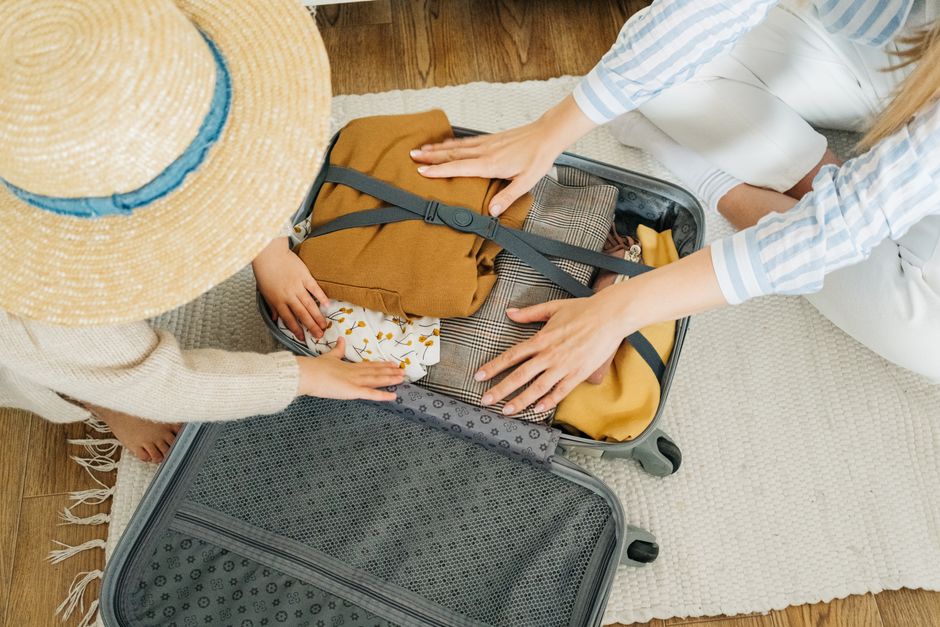
Cold, wet travel is not one problem. It is a sequence of small problems: rain entering at the neck, wind reaching the wrists, damp socks, and indoor heating that makes a thick coat uncomfortable. Pack around those entry points. A waterproof jacket without a hood adjustment still lets rain run down your collar. Warm clothing without breathable fabric can leave you damp from your own sweat.
Protect the parts that get wet first
Choose a hood that turns with your head instead of blocking your view. A two-way or adjustable cuff helps stop rain entering at the wrist. Trousers should cover the top of the shoe, but not drag through puddles. A compact umbrella works on calm streets, yet it becomes unreliable in strong wind. For a windy destination, a hooded shell is the stronger primary choice.
Keep one dry pair of socks in a sealed bag inside your day bag. That small spare often does more for comfort than an extra thick jumper. Store gloves and a hat in an outer pocket so you can reach them before your hands become cold.
Use this weather-to-layer guide
| City condition | Recommended system | Common mistake |
|---|---|---|
| 8–12°C, dry, light wind | Long-sleeve base, light fleece or cardigan, thin shell in the bag | Leaving the shell at the hotel because the morning is clear |
| 4–8°C, steady rain | Moisture-managing base, insulating middle layer, waterproof shell, water-resistant shoes | Relying on a fashion coat with no rain rating |
| 0–5°C, strong wind | Warm base, insulated middle layer, windproof shell, hat, gloves, wool socks | Protecting the torso but ignoring hands and ankles |
| Cold outside, hot trains and museums | Two thin removable layers instead of one thick sweater | Wearing a heavy jumper that cannot fit in the day bag |
For this trip style, a packable shell and dry spare socks are more useful than a second statement coat. They solve the two failures that are hardest to fix after leaving the hotel: soaked clothing and no comfortable way to adapt.
Common Packing Mistakes That Leave Travellers Cold
The most expensive mistake is buying warmth instead of buying control. A very thick coat can keep you warm outside, but it becomes awkward on public transport and impossible to pack once the temperature rises. A flexible system usually earns its space faster.
Mistake one: trusting a coat’s appearance
A wool coat may look winter-ready while offering little protection from sustained rain. Check the fabric, seam construction, hood, cuffs, and closure. Water-resistant and waterproof are not interchangeable terms. If a garment has no clear rain protection and you expect hours outdoors, treat it as an indoor or dry-weather layer.
Mistake two: packing cotton as the main base
Cotton feels comfortable when dry but holds moisture after sweat or rain. That can make a normal walking day feel colder than the forecast suggests. Cotton shirts still have a place for dinners and short indoor periods, but they should not be the only layer touching your skin during a long wet walk.
Mistake three: ignoring drying time
Travellers often pack one pair of shoes and assume they will dry overnight. That depends on the room, the shoe construction, and how wet the shoes became. Do not place wet shoes directly against a radiator or heater; heat can damage leather, adhesives, and some synthetic materials. Remove the insoles, wipe away surface water, stuff the shoes loosely with paper, and give them as much air as possible.
Another common failure is carrying a full-size umbrella in a city where strong gusts are common. A hooded shell is easier to manage while crossing streets, holding a phone, or pulling luggage. The umbrella still has value in calm rain, but it should be a backup rather than the only rain plan.
Late-Winter City Break Questions Answered
How many layers do I need for a four-day trip?
Pack three functional layers for the upper body: one base layer, one insulating middle layer, and one weatherproof shell. Add a second base top and a second middle option only if the forecast shows a large temperature swing or you expect formal dinners. Most travellers need two pairs of trousers, three pairs of socks, and one dry spare rather than four complete outfits.
Are waterproof shoes necessary for a city break?
They are the best choice when rain is likely to last for several hours, streets are uneven, or you expect long walking days. For a dry forecast and mostly paved routes, water-resistant leather or treated sneakers may be enough. The key test is not the label alone: inspect the sole grip, seams, tread depth, and comfort after a long walk. A technically waterproof shoe that causes blisters is a poor travel choice.
Should I pack a heavy winter coat?
Pack one if temperatures will stay near freezing, wind exposure will be high, or you plan to wait outside for long periods. Otherwise, a light insulated layer under a waterproof shell usually gives better control. The Uniqlo Ultra Light Down jacket is easier to compress than a bulky parka, while the Patagonia Torrentshell 3L supplies the rain and wind barrier that insulation alone cannot provide.
What is the one item people forget most often?
A dry spare pair of socks. Wet feet can ruin a full afternoon faster than a damp sleeve, and socks take little room. Put them in your day bag, not only in your main luggage, so they remain available if rain starts away from the hotel.
For late-winter city travel, the winning formula is modest: a close-fitting base, a removable warm layer, a genuine rain shell, shoes suited to the walking surface, and enough dry spares to recover from one bad weather stretch.



0