
June Masai Mara Safari: Time the Migration Well
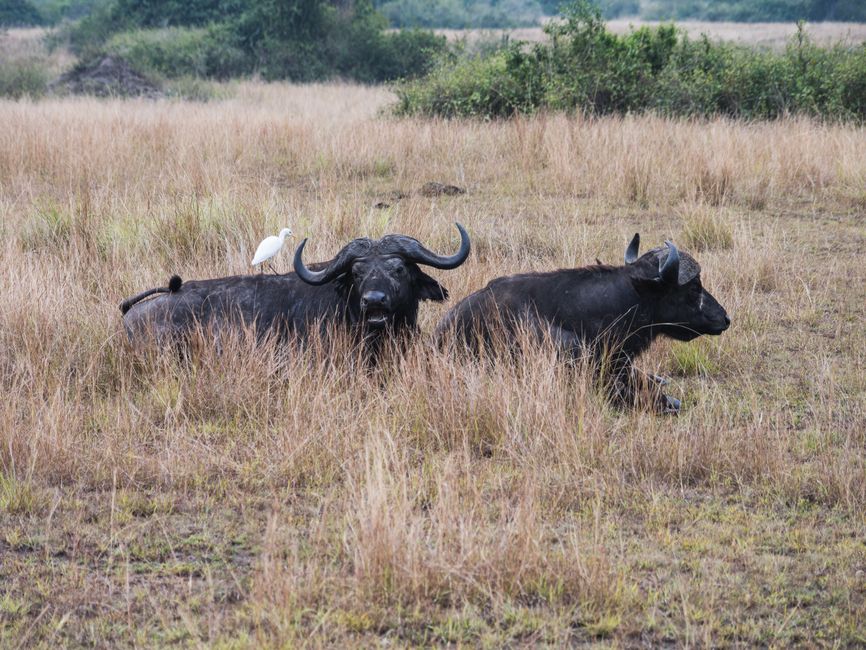
The common mistake is treating June as a guaranteed river-crossing month. It is not. The Great Migration follows rainfall and fresh grass, so the main wildebeest herds may still be moving through the Serengeti when your flight lands in Kenya. A June safari can still deliver excellent wildlife, green scenery, lower fees, and fewer vehicles than July or August, but you must book it for the right reason.
My clear verdict: choose June if you want strong general wildlife viewing and a realistic chance of seeing the first herds arrive. Choose late July through September if a dramatic Mara River crossing is the main purpose of the trip.
Does the Great Migration reach the Masai Mara in June?
June is a transition month, not a crossing guarantee
The annual route covers the Serengeti and the Masai Mara ecosystem, not one fixed park with a fixed calendar. In June, wildebeest and zebra may be gathering in northern Serengeti, moving toward the Sand River, or entering the Mara in smaller groups. Early June usually offers better odds for resident lions, cheetahs, elephants, giraffes, and large plains game than for mass crossings. Late June gives you a stronger chance of finding the first migrant groups, especially after good rainfall in Tanzania and Kenya.
The river-crossing scenes shown in travel brochures usually happen later, often from July into September. Even then, no guide can promise a crossing on a particular day. The herd may stand on the bank for hours, change direction, or cross at a quiet section outside your viewing area.
What June gives you instead
June has three practical strengths: fresh green grass, active resident predators, and less pressure at famous viewing points. The landscape can look more dramatic than the dry-season Mara, with dark skies, bright grass, and soft morning light. Rain can make some tracks muddy, but the roads are not automatically impassable. Kenya Wildlife Service describes April to June as a rainy period and advises that many park roads may require a four-wheel-drive vehicle; check its official weather guidance before booking.
If your priority is a crossing photograph, June is a gamble. If your priority is a quieter, green safari with excellent resident wildlife and a possible early migration sighting, June is a smart choice.
How to plan a June Masai Mara safari step by step
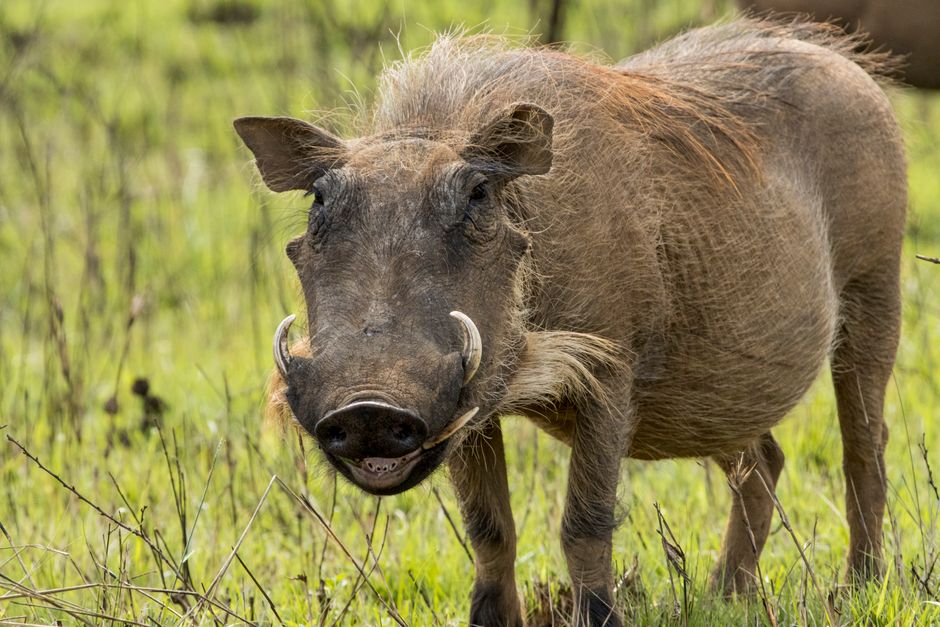
- Pick late June if the migration matters more than low-season pricing. The final two weeks offer better arrival odds than the first week, although weather can still shift the schedule.
- Book at least three nights in the Mara. Two nights can produce good sightings, but it gives the herd, weather, and your guide little time to work in your favor.
- Tell the operator your real goal in writing: resident predators, first migrant herds, a river crossing, photography, or a quiet camp. These goals require different locations.
- Ask for the exact area of accommodation. “Masai Mara” can mean the National Reserve, Mara Triangle, or a private conservancy, and driving rules, fees, and wildlife access differ.
Step 2: Pick road or air access
Road transfers from Nairobi usually take about five to seven hours, depending on the gate, traffic, and road conditions. They cost less than a scheduled flight and give you a gradual view of the Great Rift Valley, but they consume much of a safari day. A flight from Nairobi’s Wilson Airport can cut the transfer to roughly one hour, followed by a game drive from the airstrip. Choose air travel when you have only three or four nights and want more time in the reserve.
Step 3: Confirm what the price includes
Before paying a deposit, request a written breakdown covering accommodation, meals, game drives, vehicle type, driver-guide, transfers, park or conservancy fees, taxes, and drinks. A low headline rate often excludes entry fees or charges them separately per person per day. Ask about cancellation terms if poor roads, flight disruption, or a border delay affects the itinerary.
What should you pack and how should you structure each day?
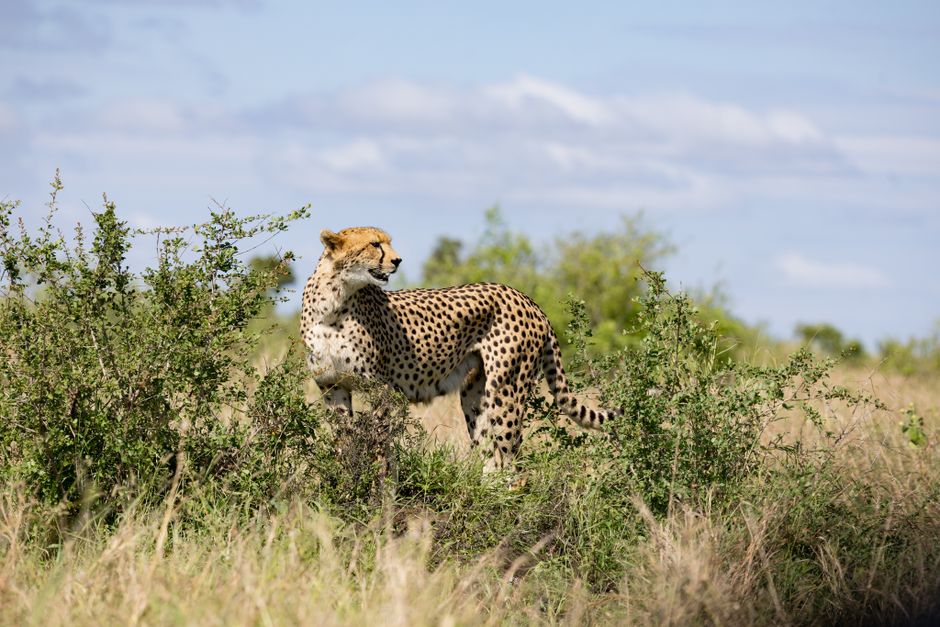
What clothing works in June?
Pack light layers rather than heavy cold-weather gear. Early drives can feel chilly, while midday temperatures rise quickly. Bring two long-sleeved shirts, two pairs of lightweight trousers, a fleece, a waterproof shell, a brimmed hat, sunglasses, sunscreen, insect repellent, and closed walking shoes. Neutral colours reduce glare and dust. Avoid bright white clothing if you plan to spend long hours in an open vehicle.
A small dry bag protects passports, batteries, and medication during a sudden shower. Bring a reusable water bottle and spare memory cards. Dust can damage cameras, so carry a soft cloth and keep lenses covered between sightings.
What does a useful safari day look like?
Start before sunrise, when predators are active and the air is cool. Return for breakfast if the camp lies close to the reserve; stay out with a packed meal if reaching a distant sector matters more. Use the middle of the day for lunch, charging batteries, and a short rest. Leave again in the late afternoon, when light improves and many animals become active.
Do not spend every drive chasing a rumour about the migration. Ask your guide to combine current herd reports with a broad wildlife plan. A June itinerary built around one unconfirmed crossing can turn a good safari into a long wait beside an empty riverbank.
Is June the right month for your Masai Mara safari?
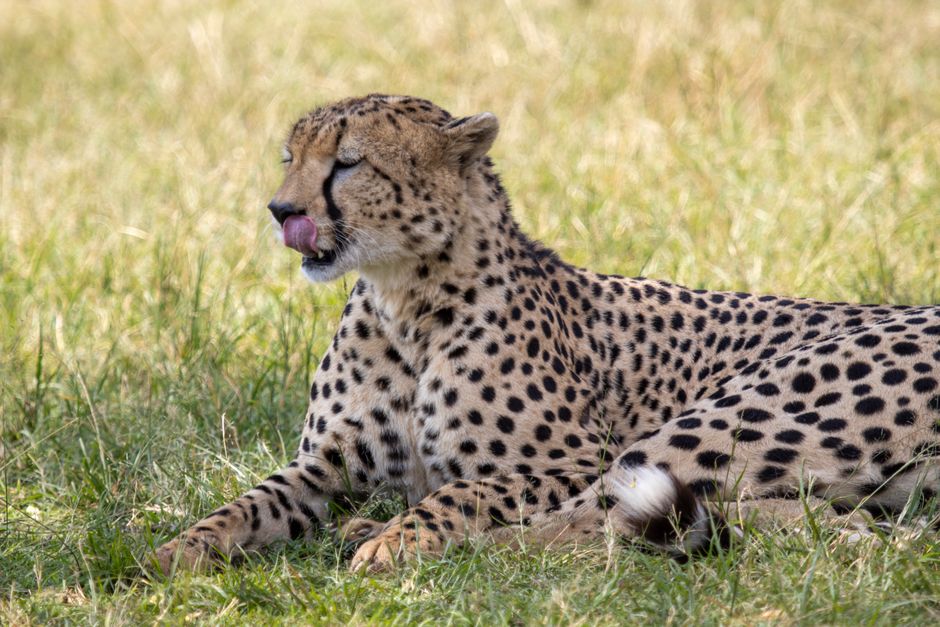
Should you go in June if you have only three nights?
Yes, if you accept that the migration may be a bonus rather than the main event. Stay in or near the sector you most want to explore, choose air access if the budget allows, and schedule at least two full-day drives. Three nights gives you a reasonable chance of strong wildlife viewing without paying the higher July-to-September entry rate.
Should you wait until July or August?
Wait if the trip would feel disappointing without seeing a large herd or river crossing. July and August improve the odds, but they also bring higher fees, higher accommodation prices, and more vehicles at famous crossing points. The crossing itself remains a natural event, not a scheduled performance.
When should you choose another Kenyan park?
Choose Amboseli if your priority is elephant photography with Mount Kilimanjaro as a backdrop. Choose Lake Nakuru if rhinos, flamingos, and a shorter itinerary matter more than migration. Choose Samburu for a different landscape and distinctive northern species. The Masai Mara is the right pick for open grassland, big cats, and a possible migration encounter; it is not the only place in Kenya with excellent wildlife.
Final recommendation: book a June Masai Mara safari for resident wildlife, green scenery, and better value, then treat an early migration arrival as the reward. Book July through September only when the herd itself is the non-negotiable goal.
| Your priority | Best choice | Why |
|---|---|---|
| Lower entry cost and quieter drives | Early or mid-June | Lower published reserve fee and fewer peak-season vehicles |
| Best June migration chance | Late June | More time for herds to move north, with no guarantee |
| Highest crossing odds | Late July to September | Typical peak window, but higher cost and crowding |
| Elephants and mountain views | Amboseli instead | Better match for that specific wildlife and landscape goal |

0