
Sapporo Snow Festival Prep for a January Hokkaido Trip
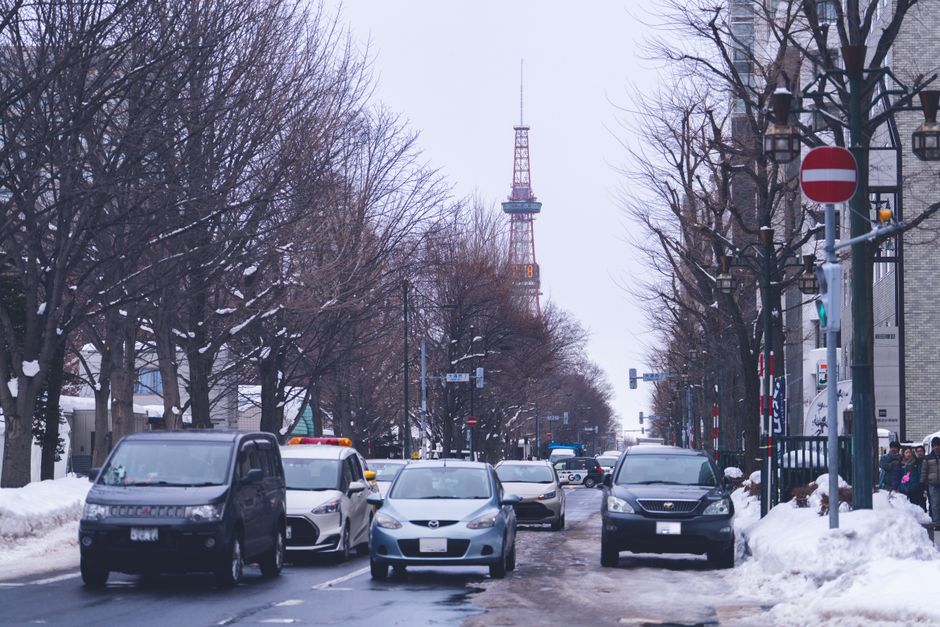
The first mistake is the date. January is not the Sapporo Snow Festival. The 2026 festival runs from February 4 to February 11, so a January trip gives you deep winter, frozen streets, Otaru snow scenes, and a city preparing for the crowds rather than the finished festival itself. That difference changes where you stay, what you pack, and how you plan each day.
Is January too early for the Sapporo Snow Festival?
January gives you winter without the festival crowds
January is not festival month, but it is still an excellent time to see Hokkaido in its most dramatic season. Sapporo usually sits below freezing, snow remains on the ground, and day-to-day travel feels quieter than during the eight-day festival period. You can visit Odori Park, walk the covered passageways between Sapporo Station and Susukino, and take a day trip to Otaru without building every decision around a huge event.
What changes if the festival is your main goal?
If the snow sculptures matter more than a general winter holiday, move the trip into the official festival window. The 2026 programme uses three main areas: Odori Park, Tsudome, and Susukino. Odori stretched roughly 1.1 kilometres through the city centre, while Tsudome focused on snow slides, snow rafting, food stalls, and family activities. The official 2026 festival notice is the right place to check dates and venue details before booking. A January visitor should not pay February peak-season prices expecting to see the completed display.
Which Hokkaido base works for your winter plan?
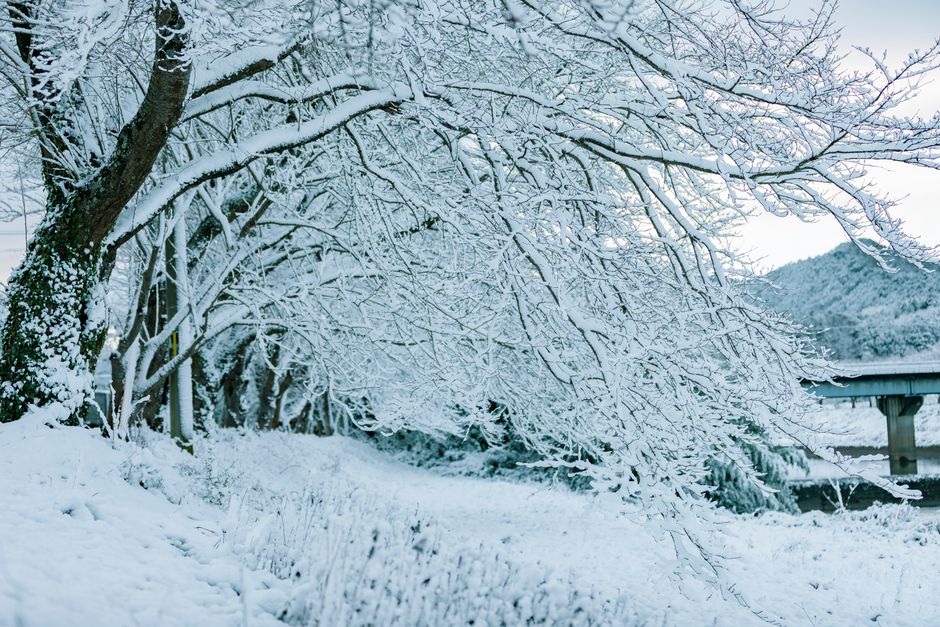
The best base is Sapporo for almost every first trip. It gives you heated underground walking routes, frequent trains, restaurants open late, and simpler access when snow disrupts road travel. Add rural stays only after you have allowed time for weather delays.
| Trip plan | Best for | Travel reality | Verdict |
|---|---|---|---|
| Sapporo only, 3 to 4 nights | First-time visitors and January city trips | Easy subway travel, short walks between indoor areas, flexible meals | Best choice for a low-stress winter visit |
| Sapporo plus Otaru, 4 to 5 nights | Architecture, seafood, canals, and snow photography | JR Sapporo to Otaru costs ¥800 one way and takes about 35 to 50 minutes, depending on the train | Best balance of variety and reliable transport |
| Sapporo plus Niseko, 6 to 7 nights | Skiers who want powder snow | Road and bus journeys take longer, and storms can affect transfers | Choose it only if skiing is the main reason for going |
Why Sapporo beats a rental car in January
The 37-minute Rapid Airport train from New Chitose Airport to Sapporo is faster and easier to budget than driving through a snowstorm. JR Hokkaido lists the adult one-way fare at ¥1,230 for a non-reserved seat. Check the current JR Hokkaido fare table before departure because services and prices can change.
How should you structure each January day?
January planning works best when you group outdoor time into short blocks and place a warm indoor stop between them. Do not build a sightseeing day around six hours outside. The cold, wind, and glare from snow will drain you faster than the map suggests.
A practical daily sequence
- Start indoors. Eat breakfast near Sapporo Station or use the underground walkway while your body warms up.
- Do the longest outdoor section before lunch. Visit Odori Park, the Sapporo Clock Tower, or the Hokkaido Government Office while visibility is usually better.
- Schedule a proper heat break. Allow 45 to 60 minutes for lunch, coffee, a department store, or a public bath. A quick convenience-store stop is not enough after a cold walk.
- Use one transport connection at a time. Snow makes station exits and road crossings slower. Add 15 minutes to every transfer.
- Save lights and photography for one evening. Susukino and Odori look beautiful after dark, but the temperature drops quickly. Finish with dinner close to your hotel.
The strongest January day trip
Make Otaru a full day rather than squeezing it between airport arrival and dinner. Walk the canal area, visit the old warehouse streets, eat seafood, then return to Sapporo before late-evening train crowds and worsening weather. If the forecast shows heavy snow, stay in Sapporo instead. Otaru is rewarding, but it is not worth risking a missed flight or a miserable return journey for one photograph.
What should you pack for Sapporo’s cold?
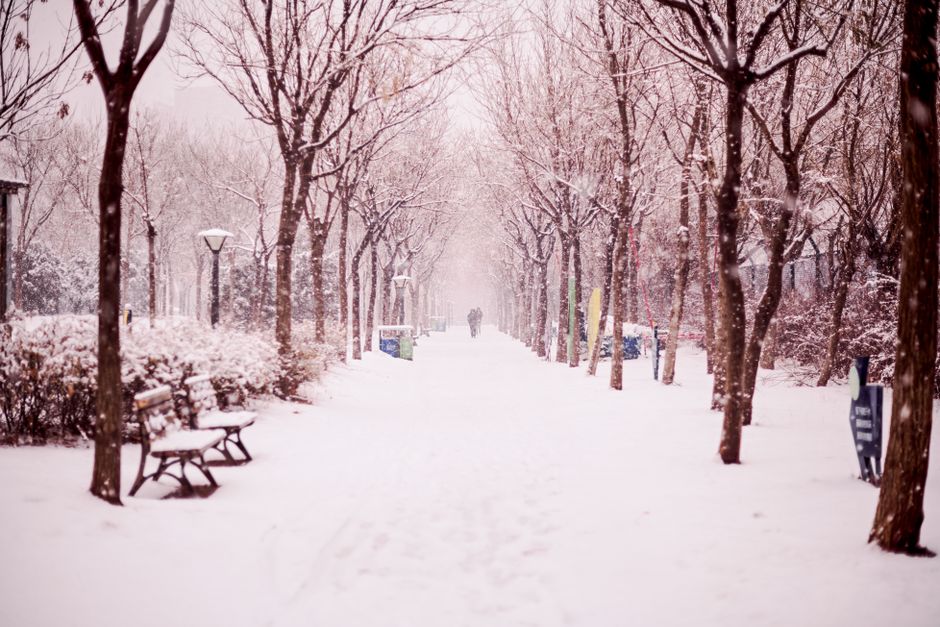
Use three thin layers instead of one giant sweater. The core problem is not simply low temperature. You move between freezing streets, heated trains, crowded restaurants, and warm hotel rooms. Layers let you adjust without sweating into your cold-weather clothing.
The basic clothing system
Wear a moisture-managing base layer, a fleece or light down mid-layer, and a wind-resistant outer layer. The UNIQLO Extra Warm HEATTECH Cotton Crew Neck T costs about ¥2,490 in Japan and works as an affordable base layer, but it should not replace a proper coat. For a compact mid-layer, the Montbell Superior Down Round Neck Jacket Men’s lists at about ¥14,080 and uses lightweight down that packs small. Add wool socks, a hat that covers your ears, insulated gloves, and a scarf or neck warmer.
When a city coat is not enough
It is warm and packable, making it a strong option for long outdoor evenings. It is not fully waterproof, though. Snow can melt into the fabric, so carry a shell or choose a water-resistant parka if you plan to spend hours at a festival venue.
Pack the items people forget
- Waterproof phone pouch or zip bag for snow and condensation.
- Spare socks in your day bag.
- Small towel for wet hems and melting snow.
- Lip balm and hand cream for dry indoor heat.
- Portable battery, since cold reduces phone battery life.
How do you walk safely on icy streets?
My strongest recommendation is to buy traction for your shoes before your first long walk. Good winter boots matter more than a fashionable coat because one fall can ruin the trip. Sapporo applies grit and de-icing material around busy stations, but shaded sidewalks, sloped streets, bridge crossings, and packed snow can remain dangerously slick.
Choose footwear for ice, not just snow
Look for waterproof uppers, insulation, ankle support, and soles with a deep rubber pattern. Regular sneakers fail because their flat foam soles become hard in the cold and provide little grip. Fashion boots with smooth leather soles fail even faster. A pair that feels slightly stiff indoors may be the safer choice outside.
Change the way you walk
Keep your knees relaxed, lower your centre of gravity, and take short steps with your feet nearly flat. Do not stride heel-first or rush across a shiny patch. Hold handrails on stairs, keep one hand free, and avoid staring at your phone while walking. The Sapporo tourism authority also recommends small sliding steps and notes that removable anti-slip spikes are sold at convenience stores. Buy them only if they fit securely; loose traction devices can catch on indoor flooring.
What do first-time visitors still get wrong?
Do I need a packed itinerary?
No. A four-night January trip needs one flexible day. Snow delays, closed viewpoints, and slow walking can turn a perfect timetable into a chain of missed reservations. Keep one major outdoor plan and one indoor backup for each day.
Should I stay near the festival grounds?
Stay near Odori or Sapporo Station if you want the easiest winter logistics. Susukino works better for nightlife and restaurants, but hotel prices can rise during festival dates. In January, the same areas usually give you better availability and more room to change plans.
How much money should I allow?
For a comfortable January city trip, plan roughly ¥12,000 to ¥20,000 per night for a mid-range double room, ¥3,000 to ¥5,000 per person each day for ordinary meals, and ¥1,000 to ¥2,000 daily for local transport. Add more for ski resorts, private transfers, seafood restaurants, and last-minute hotel changes.
| Priority | Best decision | Why |
|---|---|---|
| Simple winter sightseeing | Sapporo base with one Otaru day | Most reliable transport and the fewest weather risks |
| Snow sculpture viewing | Travel during the official festival dates | January shows winter conditions, not the finished festival |
| Powder skiing | Add Niseko and protect a spare transfer day | Snow quality improves, but travel becomes less predictable |




0