
A Slow Winter Weekend in Edinburgh After Hogmanay
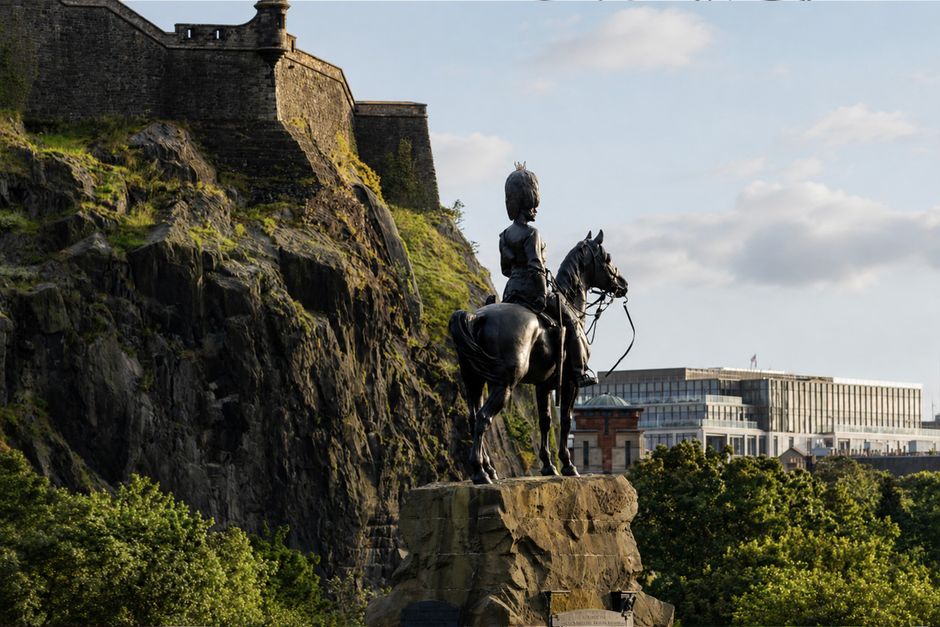
You arrive in Edinburgh just after the fireworks crowds have gone home. The pavements are quieter, hotel prices have eased, and the city still has its winter lights, smoky pubs, cold sea air, and dark stone closes. That is the appeal. A slow weekend here is not a cheaper version of Hogmanay. It is a different trip, built around short walks, long lunches, warm rooms, and fewer timed commitments.
What should a slow Edinburgh weekend cost?
My verdict: budget £350 to £650 per person for two nights, excluding long-distance travel. That range gives you room for one paid attraction, two proper dinners, casual lunches, and a comfortable central hotel. You can spend less, but the savings usually come from location or meal quality rather than clever booking.
| Item | Practical 2026 allowance | What changes the price |
|---|---|---|
| Glasgow to Edinburgh by ScotRail | £15–£35 return | Off-peak travel and advance purchase |
| London to Edinburgh by LNER | £60–£140 return | Booking date, train time, and flexibility |
| Market Street Hotel | £170–£260 per night | Weekend demand and room type |
| The Balmoral | £300–£500 per night | View, season, and cancellation terms |
| Meals and drinks | £45–£70 per person per day | Pub meals versus tasting menus |
| One major ticket | £20–£25 | Edinburgh Castle or another paid attraction |
The table uses planning allowances, not guaranteed quotes. Check the final rate before paying, especially for hotels with non-refundable terms. A £180 room that charges £25 for breakfast and £15 for late checkout may cost more than a £205 room with both included. The cheapest headline price is not always the lowest total.
Why January is better after the fireworks
What changes after Hogmanay?
The city loses its festival pressure almost overnight. Restaurants still need bookings on Friday and Saturday, but you are less likely to queue for every museum, viewpoint, or popular café. The low winter sun also changes the rhythm of the day. Plan outdoor walks between roughly 9am and 3pm, then move indoors before the damp cold becomes tiring.
What should you expect from the weather?
Expect wind, rain, slippery paving, and temperatures that feel lower than the forecast suggests. Snow is possible but not guaranteed. Daylight is limited, and wet weather can make a two-mile route feel like a full afternoon. The best plan has one outdoor anchor and one warm indoor fallback each day. That structure keeps the weekend relaxed without turning every hour into a weather decision.
The clear winner is the first or second weekend after Hogmanay for travellers who want atmosphere without festival crowds. Avoid treating January as a dead season. The city remains active; it simply rewards a slower pace.
How to build a two-day route without rushing
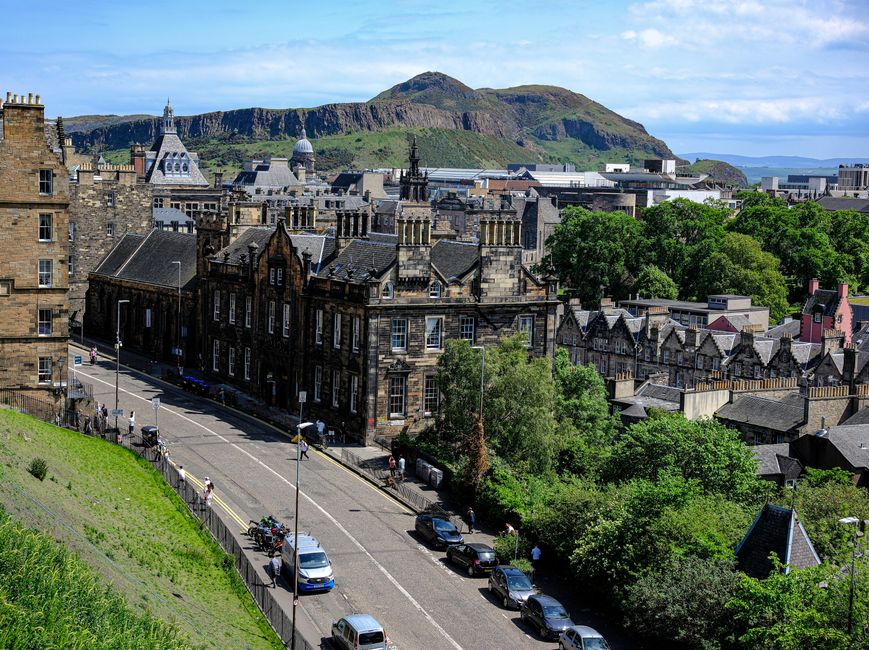
Choose one fixed attraction per day and leave the rest open. That single rule prevents the most common Edinburgh mistake: crossing the city repeatedly to collect sights from a checklist.
Day one: Old Town, history, and a long dinner
- Start with breakfast near the Old Town and walk the Royal Mile before the busiest period.
- Give two to three hours to Edinburgh Castle. Allow around £20–£23 for an adult ticket, with the exact amount depending on booking date and ticket type.
- Walk downhill through the closes rather than adding another major attraction. Stop for coffee somewhere with indoor seating.
- Book dinner within walking distance of your hotel. A £25–£40 main meal is more realistic than trying to find a last-minute bargain on a Saturday night.
Day two: one museum, then open air
- Use the National Museum of Scotland as your weather-proof morning plan. General admission is free, though special exhibitions may charge separately.
- After lunch, walk toward Dean Village or the Water of Leith if the paths are dry. If the weather turns, replace the walk with a gallery or a second café stop.
- Finish with a quiet drink rather than another ticketed event. The point is to leave Edinburgh feeling rested, not to prove that you covered every landmark.
Edinburgh Castle is the best paid attraction for a first visit because it concentrates history, views, and architecture in one booking. The National Museum is the best value choice. For a repeat visitor, the museum plus a long walk is the stronger itinerary.
Where to stay when the room matters more than the postcode
My pick is Market Street Hotel for most slow-weekend travellers. It puts Waverley Station, the Old Town, and the New Town within easy walking distance, so bad weather does not force you into repeated taxi fares. A sensible January allowance is £170–£260 per night, subject to the booking date and cancellation policy.
Best central options by travel style
- Market Street Hotel: best for rail arrivals and compact city access. Choose it when you want to step off the train and start walking.
- The Balmoral: best for a special weekend, but expect roughly £300–£500 per night in a standard planning budget. The premium buys service, history, and location, not a radically different Edinburgh.
- Virgin Hotels Edinburgh: best for dramatic design and a lively setting near Victoria Street. It makes more sense for travellers who plan to spend time in the hotel rather than only sleep there.
When not to pay for the centre
Do not buy a premium postcode if you plan to rent a car, stay mostly in Leith, or spend the weekend visiting places outside the city. A well-reviewed room near Haymarket can save £40–£100 per night. Compare the total cost after transport, breakfast, and late checkout fees. A cheap room that adds £12 each way in taxis is not a genuine bargain.
Which mistakes make a winter weekend feel harder?
Mistake one: assuming every attraction runs normally
January opening hours can change for maintenance, private events, or seasonal staffing. Check the official opening time two or three days before travel, then check again on the morning of the visit. Do not build a whole day around one place without a nearby backup. A museum, café, or covered market within ten minutes is enough.
Mistake two: booking a room without reading the terms
Winter rates often look attractive because the booking is non-refundable. That can hurt if a train is cancelled, illness changes your plans, or a storm disrupts the journey. Compare the flexible rate against the saving. Paying £22 more for cancellation until two days before arrival is often a better trade than losing £180.
Mistake three: packing for a calendar date instead of the street
Thin trainers, a decorative coat, and a small umbrella are a poor combination on wet cobbles. Wear shoes with grip, bring a waterproof outer layer, and carry gloves even if the forecast shows mild temperatures. The wind around Calton Hill and exposed bridges can make a short walk unpleasant.
The strongest practical rule is to protect the afternoon. Put the longest outdoor route before lunch, keep the late afternoon flexible, and book dinner close to where you finish. This removes the hidden cost of winter travel: spending money simply to escape a cold, wet walk across town.
What is the final verdict on going after Hogmanay?
Is it worth paying for a central hotel?
Yes, for a first visit or a two-night trip. The time saved on transport is worth more than the room discount outside the centre. Pick Market Street Hotel for value, The Balmoral for a milestone, and a Haymarket property when the room budget matters most.
Use a payment method you can clear in full. These costs can erase the savings from a discounted room.
The best slow winter weekend in Edinburgh has one paid highlight, one free cultural stop, a central base, and enough empty time for the city to surprise you. It is a strong choice for travellers who value atmosphere over volume. As winter city breaks become more focused on recovery rather than packed schedules, Edinburgh is well placed to lead that shift: fewer promises, better pacing, and more reasons to stay indoors until the light returns.


0