
Summer in Melbourne: Australian Open Week and Beyond
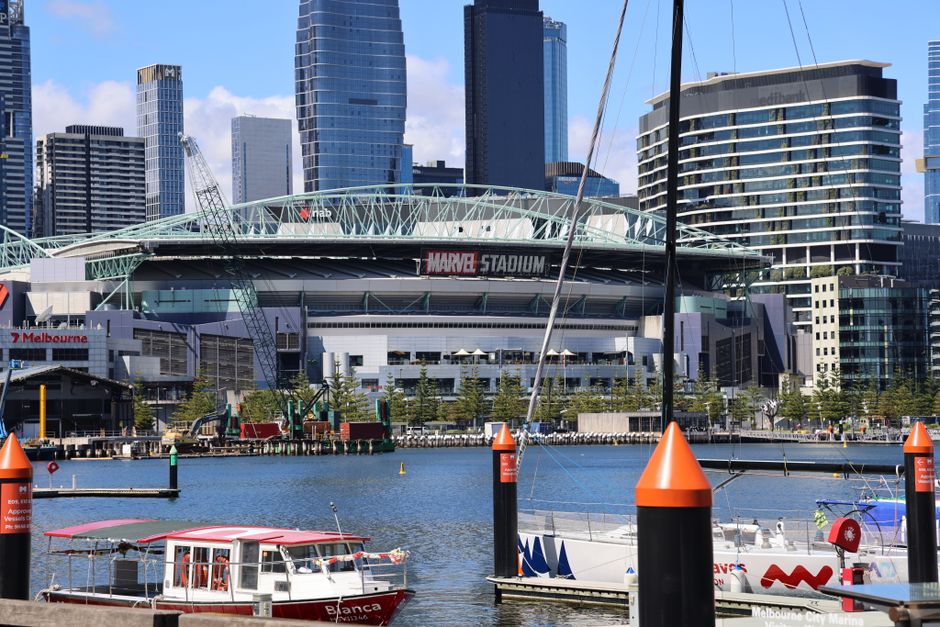
Are you planning a Melbourne trip around the Australian Open, only to realise that one tennis session does not fill an entire summer holiday? The fix is to build each day around heat, travel time and the event schedule. Melbourne can move from cool morning to blazing afternoon and back to a windy evening, so a good plan leaves room to change direction.
For the 2026 tournament, Australian Open Opening Week ran from 12 to 17 January, the main draw began on 18 January, and the finals finished on 1 February. Use the tennis as your anchor, then place galleries, markets, beaches and regional day trips around it.
How do you plan a Melbourne summer day without melting?
Start early, hide from the afternoon heat, and save outdoor walking for after 5pm. Melbourne’s summer weather can change quickly, but the bigger planning problem is solar exposure. A route that looks short on a map can feel exhausting when it crosses open plazas, bridges and tram stops with no shade.
Build the day in three temperature blocks
From 8am to 11am, schedule your longest outdoor activity. Walk from Flinders Street through Birrarung Marr to Melbourne Park, explore the Royal Botanic Gardens, or visit a market before the pavements heat up. Between 11am and 3pm, choose an indoor stop or a shaded lunch. The NGV International on St Kilda Road is open daily from 10am to 5pm, and the Ian Potter Centre at Federation Square gives you another central indoor option. After 5pm, return outside for the Yarra promenade, Southbank, Fitzroy gardens or a twilight walk through Carlton.
Pack for four different conditions
Carry a light long-sleeved shirt, a brimmed hat, sunglasses, a refillable water bottle and a thin layer for evening wind. Apply broad-spectrum sunscreen before leaving your accommodation and reapply during long outdoor sessions. At beaches, swim between the red and yellow flags; a calm-looking bay can still have dangerous water movement. Use the free BeachSafe app or website before choosing a swimming spot, especially if you are visiting St Kilda or Brighton for the first time.
Do not build a full-day walking route on the day of a major tennis session. Put one main attraction before the match, allow at least 45 minutes to reach the stadium entrance, and keep the evening simple. The best summer plan is the one that still works after a delayed train, a hot afternoon or a four-hour match.
Which Australian Open week is worth booking?
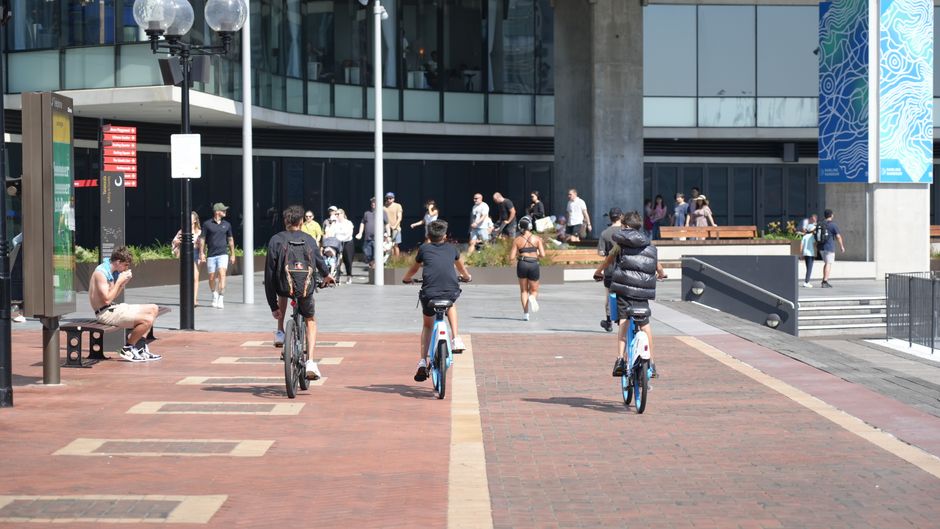
The best week depends on what you want to see, but my clear pick for first-time visitors is Opening Week or the first three days of the main draw. Opening Week gives you more space to explore the precinct, while the early main draw delivers top-ranked players without forcing every day into a finals-week timetable. The schedule can change, so check the official Australian Open match schedule close to each visit.
| Trip window | What you get | Best for | Planning verdict |
|---|---|---|---|
| 12–17 January 2026 | Qualifying, open practice, fan activities, music and family events | Families, casual fans and visitors seeking better value | Best all-round choice for a first Melbourne summer trip |
| 18–23 January 2026 | Early main-draw matches across Melbourne Park | Fans who want major players and a lively but manageable schedule | Best balance of tennis and city sightseeing |
| 24–28 January 2026 | Later rounds, tighter competition and larger crowds | Committed tennis fans | Book accommodation and transport early |
| 29 January–1 February 2026 | Semifinals, finals-week events and the strongest demand | Visitors focused almost entirely on the tournament | Choose this only if finals atmosphere matters more than budget |
Match the ticket to the rest of your trip
A night session works well after a morning gallery or market visit. A day session is easier if you want dinner in Fitzroy or Carlton afterward. Leave a spare half-day around any arena ticket because tennis sessions can run late or shift with weather.
Do not assume a ground pass means every seat and arena is available. Read the ticket conditions, check the entry gate and save the ticket to your phone before leaving your accommodation. Unauthorised resale can create an entry problem, so buy through the official ticket channel.
What should you do beyond Melbourne Park?
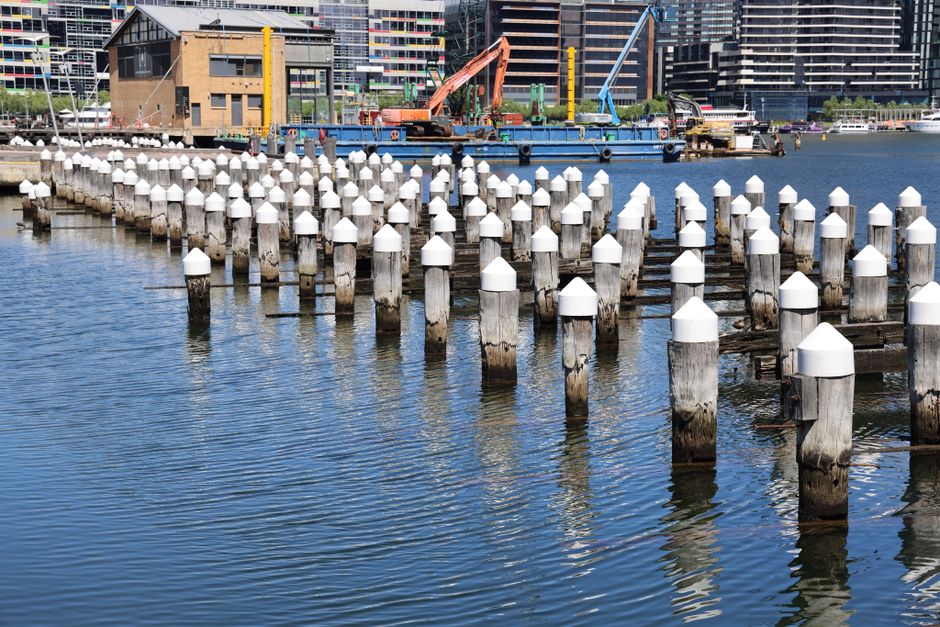
Is the CBD enough for a short visit?
Yes, if you use it well. Spend one morning around Flinders Street, Federation Square, the laneways and Queen Victoria Market, then move indoors during the hottest hours. The CBD works best for visitors who want food, architecture, museums and short tram hops without spending half a day in transit.
Where can you find a calmer afternoon?
Choose the Royal Botanic Gardens, Abbotsford Convent or the quiet sections of Carlton Gardens. These areas give you shade, open space and a slower pace after the noise of Melbourne Park. The gardens are better than adding another packed attraction on a hot tournament day because they let you sit down without losing the feeling that you are seeing the city.
What is the easiest beach option?
St Kilda is the simplest beach escape from central Melbourne. Walk the foreshore, visit the pier and return before evening transport becomes busy. Brighton is better for colourful bathing boxes and a longer coastal walk, but it needs more travel time. Neither beach should replace a weather check or a swim between lifeguard flags.
For culture, the NGV is the strongest hot-weather choice because entry to its main collection is free and both major galleries open daily from 10am to 5pm. Go early, eat nearby, then choose one outdoor neighbourhood rather than trying to cross the whole city in the afternoon.
Which summer day trip from Melbourne deserves your extra day?
Choose the Great Ocean Road only if you have a full day and accept a long, road-heavy schedule. It is the memorable choice for coastal scenery, but it is not the relaxing choice during a tennis-focused holiday. A rushed tour can mean several hours in a vehicle for short photo stops.
Pick the destination by travel time
For wine, food and a slower pace, the Yarra Valley is the best fit. Book one cellar-door region, add a proper lunch and avoid stacking five tastings into one day. For wildlife and dramatic coastal views, Phillip Island gives you a clearer evening focus, especially around the penguin viewing experience. Check return transport carefully because the final services are less frequent than city trams.
Know when not to leave Melbourne
Stay in the city if you have fewer than four full days, a night-session ticket, or a forecast above 35°C. The city already offers enough variety to fill a summer visit: galleries in the morning, shaded gardens at midday and neighbourhood dining after dark. A day trip is a poor trade when it causes you to miss a ticketed match or spend the next day recovering from heat and travel.
For a first visit, my order is clear: Melbourne city and Melbourne Park first, Yarra Valley second, Great Ocean Road third. The ranking reflects time, recovery and the amount of actual sightseeing you get rather than the number of landmarks on a tour brochure.
Which Melbourne summer plan should you choose?
The biggest mistakes are easy to avoid. Do not book accommodation only by nightly price and then discover that every trip to Melbourne Park takes an hour. Do not schedule a beach, a gallery and a night match with no buffer. Do not rely on a screenshot of an old timetable, and do not treat a cool morning as proof that the afternoon will stay cool.
Keep one flexible day. Use it for the attraction you missed, a weather-friendly neighbourhood or a second tennis session. That small gap protects the whole holiday when rain, heat or a late match changes the plan.
| If your priority is… | Choose this plan | Why it wins |
|---|---|---|
| Best first visit | Opening Week plus CBD, NGV and St Kilda | More flexible tennis access and time for the city |
| Serious tennis | Early main draw with one spare day | Strong matches without finals-week crowd pressure |
| Family travel | Opening Week, morning outings and shaded afternoons | More activities beyond the main arenas and easier pacing |
| Coast and scenery | Four or more nights with a Yarra Valley or Great Ocean Road day | Enough recovery time for a long excursion |
The compressed answer is simple: base yourself near a reliable tram or train line, attend the Australian Open early in the trip, keep afternoons flexible, and use the final days for the attraction or day trip that matches the weather. That gives you the energy of summer in Melbourne without turning every day into a race.




0